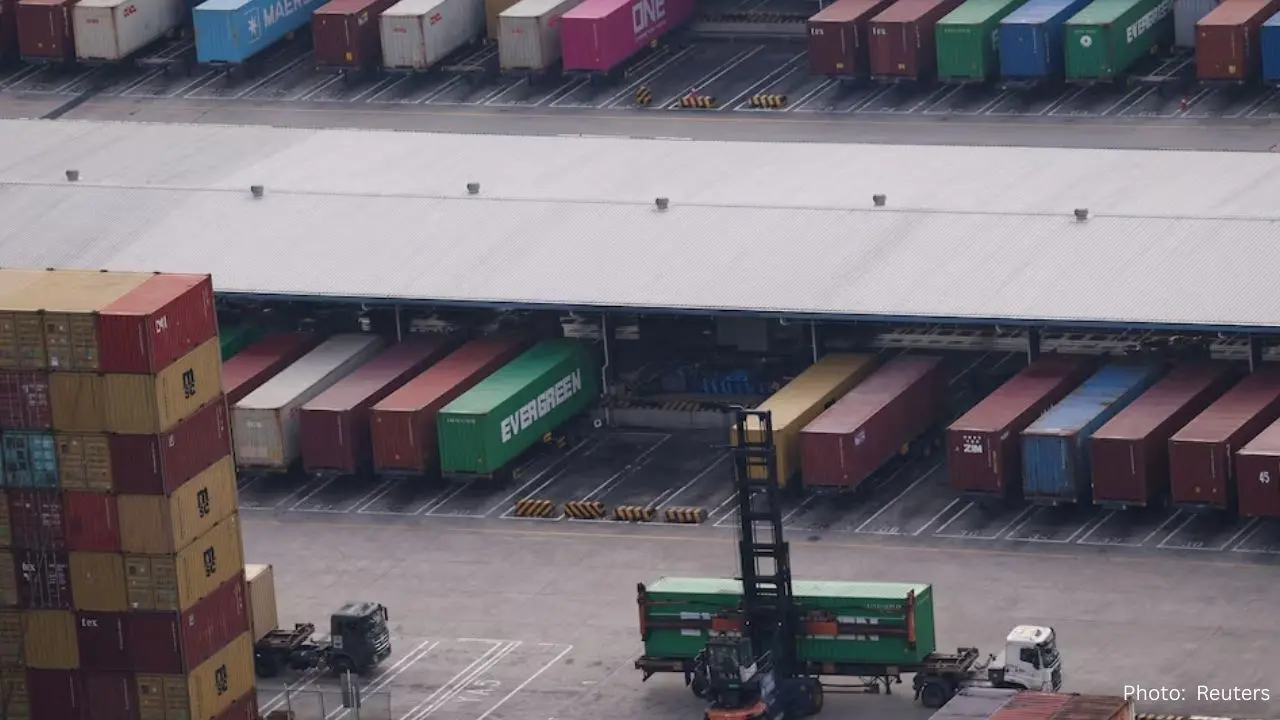
China concluded 2025 with an all-time high trade surplus of nearly 1.2 trillion dollars, as reported by official customs data. This achievement comes despite facing renewed tariff pressures from the United States under President Donald Trump. The remarkable trade figures illustrate China’s strategy to lessen its reliance on the U.S. market while enhancing its focus on various international markets.
The surplus was calculated at approximately 1.189 trillion dollars, comparable to the GDP of several significant nations. Exports maintained robust growth throughout the year, and imports also saw a quicker-than-expected rise towards year-end. Specifically, December's exports surged by 6.6 percent year-over-year, with imports up by 5.7 percent, both exceeding economists' forecasts.
A substantial portion of China’s trade success stemmed from increased exports to regions like Southeast Asia, Africa, Latin America, and Europe. Notably, exports to African nations rose over 25 percent, while shipments to Southeast Asia climbed by more than 13 percent. Conversely, exports to the United States plummeted by about 20 percent, demonstrating the direct impact of U.S. tariff policies.
Chinese officials credit the nation’s broader trading partnerships with bolstering its economic resilience. This diversification mitigated the adverse effects of trade tensions with Washington, as numerous Chinese firms expanded operations overseas, enabling them to sidestep higher tariffs and connect more easily with consumers.
Experts suggest that China’s robust export figures reflect its strong manufacturing capacity and advancements in technology. However, they also caution that weak domestic demand has compelled businesses to increase exports, sometimes at lower price points, raising alarms among other nations about potential impacts on their local industries.
The ongoing trade tensions pose significant risks. President Trump has reiterated threats of new tariffs, including potential penalties on nations collaborating with Iran, which could impact China once again. While some recent U.S. legal decisions might curtail new tariffs, uncertainty continues to loom large.
China has signaled its awareness of the dangers of over-reliance on exports by recently retracting tax incentives for solar panel exporters, viewed as a step to decrease tensions with trade partners. Nevertheless, analysts predict that China will continue to expand its global market footprint in 2026, particularly in sectors like electronics, machinery, and vital resources such as rare earth elements.
Ultimately, China’s record trade surplus underscores both its economic prowess and the growing challenges it faces. While exports bolster growth, increasing global apprehensions and geopolitical tensions could test the sustainability of this strategy.