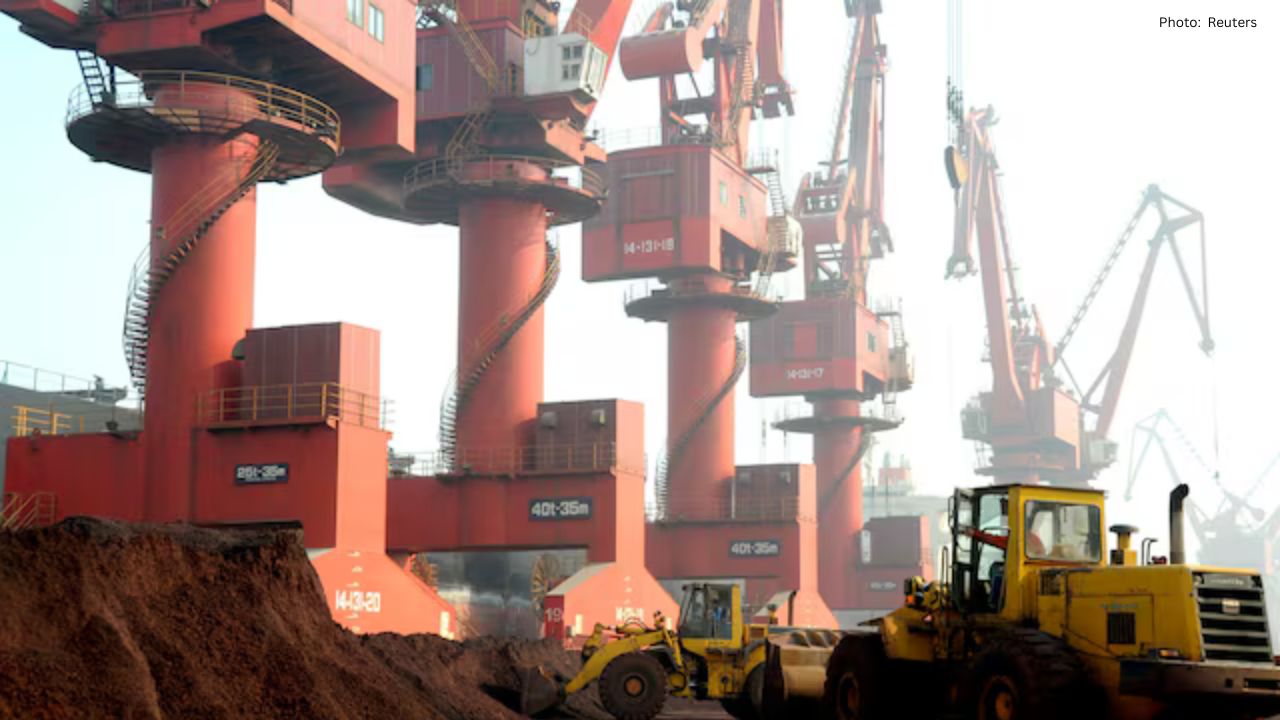
In a bid to streamline the export of rare earth materials, China has unveiled a new export permit known as a “general licence.” The Commerce Ministry announced that this initiative aims to enhance efficiency and minimize delays in delivering these crucial resources to international markets.
Rare earth elements play a vital role in various high-tech industries, including electric vehicles, smartphones, wind turbines, and defense systems. As the leading global producer, China holds a significant influence over the rare earth supply chain.
According to ministry reports, several exporters have successfully acquired these new general licences. Officials indicated that select Chinese companies have met the necessary criteria for approval, facilitating regular shipments and potentially smoothing export processes.
This announcement follows reports indicating that some licences may have been granted to companies associated with Europe. A spokesperson for the ministry confirmed the approvals in a media briefing in Hong Kong but did not specify the names of any European entities, leaving uncertainty around which nations or firms may benefit first.
Additionally, sources suggest that suppliers linked to U.S. car manufacturer Ford have already obtained these new licences, which could help alleviate concerns within the electric vehicle sector, given its reliance on a consistent supply of rare earth materials. Nonetheless, no European company has publicly corroborated such claims as of yet.
European Union officials are monitoring developments closely. The EU trade commissioner has acknowledged possible approvals for some European firms, yet details remain sparse. This situation underscores the attentiveness of governments and industries towards China's rare earth export policies.
Historically, China has used licensing and export controls as a means to manage rare earth shipments, often citing resource protection, legal trade assurance, and environmental compliance as reasons. However, shifts in policy can impact global markets, as numerous nations rely on Chinese supplies.
By introducing a more agile licence framework, China appears to be addressing international apprehensions about supply consistency while maintaining regulatory oversight over export volumes and recipients. This dual approach allows Beijing to bolster global industries while safeguarding its own strategic interests.
Manufacturers across the globe may find some relief from potential delays or shortages through this new license system. If effective, it could lessen uncertainty within crucial sectors such as clean energy, electronics, and electric vehicles.
As the worldwide demand for rare earths continues to rise, China's export strategies will remain under scrutiny. While this new licence system may signal a positive shift towards more efficient trade, its true impact will reveal itself over time.