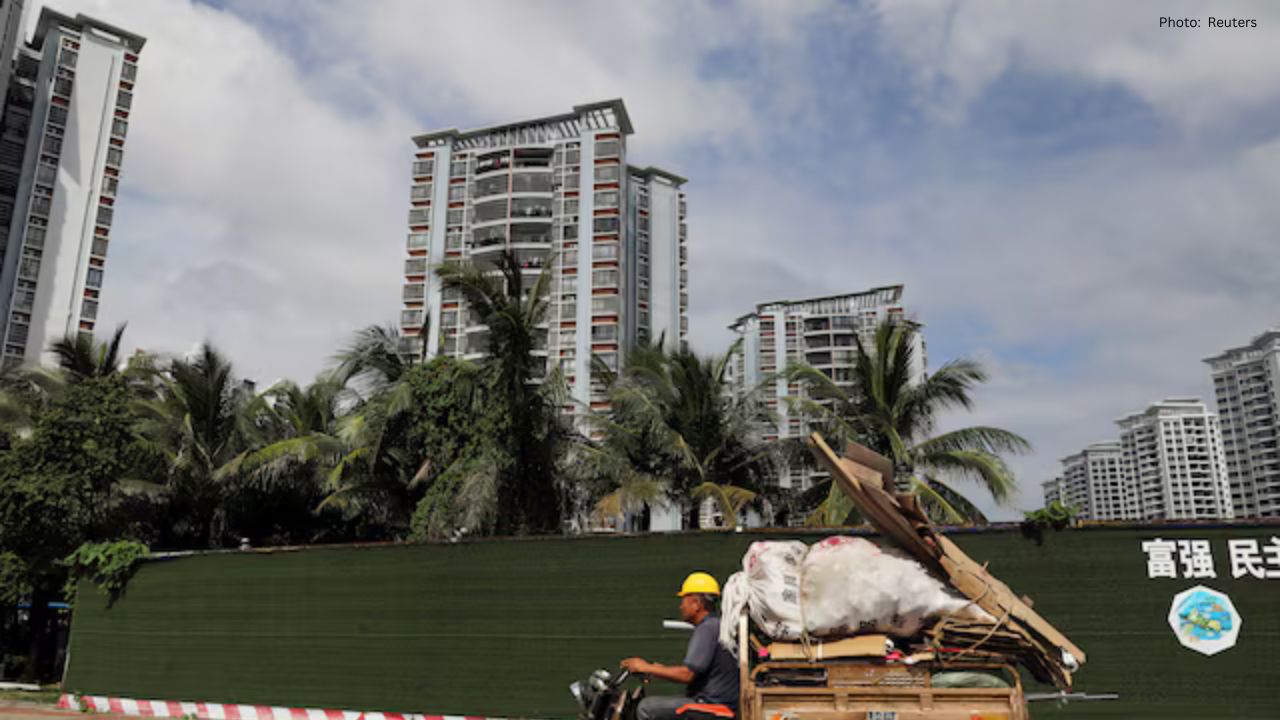
China has embarked on a significant economic initiative by establishing a large duty-free trade zone in its southern island province of Hainan. This action is part of Beijing's strategy to attract foreign investment, strengthen trade relations, and demonstrate its commitment to further economic liberalization.
Hainan, roughly the size of Belgium, now functions under unique customs regulations that differentiate it from the mainland. Products manufactured on the island, provided they have a local value of at least 30%, can enter the rest of China duty-free. This development is anticipated to reduce operational costs and entice global businesses to establish their presence there.
Chinese authorities envision Hainan evolving into a significant business and trade center, akin to Hong Kong. The new framework also permits foreign businesses to engage in service industries that remain limited in other Chinese regions, encompassing finance, tourism, healthcare, and professional services.
Vice Premier He Lifeng remarked that the Hainan Free Trade Port aims to become a critical entry point for China’s ongoing openness to global markets. He characterized this project as a long-term strategic choice made by the Communist Party, considering both domestic and international challenges.
The timing for this initiative is crucial, as China's economy faces pressure from global trade conflicts, particularly heightened tariffs from the United States. Such circumstances have prompted Chinese leaders to lessen reliance on a single market and boost China’s stature in international supply chains.
China is also aiming to enhance its potential for participation in the Comprehensive and Progressive Agreement for Trans-Pacific Partnership (CPTPP), one of the world’s largest trade accords involving countries from the Asia-Pacific region. By utilizing Hainan as a pilot project, Beijing aspires to demonstrate its capacity to meet the high standards expected by the group.
Meanwhile, China grapples with diminishing foreign investment, with official statistics indicating a drop of over 10% in foreign direct investments during the first three quarters of 2025. Leaders are eager to reverse this decline and transition the economy from heavy reliance on state stimulus to a more balanced approach that encourages consumer spending alongside long-term investments.
Experts believe that if successful, Hainan could greatly benefit. The island already plays a significant role in tourism and boasts a strategic proximity to Southeast Asia. Advocates contend it could emerge as a vital logistics and trading hub connecting China with neighboring regions.
Nevertheless, several challenges persist. Hainan’s economy, estimated at approximately $113 billion, is considerably smaller than that of Hong Kong. Furthermore, analysts highlight that Hainan lacks the established legal frameworks, financial transparency, and global credibility that have contributed to Hong Kong's prosperity. Competition with Southeast Asian nations and Japan may also pose growth hurdles.
Some trade diplomats express skepticism regarding the initiative, noting that CPTPP membership necessitates broader openings across the national economy and cannot be limited to a single area. Until China demonstrates comprehensive reforms nationwide, reservations about its readiness may linger.
Despite these concerns, Hainan symbolizes China’s ambitious endeavor to experiment with deeper market reforms within a controlled setting. If this initiative proves effective, it could influence future economic policies and move China closer to its objective of enhanced global trade integration.