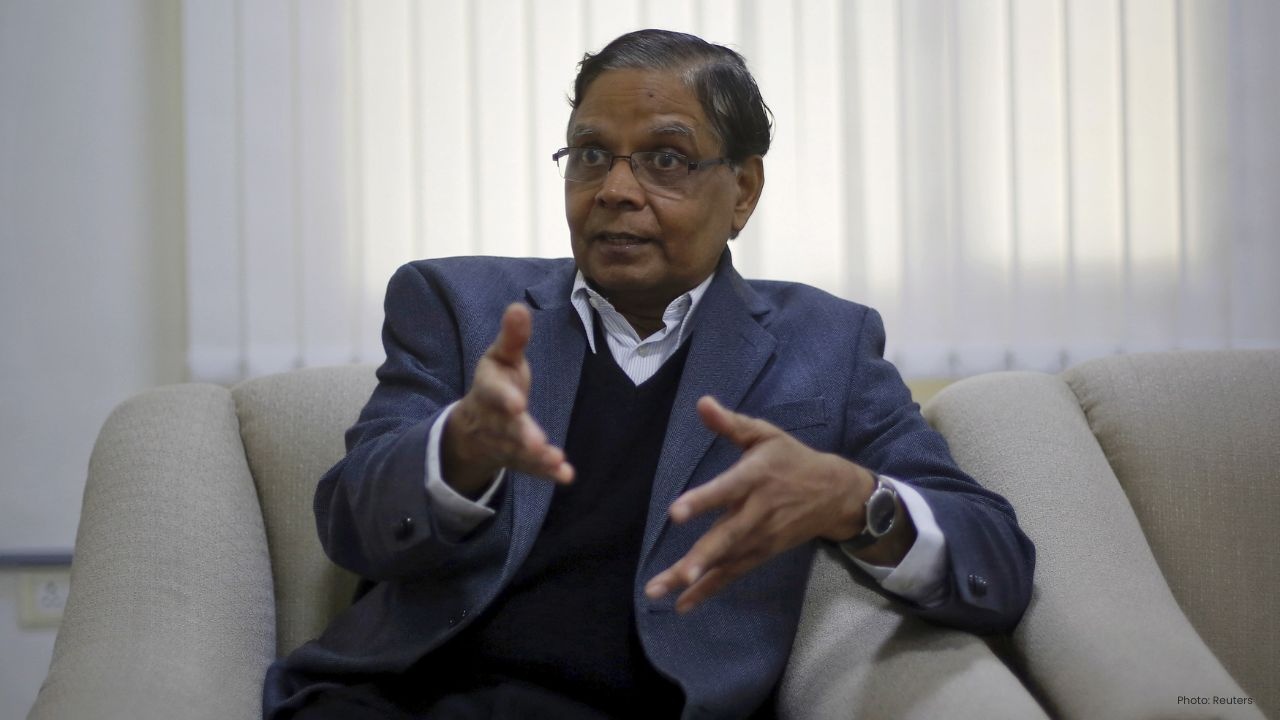
New Delhi: The 16th Finance Commission, headed by Dr. Arvind Panagariya, delivered its report for the 2026-31 period to President Droupadi Murmu on Monday, setting the stage for India’s fiscal policies over the next five years. This pivotal report will be presented in Parliament before its official unveiling and outlines how central funds will be distributed to states from 2026-2027 through 2030-31.
The Commission addresses several essential topics, including the distribution of net proceeds from central taxes to states, grants-in-aid, financing frameworks for disaster management, and fiscal stability strategies across the nation.
Main Recommendations and State Expectations
Although the specifics of the recommendations have yet to be disclosed, state governments have made their expectations known. A majority of states are advocating for an increase in tax devolution from the 41% stipulated by the previous 15th Finance Commission to as high as 50%. They stress the urgent need for additional funding to alleviate poverty, enhance infrastructure, and fortify local economies.
States with robust economies, including Tamil Nadu, Maharashtra, Karnataka, Telangana, and Gujarat, have pointed out their significant contributions to the national revenue. They are calling for a recalibration of the fiscal formula to better align GDP contributions with their developmental requirements. For example, Tamil Nadu has requested a 15% weightage for GDP while advocating for a reduction in the “income distance” metric currently benefiting poorer states. Maharashtra has suggested a decrease to 37.5%.
On the other hand, hilly and border states such as Himachal Pradesh, Uttarakhand, Jammu and Kashmir, and the northeastern regions are emphasizing the heightened cost of governance in challenging terrains and their vulnerability to frequent natural calamities. They are requesting more fiscal flexibility and support tailored to disaster-prone areas.
Preparedness for Disasters and Borrowing Capabilities
The persistent threat of floods, cyclones, and other climate-induced events has highlighted the fiscal challenges faced by various states. Present regulations permit borrowing up to 3% of a state’s gross domestic product (GSDP), with an additional 0.5% allowance for states that meet reform benchmarks. Several states contend that these caps restrict their ability to rebuild infrastructure and adapt to climate risks, calling for a more resilient fiscal approach in the forthcoming recommendations.
Equilibrium Between Development and Contributions
A significant discussion among states revolves around achieving a balance between fiscal contribution and the need for support. Developed states are pushing for a fairer allocation that reflects their tax contributions, while less prosperous states depend on assistance to overcome historical and geographical disadvantages. The 16th Finance Commission is tasked with navigating this complex landscape to foster equitable growth and maintain fiscal responsibility.
As the report awaits its public unveiling, it is anticipated to offer a detailed framework for central-state fiscal relations, disaster funding, and balanced development across India's varied regions.