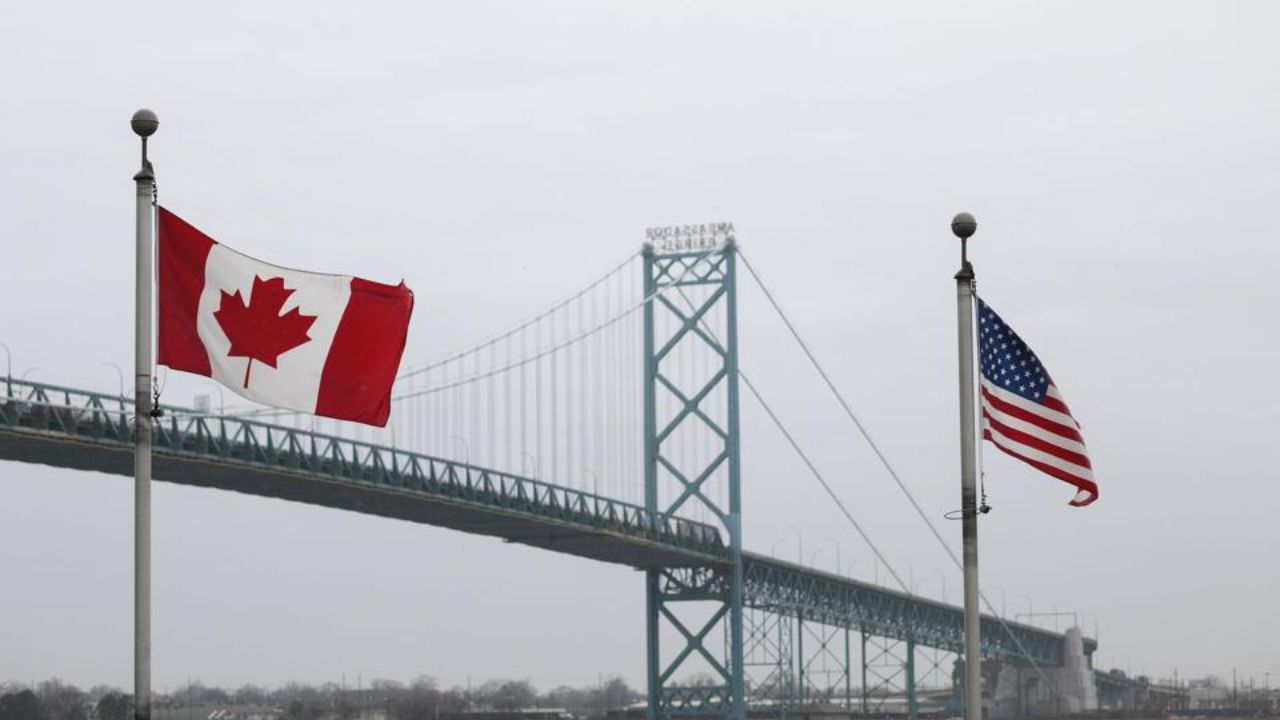
Photo: Forbes / Joseph Thorndike
Chaos Beyond Tariffs: Canadian Businesses Struggle With U.S. Trade Rules
A New Kind of Trade Struggle
For many Canadian companies, doing business with the United States has always been important. The U.S. is Canada’s biggest trading partner, and agreements like NAFTA, and now CUSMA (Canada-U.S.-Mexico Agreement), were supposed to make cross-border trade smoother.
But today, Canadian exporters say the biggest problem is no longer just tariffs. Instead, it’s the confusion, red tape, and messy rules around compliance that are slowing down trade and making it expensive.
Ottawa’s Position vs. Reality
The Canadian government insists that Canada has one of the best deals with the United States. Leaders say 85% of Canadian goods going to the U.S. are not supposed to face tariffs. On paper, that sounds like a victory.
But many Canadian exporters feel the reality is different. They say shipments are being hit with surprise costs, unpredictable tariff codes, and delays.
A Small Business Hit Hard
One example is Patrick Fulop, who owns a Quebec company called Grappling Smarty. His business makes grappling dummies—training tools shaped like humans so MMA fighters can practice moves safely. About 75% of his customers are in the U.S.
Fulop carefully followed the process to make his products CUSMA-compliant. He thought this would protect his business from tariffs. But when he started shipping, the surprises began.
Tariffs That Make No Sense
When Fulop checked his invoices, he saw shocking differences. For the same $250 grappling dummy, one invoice charged $66 in tariffs, while another charged $555. That means he was paying between 100% to 200% extra on his product.
“It makes no sense,” Fulop said. “There’s no way Canadian businesses can survive if things continue like this.”
Shipping Companies Add to the Confusion
Fulop ships his products through UPS, which also acts as a customs broker. UPS told him they were “working on the problem,” but their website explains that duties are assessed depending on multiple factors. That leaves a lot of room for confusion.
Some trade experts believe shipping companies often charge the maximum possible tariff to avoid risks, leaving exporters to fight later for refunds.
Experts: Bureaucracy Is Out of Control
Scott Lincicome, a trade expert in Washington, explained how the system has grown confusing. He said it used to be clear which tariff applied to each product. Today, exporters face multiple overlapping rules—reciprocal tariff rates, Section 232 tariffs, country-specific rates, and more.
This means a single product might be hit by several different tariffs at once. “It’s layer upon layer of bureaucracy,” he said, “and it keeps changing.”
The Legal Risks of Getting It Wrong
Canadian trade lawyer Mark Warner added another concern. He said not every company that claims to be CUSMA-compliant actually qualifies. If a shipment is found non-compliant, there are tough financial penalties and even criminal charges for fraud.
Because of this, many logistics firms don’t want to take any risks. They prefer to charge high tariffs rather than risk being blamed for undercharging.
Business Owners Forced to Adjust
Back in Quebec, Fulop is struggling to adapt. For now, he is covering tariff costs for existing orders. But to stay afloat, he has doubled his prices for future customers. He is also working to grow his sales within Canada and find new buyers in other countries.
Still, he feels frustrated and betrayed. “CUSMA was supposed to protect us,” he said. “But it feels like all the hard work we did to follow the rules doesn’t matter.”
The Bigger Picture
Fulop’s story is not unique. Many Canadian businesses are stuck in the same situation—caught between promises of free trade and the reality of confusing rules.
While government leaders celebrate trade exemptions on paper, companies on the ground say the daily costs of confusion, red tape, and misapplied tariffs are choking their ability to compete.
Conclusion
Trade agreements are supposed to make business easier. But for many Canadian exporters, the CUSMA deal feels like a maze filled with unpredictable costs.
Until there is more clarity and fairness in how tariffs are applied, small businesses like Fulop’s will continue to struggle—forced to raise prices, lose customers, or leave the U.S. market altogether.