Photo:reuters
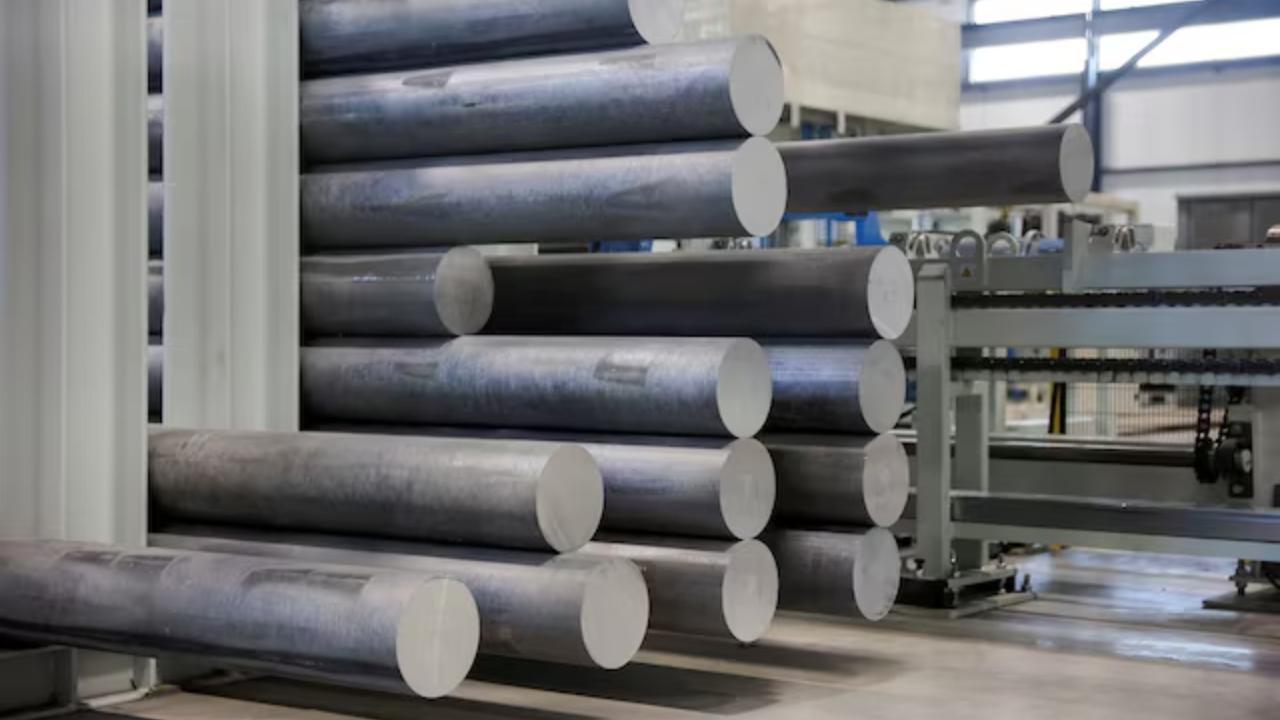
In a rapidly escalating trade standoff, Canada is weighing direct financial support for its aluminum producers in response to the United States' recent decision to impose a steep 50% tariff on aluminum imports. The move marks a significant development in North American trade dynamics, drawing attention to the vital economic role that aluminum plays in Canadian industry and the ripple effects U.S. protectionist measures could have on regional supply chains, employment, and investment.
The U.S. administration’s tariff decision—announced in early June and set to be reviewed in mid-July—has sent shockwaves through Canada’s resource and manufacturing sectors. Canadian aluminum accounts for more than 80% of America’s imported aluminum, forming the backbone of U.S. supply for everything from automotive to aerospace to food packaging. The tariffs not only threaten export revenues but also raise alarm bells about long-term investment in Canada’s highly integrated metal sector.
Ottawa, while still pursuing a diplomatic solution, is preparing for the possibility that these tariffs will remain in place beyond July. In this scenario, the federal government is exploring a range of financial assistance measures. Though not yet finalized, options on the table include interest-free or low-interest loans, production subsidies, investment credits, and even export guarantees. These mechanisms are intended to shield producers from sudden market losses, prevent layoffs, and maintain production levels in key facilities—especially in Quebec, which is home to the majority of the country’s aluminum capacity.
Prime Minister Mark Carney’s government has already engaged in discussions with major aluminum firms and provincial governments, particularly Quebec and British Columbia. These talks, held in the context of broader economic recovery and trade policy reevaluation, underscore the seriousness with which Ottawa is approaching the situation. Industry leaders, such as the Aluminum Association of Canada, have expressed support for a proactive approach, noting that while producers remain solvent in the short term, sustained tariffs could erode profits, delay modernization efforts, and even force some operations to scale back or relocate.
From a political standpoint, the proposed aid package also reflects the federal government’s strategic interest in preserving a critical sector of the economy. The aluminum industry in Canada supports more than 10,000 direct jobs and tens of thousands more indirectly. These are concentrated in regions where industrial employment plays a pivotal role in local economies and electoral outcomes. Providing timely support could also be seen as a way for the new Carney administration to deliver on promises of economic resilience and fair trade protections.
The 50% tariff imposed by the U.S. is seen by Canadian officials as disproportionate and politically motivated, designed in part to appeal to domestic constituencies concerned about manufacturing decline. In Canada, however, the measure is viewed as a breach of the spirit—if not the letter—of the USMCA (United States-Mexico-Canada Agreement), the trilateral trade pact that replaced NAFTA. Ottawa is urging Washington to revisit the tariff under USMCA dispute resolution mechanisms and to consider the broader consequences for both nations' industrial and employment landscapes.
Meanwhile, business confidence in the metals sector remains under pressure. Investment in plant upgrades, new technologies, and emissions-reduction initiatives may stall unless stability is restored. Canadian producers also face competition from global aluminum suppliers in Asia and the Middle East, which benefit from state subsidies and lax regulatory environments. Any loss of market share in the U.S. could be extremely difficult to recover, prompting the government’s urgency in both preparing aid and seeking a negotiated resolution.
On the ground in aluminum-producing communities, the impact of the tariff is already being felt. In Saguenay, Quebec—often referred to as Canada's "Aluminum Valley"—local officials report growing concern among workers and suppliers. Some firms have begun re-evaluating hiring plans, while others are postponing capital investment projects until the policy landscape becomes clearer. Community leaders have welcomed Ottawa’s willingness to consider financial assistance, but many also emphasize that a stable, rules-based trading environment is the ultimate goal.
Environmental advocates, meanwhile, are watching closely. Any public financial support for the aluminum industry is likely to raise questions about how the funds are used—especially in the context of Canada’s emissions targets and climate transition plans. There are calls from civil society and green organizations for any aid to be contingent on sustainability benchmarks, such as investments in low-carbon smelting technologies or renewable energy sourcing.
These concerns highlight the multifaceted nature of the aluminum aid debate. It is not merely an economic or trade issue, but a complex policy challenge that touches on environmental strategy, regional equity, labor rights, and international diplomacy. For the Carney government, threading the needle between these priorities will require a mix of financial prudence, strategic foresight, and political courage.
Moreover, the trade dispute is not occurring in isolation. It coincides with other signs of volatility in the Canada-U.S. trade relationship. While a recent deal over the digital services tax helped reduce tensions in one area, the aluminum issue has emerged as a new flashpoint. Some analysts warn that if retaliatory measures escalate, the risk of a broader trade war could rise—impacting not only aluminum and steel but also automotive parts, agricultural goods, and even clean-tech equipment.
In response, Ottawa has quietly prepared a list of possible countermeasures, including tariffs on U.S. products and targeted import restrictions. While the government has emphasized its preference for dialogue and de-escalation, officials say Canada will defend its industries “by all available means” if pushed. The goal, according to insiders, is to avoid confrontation but to demonstrate resolve and capability in the face of economic aggression.
Internationally, Canada's position has drawn support from several allies, particularly those within the G7 and OECD who see value in resisting unilateral trade actions that disrupt global supply chains. Some nations have expressed interest in working with Canada to create diversified aluminum supply routes and in sharing best practices on industrial support mechanisms. This international solidarity could strengthen Canada’s negotiating hand and offer alternative markets if access to the U.S. remains impaired.
One area of particular concern is the long-term impact on innovation in Canada’s aluminum sector. Many of the nation’s leading producers have been investing in next-generation technologies, including inert anode smelting—a process that dramatically reduces greenhouse gas emissions from aluminum production. These innovations are capital-intensive and require long-term market security to thrive. If U.S. tariffs persist and market access diminishes, the incentives for such innovation may weaken, delaying Canada’s green transition goals and eroding its competitive edge.
As mid-July approaches, the pressure is building on all sides. Canadian aluminum producers must navigate an uncertain pricing environment. The federal government must decide how aggressively to act, both in terms of aid and diplomacy. American importers face rising costs and supply chain confusion. Workers worry about job security. And international observers are watching for signs of broader instability in North American trade relations.
Ultimately, the challenge for Canada is to protect its industrial core without sacrificing its commitment to open markets and international cooperation. By preparing a flexible aid framework while also pursuing trade resolution through diplomatic and legal channels, Ottawa hopes to preserve its leverage and its values. The question is whether that balance can be maintained in the face of intensifying pressure.
If the U.S. relents and lifts the tariffs, the need for financial assistance may evaporate. But if not, Canada appears poised to act—both to protect a vital industry and to signal that it will not allow its economic interests to be undermined without a firm and measured response.
What happens in the next few weeks may shape not only the future of Canadian aluminum but also the broader trajectory of Canada’s industrial strategy, its climate goals, and its evolving relationship with its largest trading partner.