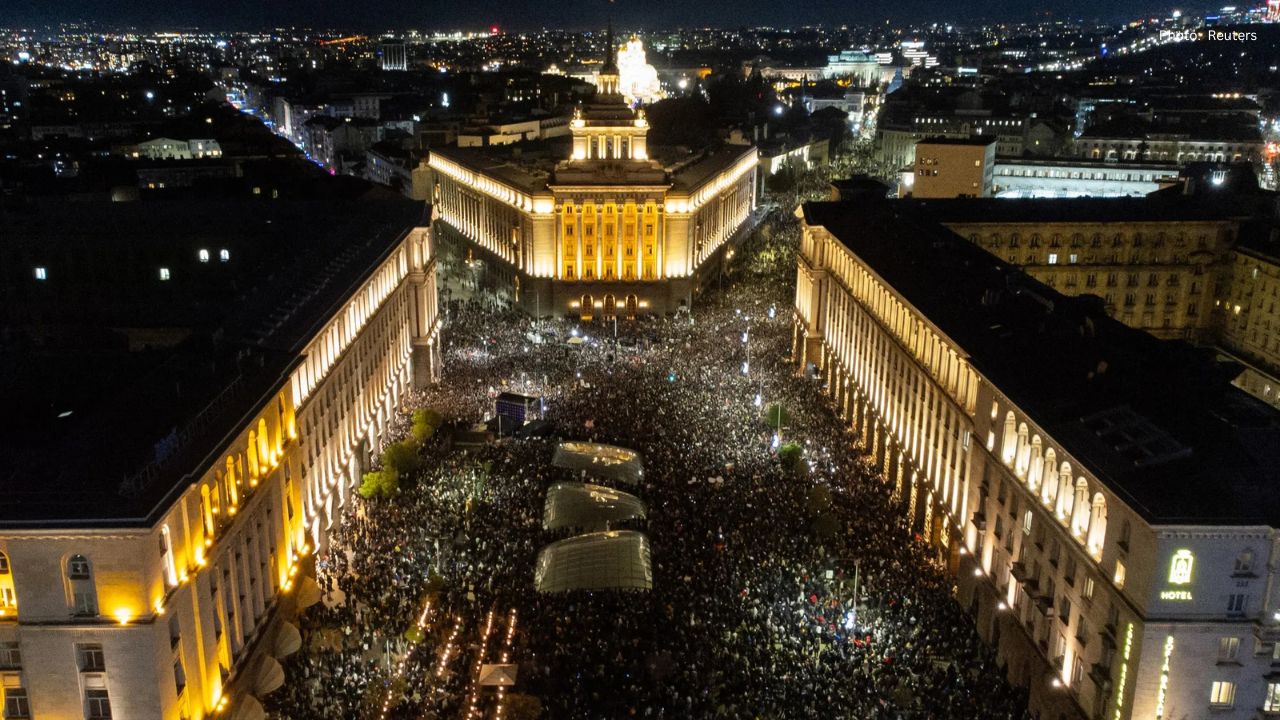
Bulgaria finds itself in a state of upheaval as Prime Minister Rosen Zhelyazkov stepped down on Thursday amidst widespread street demonstrations. His resignation came just before a scheduled no-confidence vote that could have ended his administration.
The decision unfolds at a critical moment with Bulgaria poised to join the eurozone on January 1. The country now faces steep public discontent, ongoing leadership challenges, and heightened demands for a new government.
A Shift Driven by Public Discontent
In a televised address, Zhelyazkov stated that the ruling coalition deemed it necessary to act responsibly in light of the unfolding situation.
“We aim to meet society's expectations,” he expressed. “Authority derives from the people's voice.”
This resignation had been anticipated by many Bulgarians, particularly after massive protests Wednesday night in Sofia and other cities where demonstrators called for improved economic strategies, more robust anti-corruption measures, and transparent governance. These rallies were part of a larger wave of unrest affecting the nation.
The Budget Proposal Sparking Outrage
The protests intensified in reaction to the government's proposed 2026 budget, the first to reflect Bulgaria's euro transition. It included increased social security contributions and higher dividend taxes. Officials cited these changes as essential for bolstering state expenditure.
However, many citizens deemed this budget inequitable and overly burdensome for those already grappling with rising living expenses. Opposition factions and civil organizations criticized the administration for being out of touch with everyday challenges.
Although the government attempted to alleviate tensions by retracting the budget last week, protests persisted, indicating deeper-seated anger towards corruption and ineffective governance.
Bulgaria's Political Instability Continues
In the past four years, Bulgaria has held seven national elections. The most recent one, held in October 2024, failed to produce cohesive political leadership, leaving the country in disarray.
President Rumen Radev, a critic of the government, has echoed calls for Zhelyazkov’s resignation. Earlier this week, he stated that leaders must choose “between listening to the people or succumbing to mafia pressures,” urging responsiveness to public sentiment.
As per Bulgaria's constitution, the president will now reach out to parliamentary parties for attempts to form a new administration. If this proves unsuccessful—as many analysts predict—he will appoint an interim government until fresh elections occur.
Impending Uncertainty as Euro Zone Entry Approaches
This crisis could not have come at a more critical time, with Bulgaria on the cusp of adopting the euro, a transition that demands unwavering political stability. Instead, the country faces internal strife and the specter of additional elections.
Citizens are hopeful that the forthcoming leadership—whether temporary or elected—will finally address issues of corruption, enhance economic circumstances, and restore public trust in governance.
Bulgaria stands at a pivotal point, and the decisions made in the coming days will influence both its political landscape and its economic trajectory in Europe.