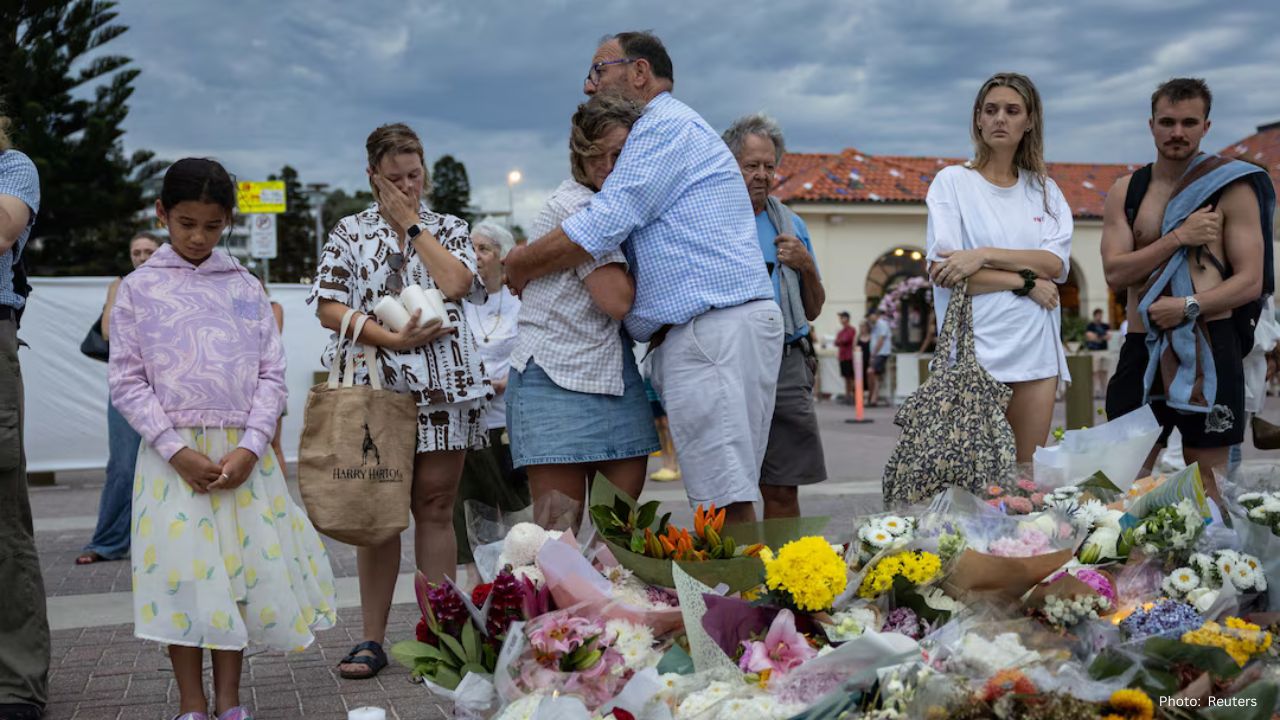
The tragic shooting at Bondi Beach, Sydney, has sent shockwaves across Australia, prompting quick action from leaders. In light of the incident, the New South Wales parliament, the most populous state, has been convened to discuss stricter gun control laws alongside new public safety initiatives.
On December 14, fifteen people lost their lives while many others sustained injuries during a Jewish Hanukkah celebration at Bondi Beach. The attack has plunged the nation into mourning and raised substantial concerns about the existing gun laws and the management of extremist threats.
In an emergency two-day parliamentary session, the New South Wales lawmakers are debating legislation that would restrict the number of firearms an individual may possess. Most citizens would be permitted to own only four firearms, whereas certain groups, like farmers, could be authorized to have up to ten.
Despite having some of the most rigorous gun laws globally, authorities assert that the Bondi incident has unveiled significant loopholes. Currently, in New South Wales, there is no definitive limitation on firearm ownership if an individual can justify their needs to the police. Reports indicate that more than 70 individuals in the state possess over 100 firearms, with one person owning nearly 300, alarming both lawmakers and the public.
One suspected assailant, Sajid Akram, was killed by police and had six firearms in his possession. His son, Naveed Akram, faces numerous charges, including murder and terrorism. Authorities stated that both had been planning the attack for several months and had attempted to construct homemade explosives, which unfortunately did not detonate.
Authorities have uncovered troubling evidence on the suspects' mobile devices, including a video of them training with firearms while discussing extremist imagery. These revelations have amplified calls for more stringent legislation to prevent radical violence preemptively.
The proposed laws extend beyond gun regulation, also addressing extremist behavior in public settings. The state government seeks to outlaw the display of terror symbols and grant authorities enhanced powers during protests. Officers would have the authority to remove facial coverings during demonstrations, particularly following incidents related to terrorism. Additionally, there are plans to ban specific chants perceived as inciting violence and discord within communities.
Chris Minns, the Premier of New South Wales, acknowledged that the new regulations might face pushback, particularly regarding restrictions on protests. Nonetheless, he affirmed the government's responsibility to protect citizens and maintain societal unity, stressing the need for mutual respect among varied backgrounds, faiths, and beliefs.
The shooting has sparked a wider national discourse. New South Wales has initiated a royal commission into the assault, representing the highest level of government inquiry in Australia. Jewish leaders are advocating for a nationwide investigation, a sentiment echoed by opposition politicians.
At the federal level, Prime Minister Anthony Albanese faces mounting scrutiny as his approval ratings have plummeted post-attack, according to a recent poll. Critics argue his administration has not taken a strong enough stance against escalating antisemitism, with some members of the crowd booing him at a public memorial event in Bondi.
The government has countered these criticisms by highlighting recent laws targeting hate speech, online harassment, and other extremist expressions, demonstrating a commitment to combating hatred and safeguarding minority communities.
As Australia grieves, authorities have started to remove memorial items from Bondi Beach. Flowers, candles, and public messages will be preserved and showcased in museums, ensuring that the victims will not be forgotten.
The Bondi Beach shooting has left profound wounds but has also initiated a crucial national dialogue. The forthcoming decisions on gun control and public safety will influence how Australia safeguards its citizens and maintains its core values in the future.