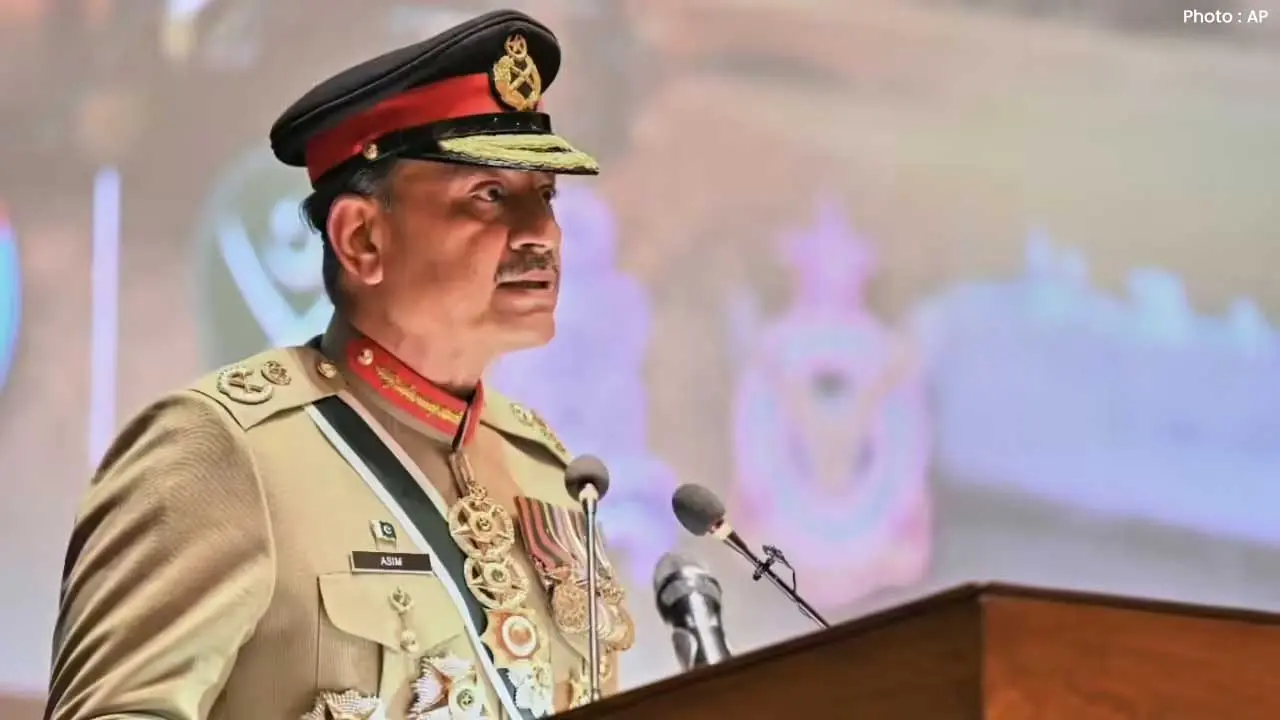
General Asim Munir, the chief of Pakistan's army, finds himself in a precarious position as the US presses for the deployment of Pakistani troops to Gaza under a new initiative. This potential involvement carries the risk of sparking widespread protests back home.
What’s Happening
The US is seeking Pakistan's contributions to a Gaza stabilization force following the anticipated withdrawal of Israeli troops. The initiative aims to involve Muslim nations in peacekeeping and reconstruction efforts in the region.
General Munir is faced with a tough choice; acceding to the request could provoke public outrage in Pakistan, while refusal could strain relations with the United States.
Timeline of Events
This situation gained attention on December 18, 2025, as it was reported that General Munir plans a trip to Washington, his third meeting with the US President in six months.
Significance of Gaza
Gaza has been devastated by extensive conflict involving Israeli forces and Hamas, leaving infrastructures in ruins and local populations in dire conditions.
According to the American plan, foreign troops would help maintain order and aid in reconstruction after the Israeli pullout.
However, there are concerns that this mission might entangle soldiers in ongoing conflicts, inflaming domestic sentiments that strongly support Palestine.
Burden on General Munir
Having nurtured a close rapport with American leaders recently, General Munir aims to leverage this relationship for enhanced investment and security support for Pakistan.
Nevertheless, the dilemma persists; not deploying troops could jeopardize ties with Washington, while sending them risks domestic upheaval.
Given Pakistan's capable military, the pressure on General Munir to partake in the Gaza mission intensifies.
Concerns of Domestic Protests
A primary concern in Pakistan is the strong backlash from Islamist groups opposed to the US and Israel. If troops are dispatched under an American-backed operation, mass protests could erupt.
These factions have the capacity to mobilize thousands into streets, with some having previously resorted to violence. While one major group has been banned recently, their views remain influential among their supporters.
Supporters of former Prime Minister Imran Khan may also seize on this issue to convene protests against General Munir's leadership.
Statements from Pakistan
Last month, Pakistan’s foreign minister indicated that the nation might consider peacekeeping roles but firmly stated that disarming Hamas is not part of Pakistan’s responsibilities.
This suggests a cautious approach aimed at minimizing direct conflict involvement.
General Munir’s Authority
Recently appointed as head of defense forces, General Munir oversees the army, air force, and navy, enjoying robust legal protections that allow for substantial leadership longevity.
In the lead-up to this situation, he has engaged in discussions with several Muslim nation leaders, which are believed to be linked to the Gaza strategy.
Implications of the Decision
If the Asim Munir Gaza troops initiative progresses, it could reshape Pakistan’s political landscape, influencing public stability, international relations, and the nation's role in global disputes.
Experts caution that deploying troops might rapidly escalate tensions, with public perception turning against Pakistan if they seem to endorse Israel, potentially leading to unrest.
General Munir stands at a critical juncture; his decisions have the potential to strengthen US ties but could alienate his own populace. Alternatively, choosing domestic stability may invite substantial international pressure.
The outcomes of his decision will undeniably influence both Pakistan and the broader regional context.