The escalating border violence between Thailand and Cambodia poses a significant challenge for Southeast Asia. As hostilities intensify in disputed territories, ASEAN leaders have intervened to avert a prolonged and perilous conflict.
In Malaysia, foreign ministers of the Association of Southeast Asian Nations (ASEAN) convene to explore options to halt the violence. Malaysia, the 2023 ASEAN chair, aspires to facilitate dialogues that bring both nations back to negotiations and revitalize a previously failed ceasefire.
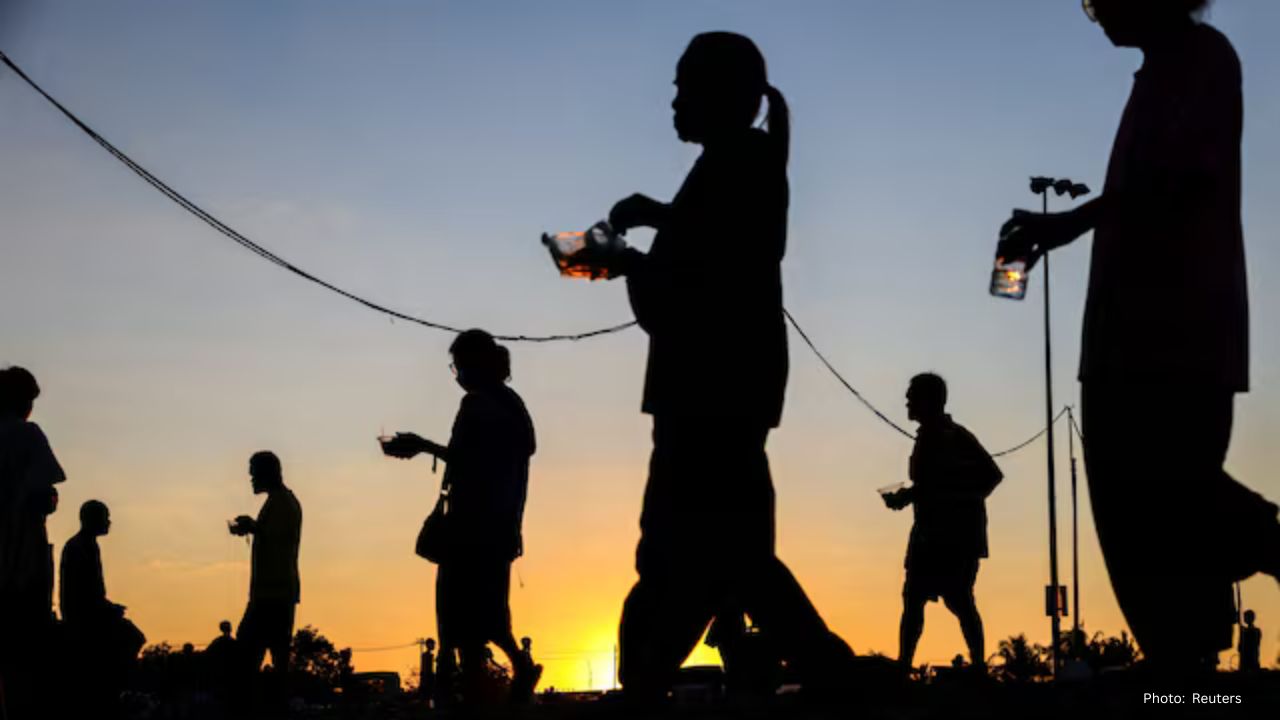
The repercussions of the conflict have been dire. Over 40 fatalities have been reported, while more than 500,000 individuals have been displaced from their homes. Many families are finding refuge in temporary accommodations, uncertain of their future. Local enterprises, farms, and educational institutions near the border have been severely impacted.
Decades-long territorial disputes mark the border shared by Thailand and Cambodia. Tensions escalate whenever negotiations falter or military forces encroach on conflicting zones. Recent confrontations have included intense gunfire, drone strikes, and air attacks. Thailand accuses Cambodia of targeting civilian locations, while Cambodia attributes airstrikes to Thailand, claiming breaches of prior peace accords.
Both nations blame each other for the fallout of a ceasefire agreed upon in July and a broader peace agreement established in October. Since December, clashes have proliferated across forested and coastal areas, fueling concerns of an expanding conflict.
Malaysian Prime Minister Anwar Ibrahim expresses cautious optimism regarding the negotiations, believing both Thailand and Cambodia are inclined towards a peaceful resolution. He emphasizes that constructive dialogue, mutual respect, and wisdom are imperative for reinstating peace and stability in the region.
ASEAN aims to harness satellite technology and on-ground reports to gain comprehensive insights into the situation. Supported by the United States, this information could assist in mitigating misunderstandings and misinformation. Clarity on the facts may ease tensions and prevent further confrontations.
The crisis has garnered attention from global superpowers, with both the United States and China engaging independently to mediate the conflict, albeit without success so far. The onus now lies on ASEAN to demonstrate its ability to manage pressing security issues within the region.
This meeting represents more than a mere dialogue for ASEAN; it's a pivotal assessment of its role as a peacekeeping entity in Southeast Asia. The organization advocates resolution through discussion rather than aggression. A successful outcome could enhance confidence in regional cooperation.
For both Thailand and Cambodia, the emphasis must shift from power struggles to prioritizing the well-being of their citizens. Protracted conflict perpetuates fear, loss, and displacement. Achieving a sustainable solution necessitates patience, genuine discussions, and adherence to established agreements.
While peace may be a gradual pursuit, even a reestablished ceasefire would signify considerable progress. The residents near the border yearn for tranquility, security, and an opportunity to rebuild their lives. The responsibility now rests with ASEAN to facilitate this endeavor.