A Rapidly Evolving Shift
The integration of technological advancements in the workplace has historically shifted job landscapes, yet the extraordinary pace of Artificial Intelligence adoption is unprecedented. Unlike past automation waves focusing predominantly on manual labor, today's AI technologies are encroaching upon cognitive roles as well. Industries once deemed secure—such as data analytics, content generation, customer service, and medical diagnostics—are now increasingly automated.
This transformation is not gradual; organizations are implementing AI tools in mere months, prompting swift alterations in hiring trends, job responsibilities, and overall workforce dynamics. Such rapid change brings a cloud of uncertainty that permeates various sectors.
Jobs Under Threat
AI’s disruptive influence varies significantly across sectors.
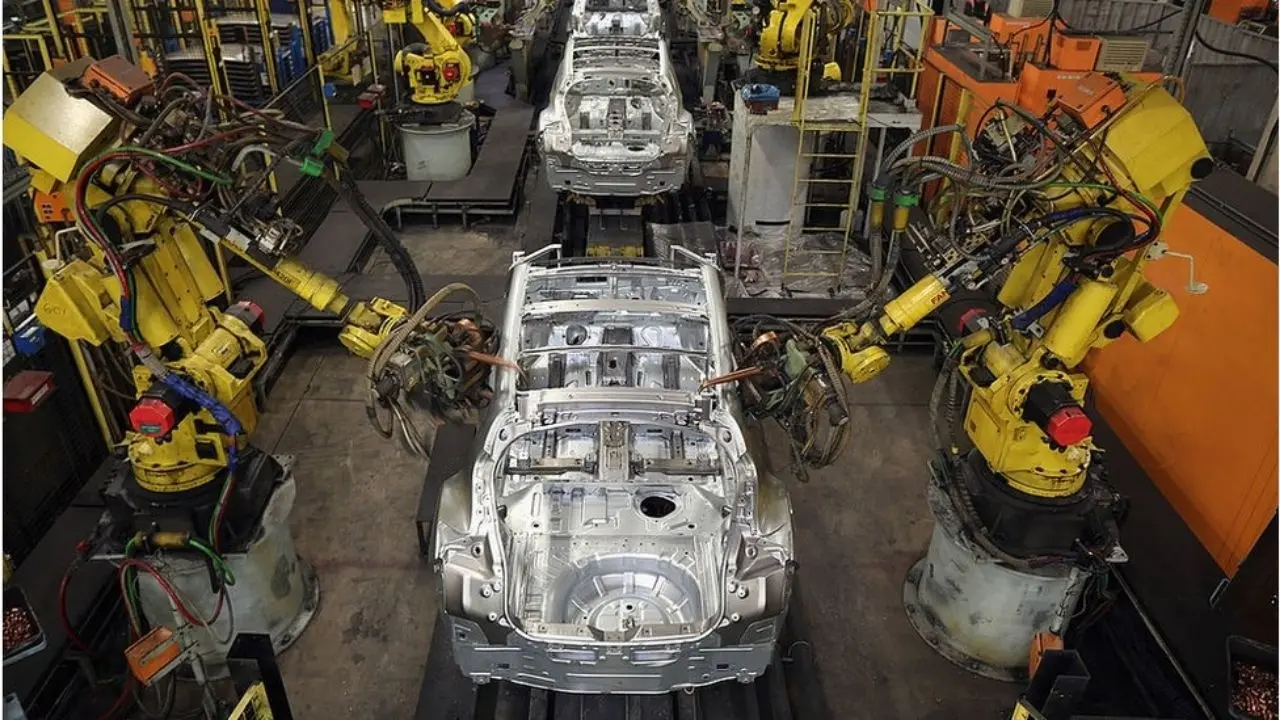
Roles that are routine in nature are the first casualties of this evolution. Positions involving data entry, basic accounting, telemarketing, and administrative functions are increasingly being automated. In the manufacturing realm, AI technologies are taking over repetitive assembly lines, reducing the need for manual quality checks through predictive systems.
Simultaneously, white-collar jobs are not exempt. AI systems can now prepare reports, analyze legal documents, produce marketing content, and assist in legal research, questioning the long-held notion that higher education guarantees job security.
Transforming Roles Rather than Eliminating Them
Amidst headlines focusing on job losses, another narrative emerges: job transformation. Many existing roles are being redefined rather than entirely phased out.
Workers are increasingly required to collaborate with AI systems, including managing their outputs, making judgment calls, and addressing complex exceptions. This shift demands a new set of skills; adaptability, technical knowledge, and critical thinking have become highly sought-after attributes over routine expertise.
However, this transition is far from uniform. Workers without access to training or digital resources face the risk of being marginalized, thereby exacerbating existing inequalities in the job market.
Emerging Roles in the AI Era
The disruption brought on by AI is spawning new job roles. Positions focusing on AI development, cybersecurity, data governance, and system management are rapidly expanding. There is a growing need for professionals capable of trainer models, address ethical considerations, and comprehend algorithmic outcomes.
Yet, the rapid creation of these new positions does not always keep pace with the roles that are disappearing. A skills mismatch persists; newly created jobs often require specialized knowledge that many displaced workers lack. This situation calls for urgent reskilling efforts, though they pose challenges, especially for mid-career professionals.
Effects on Wage Structures and Job Conditions
AI is not simply reshaping employment numbers; it’s also altering wage dynamics. Highly skilled workers who can harness AI often see productivity improvements and increased earnings. In contrast, those in roles susceptible to automation experience downward pressure on wages as the labor supply exceeds demand.
In various sectors, AI is prompting a shift towards freelance or gig arrangements, jeopardizing job stability. This evolution raises pressing issues regarding job quality, employee benefits, and long-term security, especially in regions with limited social safety nets.
Global and Geographical Disparities
The influence of AI on labor markets differs widely by geographic region. Developed nations with robust digital frameworks are better equipped to manage AI disruptions through innovation and retraining strategies. Conversely, developing countries, which heavily depend on labor-intensive sectors, face greater challenges.
Take India, for instance; it encounters a dual-edged sword. While AI poses threats to entry-level service jobs, it also unveils prospects for advancement in technology-oriented fields. The results emphasize the importance of education systems, policy frameworks, and access to digital training.
Educational Systems Lagging Behind
A significant systemic challenge lies in the disconnect between education and labor market demands. Traditional educational frameworks often cater to stable career paths rather than constant technological evolution.
AI necessitates ongoing learning, yet formal education frequently emphasizes static subject matter. This mismatch leaves graduates ill-prepared and frustrates employers. Lifelong learning has become essential, but access to quality reskilling remains inconsistent.
Worker Mental Health Challenges
Separately from economic considerations, the human toll of AI-induced transformation is significant. Job insecurity impacts mental well-being, self-assurance, and future planning. Workers are concerned not solely about job loss but also about becoming obsolete.
This anxiety is particularly pronounced among younger job seekers entering tenuous markets and older employees who worry about their ability to adapt. The emotional ramifications of technological disruption are becoming increasingly pertinent in workplace discussions.
The Necessity of Policy Adaptation
Governments are finding it challenging to keep up with the speedy developments prompted by technology. Traditional labor laws, social security frameworks, and training initiatives were not crafted with AI-driven shifts in mind.
Current policy responses are increasingly centered around reskilling strategies, ethical considerations in AI, and employment safeguards. However, implementation often lags behind the rapid changes. Without a unified approach, the rift between technological progress and societal preparedness will continue to grow.
Will AI Yield More Jobs than It Eliminates?
This question fuels ongoing debates. Technology has historically resulted in net job creation, though the transitional phases have often been challenging. AI might follow a similar trajectory, yet the rapidity of these changes activates heightened anxieties.
The essential distinction lies in timing. If job creation and reskilling cannot keep pace with job displacement, societies risk extended periods of unemployment and growing inequalities.
Final Thoughts: Navigating New Work Environments
Artificial Intelligence is not merely altering labor markets; it’s reshaping their very foundation. The future workspace will hinge less on established job titles and more on adaptability, ongoing learning, and human judgment.
The question of whether AI will function as a catalyst for shared prosperity or deepen social divides rests heavily on societal actions today. Investments in education, inclusive reskilling initiatives, and careful regulations will shape the extent to which AI empowers workers rather than displacing them.
The wave of disruption has already begun. The pressing challenge now is effectively managing it before it spins out of control.
Disclaimer:
This article is meant for informational purposes only. The influence of AI on labor markets differs across sectors, regions, and skill levels; outcomes will evolve as technology and policies develop.