Photo:AP
A Sunday evening trip to the Wildwood Conservation Area near St. Marys, Ontario, culminated in tragedy when a 13‑year‑old girl from Hamilton drowned. The incident unfolded around 7 p.m. during a family outing and ended despite extensive rescue efforts by emergency crews and civilians.
Police and local firefighters responded swiftly after being alerted to a missing swimmer within the designated swimming zone. The reservoir’s water, dark and murky, complicating search efforts, concealment of uneven terrain beneath the surface is suspected to have contributed. Struggling to stay afloat, the girl may have stepped into a deeper section and become trapped, as described by Stratford police Const. Darren Fischer.
Emergency personnel, assisted by other swimmers, formed a search chain and deployed sonar equipment within an hour. Around 8 p.m., divers located the teen within the buoy-marked swimming area. Despite immediate life-saving attempts, she was pronounced dead on the scene.
Upper Thames River Conservation Authority officials confirmed this is the first drowning on their properties this year, emphasizing the area's natural beauty and appeal while acknowledging hidden dangers. The authorities have temporarily closed the day-use beach and are conducting a safety review.
Understanding the Hazards at Wildwood
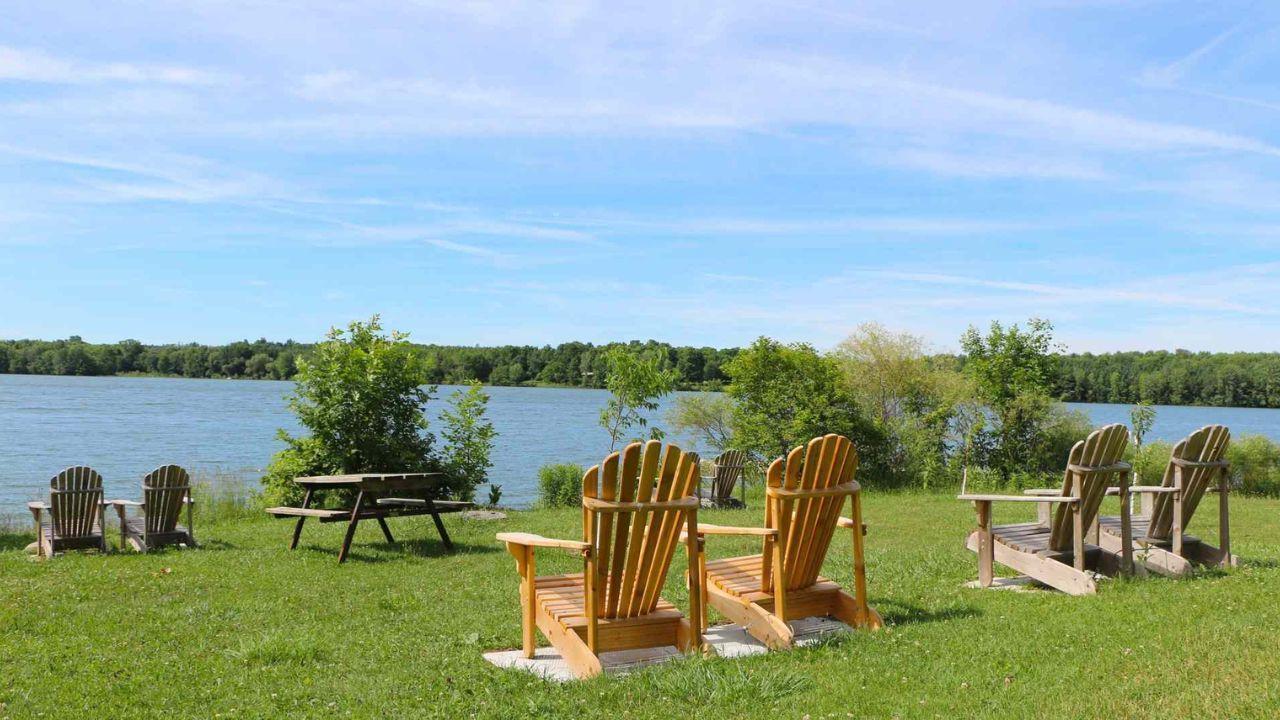
Wildwood Conservation Area spans over 3,400 acres with a seven-kilometer reservoir, trails, campsites, boating, and swimming facilities. However, its emphasis is on conserving nature, not providing lifeguarded beaches . Posted signs clearly state there are no lifeguards, reinforcing the expectation that swimmers must exercise caution.
The water’s natural state—murky with uneven depth—poses risks. Fall-off zones and lingering rope- or boardwalk-protected areas can expose unsuspecting swimmers to sudden depth changes . On warm summer evenings, such conditions can lure families into false safety, especially younger children.
Alberta RCMP Warning vs. Ontario Tragedy
While Alberta’s RCMP are encouraging respectful online behavior during elections, in Ontario a more profound public safety crisis plays out in physical space. Both cases, however, hinge on community awareness and proactive management—whether of digital conduct or waterways.
At Wildwood, there was no lifeguard or monitoring system actively surveying swimmers. This tragedy has prompted calls for improved hazard signage, easier access to flotation devices, and faster beach coverage.
Community and Family Impact
The drowning deeply affected the Hamilton family, seen as enjoying a summer outing. Their privacy is being respected by police and media outlets. Stratford Police extended condolences to those affected and thanked those who participated in the search .
The conservation authority closed the beach temporarily for reflection and cleanup, signaling that such areas—though serene—can harbor unseen danger. The loss of a young person in nature reverberates through small-town Ontario, prompting grief shared across communities.
Emergency Response & Recovery
Capt. Damian Schofield, Wildwood’s conservation coordinator, confirmed the site was shut while officials investigate potential mitigations . Firefighters and police used sonar equipment to retrieve the body, underscoring the importance—and challenge—of recovery under hazardous conditions.
Rescuers, including local swimmers, responded with bravery even as dark waters concealed the reservoir floor. Their coordinated effort—search chains and sonar—reflects training and readiness, but it also highlights limitations when youth are in peril.
Preventative Measures Under Review
Authorities are exploring ways to prevent future tragedies. Potential actions include improved buoyed zones, clear hazard markers, snorkeling bans, and community awareness campaigns urging vigilance.
Some suggest rotating volunteer “watchers” during peak periods. Others propose a seasonal lifeguard pilot program or installing emergency buoys and flotation stations near the beach entrance.
Broader Inland Waters Safety Context
This death is among several recent drownings in midwestern Ontario. On July 13, a 4‑year‑old drowned in a pond; a day later, a 32‑year‑old man died near Howdenvale in Lake Huron. These incidents highlight a silent summer safety crisis—many Canadians underestimate freshwater risk.
Health Canada, Parks Canada, and the Lifesaving Society report that open-water drownings among youth are not uncommon, often due to sudden depth changes, cold water shock, and absence of supervision.
Psychological Effects on Youth and Community
Witnessing or knowing someone who drowns can inflict psychological trauma—fear of water, anxiety, and survivor’s guilt. For families, the emotional toll is profound, lasting far beyond the summer.
Local school boards might offer counseling sessions. Community outreach, supported by health units, can help residents process grief while reinforcing safety’s importance.
Emergency Tools and Education
The tragedy has spurred calls for better public readiness—incorporating CPR training, defibrillator availability, and water safety curricula starting in elementary schools. First-response drills involving local volunteers and staff have been suggested for Wildwood and similar sites.
Regulatory and Infrastructure Considerations
The Upper Thames River Conservation Authority must now balance public access with safety. Policies around signage, staffing, and swimming advisories may be updated. Provincial agencies like Ontario’s Ministry of Natural Resources and Forestry could develop broader safety frameworks.
Grants exist for rural volunteer ambulances and education delivery. There might now be greater urgency to extend support to marginalized areas like Wildwood, where resources are sparse compared to urban centres.
Media Responsibility and Narrative
CTV, CP24, CityNews, Ground News, Windsor News Today, and other outlets have reported this story with compassion—focusing on caution and prevention rather than sensationalism. They emphasized rescue efforts and risk factors, giving readers context and guidance rather than emotional oversaturation.
Indigenous Perspectives and Environmental Stewardship
Wildwood sits within Anishinaabeg territory and Treaty 29 land. Indigenous groups offer a holistic view of water respect, combining spiritual awareness with safety rituals. Inclusion of Indigenous voices could elevate swim safety to a cultural priority, ensuring messages reflect local knowledge and collective responsibility.
Lessons Moving Forward
This drowning is a painful reminder of nature’s unpredictability. Even designated swimming zones can conceal hazards—dark water, variable depth, and soft ground. Communities must remain vigilant: consider childcare safety, pre-swim checks, buddy systems, and immediate rescue readiness.
A Call to Action
Every summer brings its share of tragedies, but each one should propel action. The death of this 13‑year‑old girl at Wildwood Conservation Area is an urgent prompt—to update safety plans, invest in equipment, and expand public education on freshwater risks.
While grief may eventually subside, the responsibility remains. Ensuring that places like Wildwood remain sanctuaries, not sites of sorrow, demands community will, institutional backing, and individual vigilance.