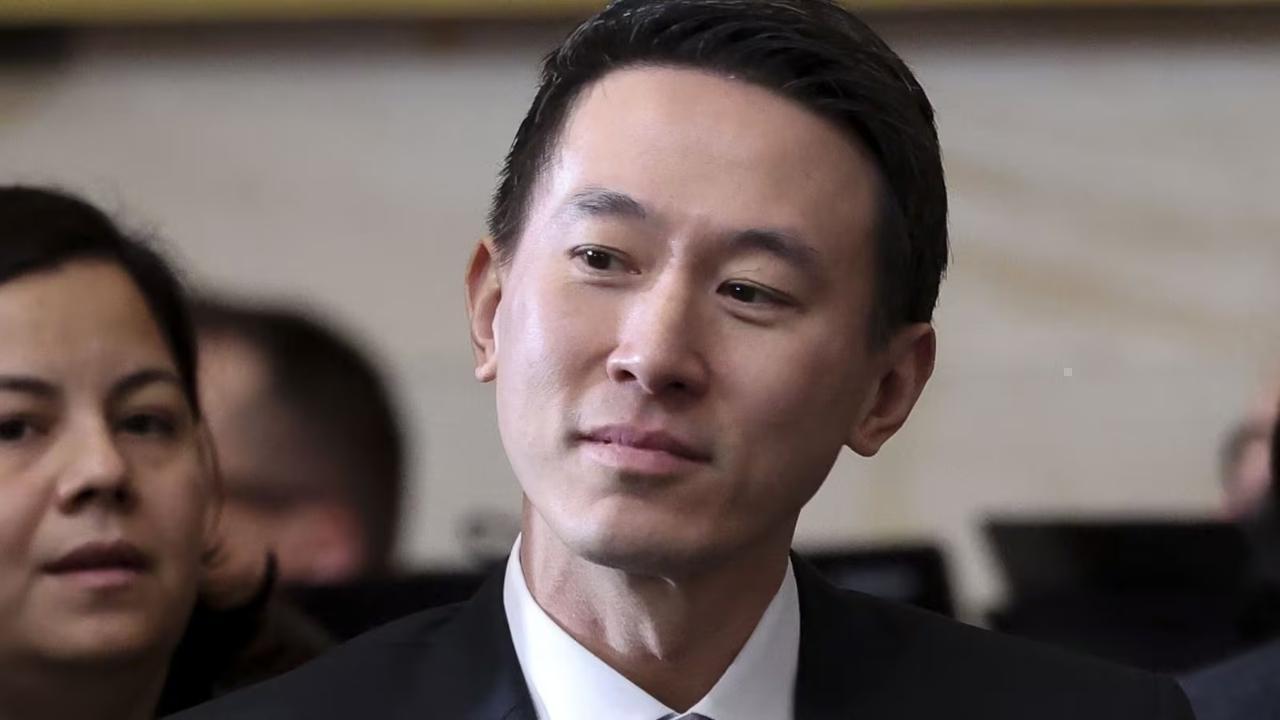
Photo:AP
TikTok CEO Seeks Urgent Meeting With Canadian Officials Amid Order to Shut Down TikTok Canada Inc.
In a dramatic escalation of tensions between a global tech giant and the Canadian government, TikTok CEO Shou Zi Chew has formally requested an urgent meeting with Canada's Minister of Innovation, Science and Industry, François-Philippe Champagne, in response to the federal government's order to dissolve TikTok Canada Inc.. The request comes after a national security review concluded that TikTok's operations pose an unacceptable risk to Canada’s interests.
The move by the Canadian government signals a potentially historic decision to directly disrupt the operations of one of the world’s most influential social media platforms. It follows growing concerns among democratic nations about data privacy, foreign influence, and potential surveillance linked to TikTok’s parent company, ByteDance, based in China.
What Prompted the Shutdown Order
Earlier this month, the Canadian federal cabinet issued a directive under the Investment Canada Act, requiring ByteDance to divest and dissolve its subsidiary, TikTok Canada Inc. The decision was made following a comprehensive national security review, which assessed the implications of foreign ownership in digital platforms, particularly those with deep access to user data.
Sources within the Canadian government have confirmed that the review revealed persistent concerns about user data potentially being accessible by the Chinese government, under Chinese national security laws which compel companies to share information with state intelligence.
The decision marks one of the most direct national-level interventions against TikTok in a G7 country. While the U.S., U.K., and Australia have already limited TikTok on government devices and debated full bans, Canada has now taken the extraordinary step of initiating a corporate shutdown—something that could become a precedent for other democratic nations.
TikTok CEO Responds: Seeking Dialogue, Not Disruption
In response to the Canadian government's order, TikTok CEO Shou Zi Chew sent an official letter to Champagne’s office, requesting a high-level dialogue to discuss the decision, express TikTok’s concerns, and propose potential remedies or assurances. Chew stated that the platform was "shocked and disappointed" by Canada’s order and maintains that TikTok has "never shared user data with the Chinese government".
Chew emphasized that TikTok has invested heavily in data transparency, including storage of Canadian user data on North American servers, use of third-party audits, and regional compliance frameworks aimed at aligning with Western legal standards.
He further stressed that TikTok Canada employs local talent, supports Canadian content creators, and plays a key role in the country’s digital economy. The CEO argued that forcing a shutdown would harm creators, small businesses, and millions of everyday Canadians who rely on the platform for expression and commerce.
Canada’s Investment Canada Act: Legal Groundwork
Under the Investment Canada Act (ICA), the federal government has the authority to review foreign investments in Canadian businesses or assets if they are deemed to impact national security. In this case, TikTok Canada Inc. is classified as a "Canadian business" with foreign ownership, making it subject to the Act.
The review process included consultations with Public Safety Canada, CSIS (Canadian Security Intelligence Service), and other intelligence partners, including the Five Eyes alliance.
The outcome of the review triggered a Section 25.4 order, giving TikTok a set period to comply by divesting or dissolving its Canadian entity.
Potential Consequences of Non-Compliance
Should TikTok refuse to comply with the shutdown order, several consequences may follow:
-
TikTok Canada Inc. could be forcibly wound up through court order.
-
App store access could be restricted by request of Canadian telecom regulators.
-
TikTok may face legal penalties, including fines and prohibitions on conducting business in Canada.
-
Access to ad revenue, partnerships, and digital infrastructure could be restricted.
-
Canadian internet service providers (ISPs) could be directed to block access to TikTok's web domains.
In the short term, this may lead to blackouts, loss of service, or limited app functionality for Canadian users, particularly if infrastructure contracts or data centers are involved.
TikTok’s Defense: Data Security and Compliance Efforts
TikTok insists it has never shared data with the Chinese government and has proactively taken steps to separate Canadian data from foreign access points. Key defenses include:
-
Hosting data in U.S.-based Oracle servers as part of “Project Texas,” which Canada is reportedly looped into.
-
Conducting independent audits by third-party cybersecurity firms.
-
Maintaining a Canadian privacy policy reviewed by legal teams and regulators.
-
Hiring Canadian legal, compliance, and engineering teams to localize operations.
Chew argues that TikTok should be judged by its conduct, not its origin, asserting that TikTok operates independently from ByteDance in Canada.
The Geopolitical Backdrop: Rising Digital Nationalism
The order to dissolve TikTok Canada occurs amid rising geopolitical tensions between Canada and China, intensified by prior confrontations over detained citizens, espionage claims, and interference in Canadian elections.
Canadian officials believe foreign tech companies must adhere to the country’s national security frameworks, regardless of global reputation or userbase size. Similar actions have been taken against Huawei in Canada’s 5G infrastructure.
The government has framed this move not as a commercial restriction but as a protective national security action, underscoring its commitment to protecting Canadians’ digital rights.
Public Reaction: Split Opinions and Economic Concerns
Reactions across Canada have been sharply divided:
-
Privacy advocates have praised the government for taking a bold stand on foreign data access.
-
Digital creators and influencers are expressing concern over lost income and declining reach.
-
Business groups warn this could create economic ripple effects, as startups and small businesses heavily reliant on TikTok for marketing could be disrupted.
-
Free speech defenders are raising questions about internet censorship, even in the name of security.
Analysts note that Canadian users spend more than 80 minutes per day on TikTok, making it a cultural and economic force beyond just entertainment.
TikTok’s Alternatives: Will the App Leave Canada Entirely?
Should negotiations fail and the shutdown order proceed, TikTok may pursue one of the following actions:
-
Appeal the government’s decision in federal court
-
Attempt a restructure that places data and operational control entirely under a Canadian entity
-
Shift operations to a third-party local partner
-
Or—exit the market entirely, as seen in India in 2020, when the app was banned outright
However, legal experts believe the window for negotiations remains open, especially if TikTok proposes binding commitments on data governance and Canadian oversight.
Will the Canadian Government Meet With TikTok’s CEO?
As of now, Minister Champagne has not confirmed whether he will meet with Shou Zi Chew. Government sources indicate that any such meeting would likely be informal and non-binding, given the legal posture of the shutdown order.
Nonetheless, some analysts believe that Canada could be open to modifications or extensions, especially if TikTok offers a framework for fully localized Canadian operations that comply with security protocols.
Other Countries Watching Closely
Canada’s firm action is being monitored by governments around the world. As calls to ban TikTok or limit its access increase in the United States, European Union, Australia, and India, Canada's legal framework may serve as a template for democratic states seeking to confront Chinese tech influence.
Some believe that if Canada succeeds in forcing a divestment or operational shutdown, it could embolden allies to take similar action.
What’s at Stake for Canadians
The shutdown order could affect:
-
Over 4 million Canadian TikTok users
-
Thousands of influencers, artists, musicians, and small businesses
-
Dozens of employees working directly for TikTok Canada
-
Partnerships with content studios, ad agencies, and marketing firms
Many creators who built entire careers on the platform could see their reach shrink dramatically if TikTok becomes inaccessible in the country.
A Defining Moment for Tech Regulation in Canada
The conflict between TikTok and the Canadian government marks a watershed moment in how democracies manage foreign tech giants. With digital platforms wielding global influence, governments face increasing pressure to balance freedom of expression, economic innovation, and national security.
Shou Zi Chew’s request for a meeting represents a last-ditch effort to negotiate a path forward—but the federal government’s firm stance suggests that any resolution will require meaningful concessions.
Whether TikTok will be able to remain operational in Canada, or join the ranks of banned apps in countries concerned about data and sovereignty, may soon become clear. Until then, the platform’s fate lies in delicate diplomacy, high-stakes legal decisions, and a reckoning over what Canadians value most in their digital lives.