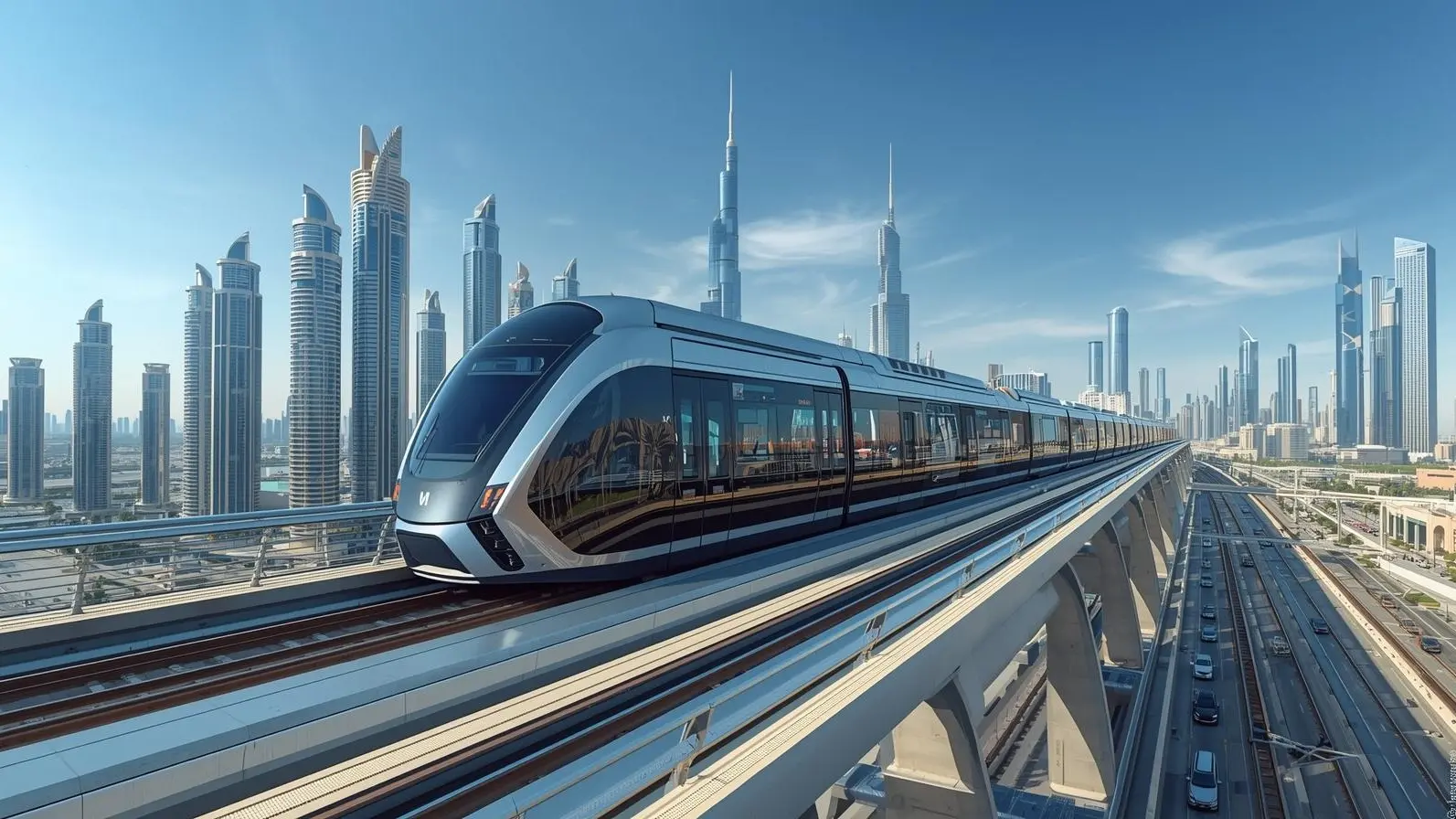
The Keys to Efficient Public Transport in Urban Areas
Efficient public transport doesn't just happen; it results from strategic planning, considerate investment, and a focus on user needs. While some cities contend with congestion and unreliable services, others successfully transport millions with ease. Identifying the factors that distinguish functional public transport systems from those that falter offers critical insights for urban development globally.
Optimal public transport goes beyond punctuality; it encompasses affordability, accessibility, integration, and overall user experience. When harmonized, these aspects encourage the public to choose transport options over personal vehicles.
Urban Planning and Density: A Fundamental Pillar
A primary aspect of efficient public transport is thoughtful urban density.
In cities where communities are built compactly, access to services naturally fosters the use of public transport. High-density areas enable buses, metros, and trams to effectively reach more passengers per route, enhancing both operational and financial sustainability.
On the contrary, sprawling urban designs lead to reliance on private cars, rendering public transport ineffective. Successful cities synchronize transport routes with residential areas, commercial centers, schools, and hospitals.
Efficient systems are crafted around the daily movements of people, rather than merely adhering to administrative divisions.
Creating Integrated Transport Models
In cities with effective public transport, buses, trains, metros, ferries, and cycling are not viewed as isolated networks. Instead, they form integrated transport models.
Integration entails:
-
Smooth transfers between different transport modes
-
Unified fare systems
-
Harmonized schedules
-
Clear signage and route maps
Commuters should be able to transition from a bus to a metro to a tram with a single fare and minimal wait time. Effective integration reduces overall travel duration, even for shorter segments.
Conversely, disjointed systems generate frustration, missed connections, and discourage public transport use.
Prioritizing Frequency and Dependability
Public transport efficiency hinges more on frequency and dependability rather than luxurious amenities.
Passengers appreciate knowing that a bus or train will arrive regularly, significantly outweighing their need for upscale interiors. Cities that excel in transport concentrate on:
-
High-frequency services during busy hours
-
Reliable timetables
-
Minimal service interruptions
-
Real-time information updates
When public transport is dependable, individuals plan their schedules around it. Inconsistent service can deter even the most attractive fares.
Infrastructure Dedicated to Public Transport
Proficient cities allocate spaces specifically for public transport.
Examples include:
-
Dedicated bus lanes
-
Separated metro pathways
-
Priority signals for public transport at intersections
-
Protected tram routes
By giving public transport precedence, cities minimize delays inflicted by personal vehicles. Buses caught in mixed traffic lose both efficiency and credibility.
Effective cities recognize that road space is limited, and prioritizing mass transit benefits a larger number of people.
Leveraging Technology and Smart Data Usage
Technology significantly enhances operational efficiency.
Successful systems employ:
-
GPS for real-time updates
-
Smart traffic management
-
Demand-driven scheduling
-
Data-informed route optimization
Passenger data allows authorities to adjust service frequency, enhance routes, and ease overcrowding. Mobile applications deliver real-time updates, alerts, and journey planning, ensuring public transport is user-friendly.
Technology alleviates uncertainty, a major barrier to adoption.
Simple and Affordable Fare Systems
Complex fare structures discourage use.
Efficient public transport systems provide transparent and affordable fare structures. Flat rates, daily limits, monthly passes, and combined tickets help alleviate confusion.
Predictable and fair pricing encourages people to transition away from private vehicles. While subsidies may be necessary, they are often balanced by reductions in congestion, environmental impact, and healthcare expenditures.
Public transport thrives when deemed an essential service, not just a profit-centric operation.
Consistent Government Support and Policy
Reliable public transport systems need continuous political commitment.
Cities with effective transport generally feature governments that:
-
Engage in ongoing investment rather than haphazard funding
-
Safeguard transport budgets
-
Focus on long-term gains over ephemeral popularity
-
Facilitate interdepartmental cooperation
Transport systems take years to deliver visible results. Cities that frequently change their policies or abandon initiatives often face challenges in fostering trust and operational efficiency.
Political stability and a clear transit vision are crucial.
Commitment to Accessibility and Inclusivity
Efficiency also pertains to who can utilize the transport, not merely its operational speed.
Successful systems cater to:
-
Elderly users
-
Individuals with disabilities
-
Children and students
-
Low-income families
Features like step-free entry, audible alerts, clear information, safe waiting areas, and affordable tickets ensure the system is inclusive.
When public transport is accessible to all, usage inevitably increases.
Safety and Cleanliness at the Forefront
Public transport use declines if safety or cleanliness is compromised.
Effective cities invest in:
-
Well-lit stations
-
Visible security presence
-
Clean vehicles and platforms
-
Regular upkeep
A secure environment builds confidence, particularly for women, the elderly, and late-night travelers. Cleanliness not only reflects reliability but also demonstrates respect for the users.
Efficiency falters when discomfort or intimidation drives potential users away.
Solving the Last-Mile Challenge
No public transport system is complete without addressing the last-mile issue.
Efficient cities provide:
Fostering Cultural Acceptance and Public Understanding
Public transport efficiency is intertwined with culture.
Cities with high efficacy often cultivate a perception of public transport as normal, respectable, and responsible. Engagement initiatives, educational outreach, and positive messaging contribute to this cultural shift.
When leaders and professionals utilize public transport, it garners social acceptance, reducing stigma and augmenting political backing.
Cultural attitudes bolster infrastructural support.
Robust Funding Models for Longevity
Successful public transport ecosystems rely on stable funding streams.
Effective cities blend a variety of revenue sources:
Emphasizing Ongoing Enhancement Over Singular Projects
Public transport efficiency is a continuous journey.
Successful cities consistently:
-
Assess operational performance
-
Gather user feedback
-
Incrementally refine systems
-
Adapt to demographic shifts
They approach transport as an evolving system, not a finished product.
Complacency can lead to degradation.
Understanding Why Some Cities Falter Despite Investment
A significant financial commitment does not guarantee public transport efficiency.
Key pitfalls include:
-
Inadequate cooperation among agencies
-
Corruption and mismanagement
-
Ignoring user preferences
-
Political meddling
-
Overlooking maintenance strategies
Efficiency is achieved through quality of execution, not merely volume of investment.
The Broader Impact of Efficient Public Transport
Efficient transport systems create advantages beyond mere mobility.
They:
-
Mitigate traffic congestion
-
Enhance air quality
-
Boost worker productivity
-
Encourage economic expansion
-
Improve the overall quality of life
Cities with well-functioning public transport draw talent, tourism, and investment.
Transport efficiency is a cornerstone of urban vitality.
Key Lessons for Urban Development
Successful public transport systems didn’t emerge overnight. They honed in on community needs, reliability, and a future-oriented approach.
Efficient public transport arises from:
Disclaimer
This article aims to provide general information only and does not serve as professional advice on urban planning, transportation, or policy. The effectiveness of public transport hinges on local infrastructure, governance, population dynamics, and economic conditions. Readers should seek counsel from relevant experts or authorities before applying these insights to specific situations or locations.