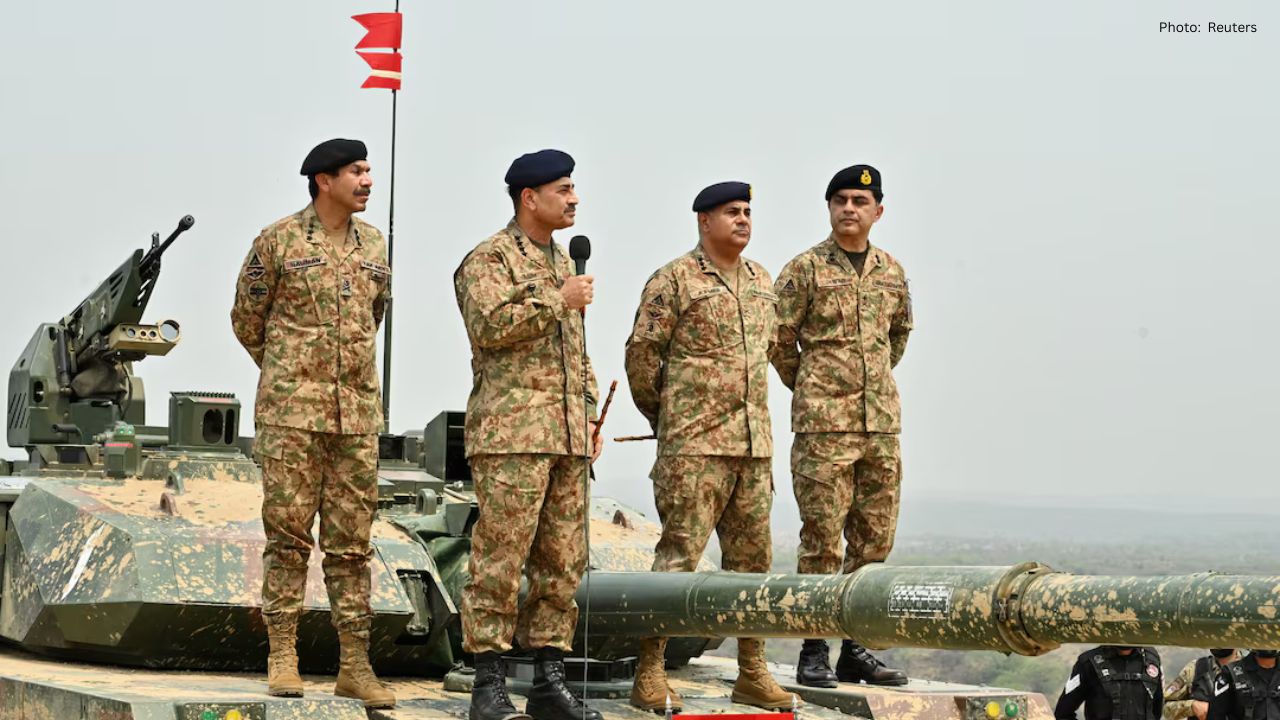
Field Marshal Asim Munir, Pakistan's military chief, is confronting one of the toughest challenges in his career as the United States encourages Pakistan to participate in a proposed Gaza stabilization force. This initiative is part of a broader strategy by US President Donald Trump to reconstruct Gaza following years of conflict, although it poses substantial political and security challenges for Pakistan.
Sources indicate that Asim Munir may head to Washington shortly for discussions with President Trump. This marks his third meeting with the US President within the last six months. The central focus is likely to be Trump's initiative to form a multinational force from Muslim-majority nations to help oversee Gaza during its reconstruction phase.
The devastation in Gaza, following over two years of Israeli military actions, has been severe. Trump's proposal outlines that foreign troops would help ensure stability, facilitate rebuilding efforts, and undermine Hamas. However, many countries are reticent to participate due to fears of being drawn into protracted conflicts that could incite domestic dissatisfaction.
Pakistan boasts one of the most formidable militaries in the Muslim world and is the sole Muslim nation to possess nuclear capabilities, positioning it as a key prospective ally in the eyes of Washington. Analysts suggest this heightens the pressure on Asim Munir to consider a supportive stance.
Experts caution that a refusal to engage could provoke discontent in Washington—something Pakistan would likely prefer to avoid. After years of tumultuous relations, Islamabad seeks to strengthen ties with the US to attract investments and military collaborations.
However, dispatching Pakistani troops to Gaza might trigger significant backlash at home. Nationwide sentiments are pro-Palestine, with various religious and political factions vigorously opposing Israel and the US. Should Pakistani forces be seen as endorsing a US-led initiative, widespread protests and unrest could ensue.
Pakistan has faced similar scenarios in the past. Islamist factions possess the capability to mobilize large crowds. Despite the recent ban on a prominent anti-Israel Islamist group, its influence persists among supporters.
Supporters of former Prime Minister Imran Khan remain dissatisfied with Asim Munir and the military leadership. Any contentious move in foreign policy could provide these factions with further impetus to challenge the army.
Asim Munir currently wields unprecedented power—the most influential military leader in Pakistan for decades. He oversees all three branches of the armed forces and enjoys legal protection along with an extensive extension in service. Analysts believe this endows him with the latitude to make bold choices, yet he will be fully accountable for the repercussions.
The Pakistani Foreign Minister Ishaq Dar has commented on the possibility of considering peacekeeping roles, yet emphasized that disarming Hamas does not fall under Pakistan's obligations. This underscores the intricate balance Islamabad is attempting to maintain.
In the weeks ahead, Asim Munir must navigate the complexities of managing relations with Washington while safeguarding stability on the home front. The decisions he makes will likely influence Pakistan's foreign policy, internal security, and public confidence for an extended period.