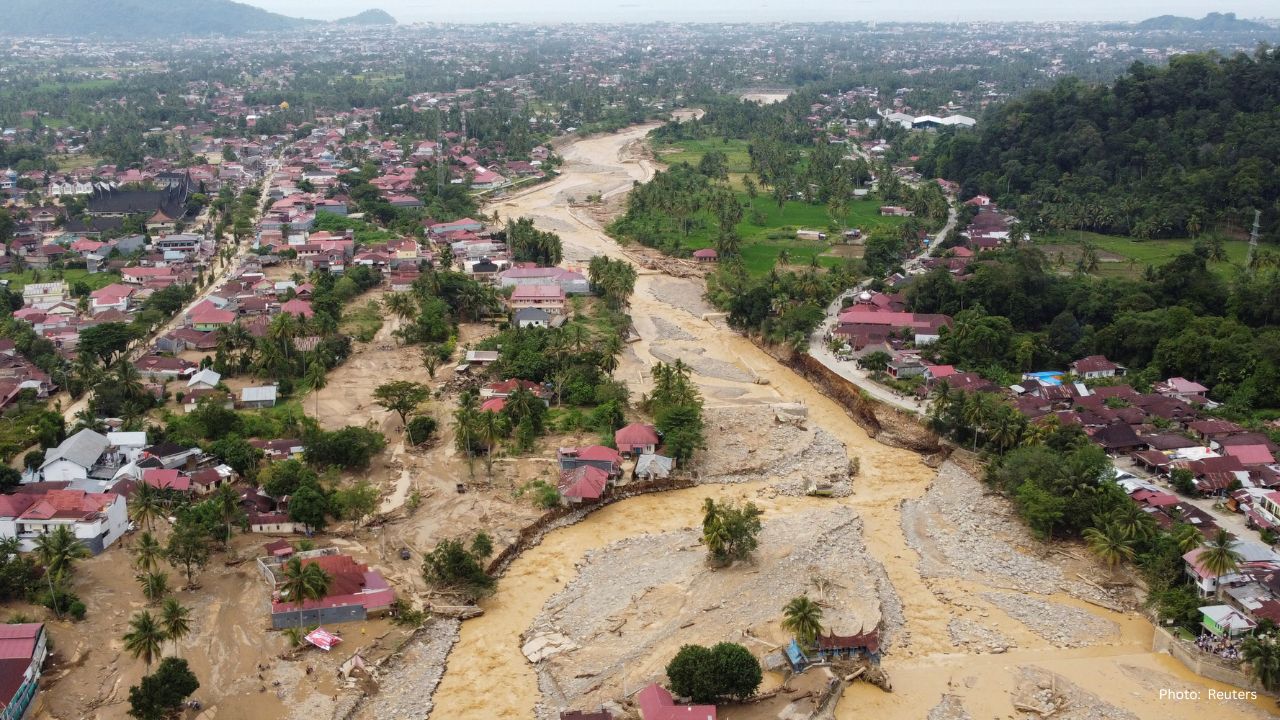
In the aftermath of catastrophic floods and landslides in Sumatra that resulted in approximately 800 fatalities and numerous missing persons, Indonesia is under increasing scrutiny to take decisive action. Families are in desperate search of loved ones as countless villages grapple with infrastructure devastation and power outages, prompting the government to vow stringent measures against mining firms breaching environmental regulations.
The floods, exacerbated by cyclone-induced rainfall, primarily affected three regions: West Sumatra, North Sumatra, and Aceh. Current reports indicate that 564 individuals remain unaccounted for, with rescue efforts hampered by landslides that have obstructed access to many remote areas.
These distressing events have also affected neighboring nations, as nearly 200 deaths have been confirmed in Malaysia and Thailand attributed to the same severe weather patterns. This comes on the heels of a series of extreme weather incidents within the region, including destructive typhoons impacting the Philippines and Vietnam.
Hanif Faisol Nurofiq, the Environment Minister of Indonesia, emphasized that the current disaster was exacerbated by ongoing climate change and the degradation of natural habitats. He highlighted the significant loss of forest cover in the severely impacted provinces as a critical factor in the crisis. Environmental activists concur, noting that persistent deforestation—frequently linked to mining operations and illegal logging—has compromised land stability, making it particularly susceptible to landslides during heavy rains.
Images showing massive logs washed up on Sumatra's coast have ignited outrage online, with many directing their frustrations towards mining companies for their role in forest clearance and inadequate safety measures.
This week, Energy Minister Bahlil Lahadalia visited affected communities, announcing a comprehensive review of all mining permits within the impacted zones. He assured the public that any companies found breaching regulations would have their permits revoked without hesitation.
"We are committed to enforcing our regulations effectively," he conveyed to displaced residents.
According to environmental groups, around 54,000 hectares of forest have been sanctioned for conversion to extraction zones, primarily for mining. PT Agincourt Resources, which operates the Martabe gold mine, disputed the direct association between their operations and the flooding, describing such claims as "premature and inaccurate."
Nevertheless, long-term data paint a concerning picture: from 2001 to 2024, Sumatra has witnessed a staggering loss of approximately 4.4 million hectares of forest—an area exceeding that of Switzerland. Experts warn that this deforestation trend heightens the risk of destructive floods and landslides.
As the nation grapples with the aftermath of one of its most severe recent disasters, there is mounting public demand for more rigorous environmental protections and accountability from resource-exploiting companies. Many fear that without the implementation of stricter regulations, similar disasters are inevitable.
Currently, rescue teams continue to sift through the rubble, seeking any signs of survivors. Communities throughout Sumatra are grieving their losses while waiting for assistance to reconstruct their shattered lives.