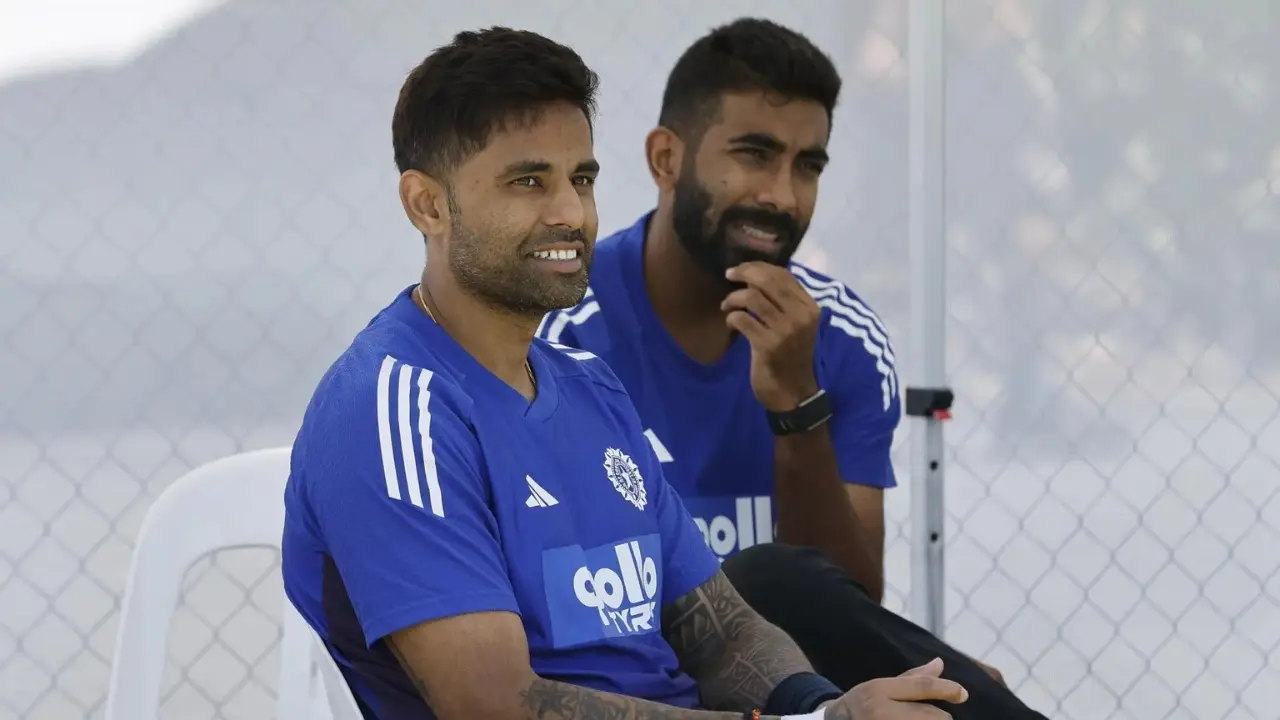
A Sound Strategy: India's Robust Preparations for the 2026 T20 World Cup
As the 2026 ICC Men’s T20 World Cup approaches, India steps in as defending champions, burdened with prominent expectations. Co-hosted by India and Sri Lanka from February 7 to March 8, 2026, the event will showcase 20 teams across four groups, placing India in Group A with Pakistan, Namibia, the Netherlands, and the USA.
The Board of Control for Cricket in India (BCCI) along with the team management is engaged in a diverse preparation plan that covers squad formation, match readiness, warm-up matches, player health tracking, and strategic planning—all aimed at not only competing but successfully defending the title on home turf, acknowledging that every detail can greatly impact the outcome. India's last championship win came in 2024 against South Africa.
Squad Selection: A Well-Rounded Team
In December 2025, BCCI unveiled India’s 15-player roster aimed at defending the T20 World Cup title, reflecting a balance between seasoned players, dynamic hitters, all-rounders, and specialists in final overs.
Under the captaincy of Suryakumar Yadav, the lineup features:
-
Veteran T20 stars like Jasprit Bumrah, Hardik Pandya, and Axar Patel
-
Exciting batsmen including Abhishek Sharma and Rinku Singh
-
Reliable finishers and keepers such as Sanju Samson and Ishan Kishan
-
Expert spinners and pace bowler options like Varun Chakravarthy, Kuldeep Yadav, and Arshdeep Singh
Some renowned players are omitted due to fitness challenges — a bold move reflecting the selectors' commitment to evolving strategies and conditions.
Additionally, the India A team comprises rising stars like Ayush Badoni and Priyansh Arya for warm-up matches, enhancing the talent pool in real match scenarios.
Match Practice: Building Momentum with T20 Series
A solid preparation plan incorporates competitive match scenarios, with India set to engage in a five-match T20I series against New Zealand that will enhance:
-
Player fitness and situational understanding
-
Combination testing under pressure
-
Refinement of batting line-ups, bowling changes, and field placements
-
Opportunities for fringe players to stake a claim for World Cup participation
This series is vital as noted by former cricket legend Sunil Gavaskar, who affirmed India is operating in a focused T20 World Cup mode, signaling heightened alertness and intensity across all plays.
Warm-Up Matches: A Crucial Test
Following the New Zealand series, India will turn towards warm-up matches aimed at replicating World Cup conditions and testing team compositions. The ICC’s latest schedule indicates that warm-up matches will take place between February 2 and February 6, 2026, featuring diverse encounters across cities.
India's pre-tournament match against South Africa on February 4 at DY Patil Stadium in Navi Mumbai is particularly notable, allowing for strategic adjustments against a formidable opponent just days before the tournament kicks off.
Alongside India's match, a variety of fixtures will include teams from Africa, Europe, and Asia, exposing players to differing conditions and play styles.
Fitness Management: Key to Success
As marathons define World Cups, managing player fitness remains pivotal. Recent updates include:
-
Tilak Varma out for part of the New Zealand series due to abdominal surgery, ensuring full recovery ahead of the World Cup.
-
Washington Sundar's fitness is under scrutiny, weighing potential replacements or breaks based on his progression.
These measures illustrate India’s cautious approach, emphasizing a fully fit squad for the competitive season ahead.
Tactical Planning: Adapting to Conditions
Moreover, preparation encompasses tactical planning tailored to venue specifics, climatic conditions, and rival analysis.
India’s Group stage primarily occurs in renowned venues like Wankhede Stadium, Narendra Modi Stadium, and Eden Gardens, which offer a range of batting-friendly masses and specialized pitch conditions at various day times.
Strategists are crafting match plans to capitalize on:
-
Home-field advantages and fan support
-
Creating a batting lineup adaptable to pitch variances
-
Selecting bowlers capable of leveraging dew and unique pitches
-
Formulating strategies against Group A teams like the USA and Namibia
Cricket legends and analysts provide valuable insights for maximizing India’s strengths, particularly in last overs and finishing tasks.
Leadership: Guiding the Charge
Leading the squad is captain Suryakumar Yadav, who brings a mix of flair and calculated skill central to T20 cricket. His leadership is vital during tense moments where strategies may need quick adjustments.
On the coaching front, head coach Gautam Gambhir bears a significant weight of tactical choices and game strategies. Pressure mounts on the coaching staff as past players caution about repercussions from any underperformance this World Cup.
Managing Team Dynamics: Confidence and Roles
Like many sports, cricket is driven by confidence and momentum. India prioritizes:
-
Maintaining form of players and ensuring they are placed in roles that showcase their strengths
-
Providing support to players in the spotlight, like Sanju Samson, whose form has been inconsistent
-
Mixing experienced players with younger talents who can spark surprises
Fostering a dynamic that cultivates trust, clear definitions of roles, and flexibility make up India’s holistic preparation philosophy.
Focus on Mental Conditioning
World Cups represent high psychological stakes. India’s players engage in sessions emphasizing:
-
Managing pressure during home matches
-
Staying calm amid the tournament's ups and downs
-
Quick adjustments between matches
-
Coping with media scrutiny and the weight of being defending champions
These aspects of mental preparation are subtle yet paramount, especially during decisive clashes that could alter a team's trajectory.
Adapting to External Factors
India’s preparations are also affected by external elements:
-
ICC’s refusal of Bangladesh's request to move World Cup matches from India— a positive affirmation for Indian plans.
-
Changes in tournament participants, such as Scotland stepping in for Bangladesh, which alters competition dynamics but doesn't disrupt India’s preparation pace.
These developments might shape the World Cup environment, yet India's attention on adaptation and readiness remains unshaken.
Engaging the Public: Building Excitement
Alongside match strategies, engagement with fans and the public plays a part in building enthusiasm for the event.
The T20 World Cup trophy was showcased at Jasprit Bumrah’s former school in Ahmedabad, fostering excitement within students and the community.
Such initiatives amplify cricket culture and consolidate the support surrounding the team — the nation backs its players, promoting an intangible motivational edge.
Conclusion: A Comprehensive Defense Strategy
India's approach towards the 2026 T20 World Cup extends beyond mere match play—it encompasses a multi-faceted build-up that involves strategic formulation, health management, tactical design, match practice, psychological conditioning, and public outreach.
As the opening match approaches on February 7, 2026, India’s focus on comprehensive readiness highlights its ambition: not just to compete but to successfully safeguard their title on home soil through a blend of skill, mental resilience, and strategy integral to contemporary championship cricket.
Disclaimer: This article consolidates publicly available insights regarding India’s preparations for the 2026 ICC Men’s T20 World Cup. Information concerning squad choices, match strategies, and fitness updates is subject to evolution as the event unfolds.