How to Drive Safely on Flooded Roads in Montreal: A Comprehensive Guide for Motorists
Montreal, a city known for its vibrant culture and unique mix of architecture, is also becoming increasingly familiar with extreme weather events. Among the most challenging of these events is urban flooding—particularly during intense summer rainstorms or rapid snowmelt. Whether it’s a flash flood from a sudden downpour or water overflow caused by overwhelmed sewers, Montreal’s roads can quickly become treacherous. For drivers, these flood conditions aren’t just inconvenient—they’re potentially life-threatening.
This comprehensive guide aims to help Montreal drivers understand how to navigate flooded roads safely—or, ideally, how to avoid them altogether. With an increase in unpredictable weather events, being prepared is no longer optional—it's essential.
Understanding the Dangers of Flooded Roads
Flooded roads may appear harmless, but they can be among the most dangerous driving conditions. Water can conceal a range of hazards—from potholes and sharp debris to sinkholes and collapsed asphalt. Even more deceptive is the depth and speed of the water. Just six inches of moving water can cause loss of control or stall most vehicles, and one foot of water can carry away small cars. Two feet of water can sweep away even larger vehicles such as SUVs and trucks.
For this reason, the most important rule is simple and repeated often by emergency services: Turn Around, Don’t Drown. If a road is flooded, the safest and most responsible action is to avoid it.
However, we recognize that avoidance is not always possible. In rare but urgent situations, you might find yourself with no alternative but to cross a partially flooded road. In these cases, preparation, caution, and precise driving techniques are crucial to your safety.
Preparation Before Driving: What Every Montreal Driver Should Do
Preparation begins well before you find yourself facing a flooded street. Especially during rainy seasons or when flood warnings have been issued, take proactive steps to ensure your vehicle and knowledge are ready for potential risks.
-
Check the Weather Forecast and Local Alerts
Montreal’s weather can change rapidly. Use trusted local news sources and weather apps to monitor rainfall warnings, flash flood alerts, or reports of road closures. The city often issues public advisories when flooding is anticipated.
-
Plan Your Route Accordingly
Identify high-risk flood zones—such as underpasses, low-lying streets, riverfront areas, and intersections known for poor drainage. Have alternate routes planned. Avoid shortcuts through unfamiliar neighborhoods that may have poor infrastructure or unmarked hazards.
-
Inspect Your Vehicle Before Travel
-
Ensure your tires are in good condition with ample tread depth.
-
Test your brakes to ensure responsive stopping.
-
Make sure windshield wipers are effective.
-
Confirm your headlights and hazard lights are working properly.
-
Keep your gas tank at least half full in case of long detours.
-
Store an emergency kit with essentials like a flashlight, first aid supplies, jumper cables, a phone charger, a blanket, water, and non-perishable food.
How to Identify Flood Hazards While Driving
When rain begins to fall heavily or road conditions look uncertain, slow down and scan the environment for signs of flooding. This includes:
-
Water pooling on streets or collecting near curbs and gutters.
-
Slow-moving or halted traffic ahead.
-
Emergency vehicles or flashing hazard lights.
-
Dislodged manhole covers or floating debris.
-
Water appearing to flow across the road like a shallow river.
If you see water flowing across the road or covering more than half the height of your tires, do not attempt to cross. Even shallow water can have a deceptively strong current or hide hazards that damage your vehicle.
Steps to Take if You Must Cross a Shallow Flooded Area
If avoidance isn’t possible, and you must drive through water, follow these safety guidelines with extreme caution:
-
Approach Slowly and Assess the Situation
Pause and evaluate. Can you see the road surface beneath the water? Are other vehicles crossing safely? Is the water stationary or moving? If there’s any doubt, turn around.
-
Choose the Center of the Road
Most roads slope downward toward the curb for drainage. This means that water tends to be deepest at the sides and shallowest in the center. Stick to the crown of the road to minimize water contact.
-
Drive Slowly and Steadily
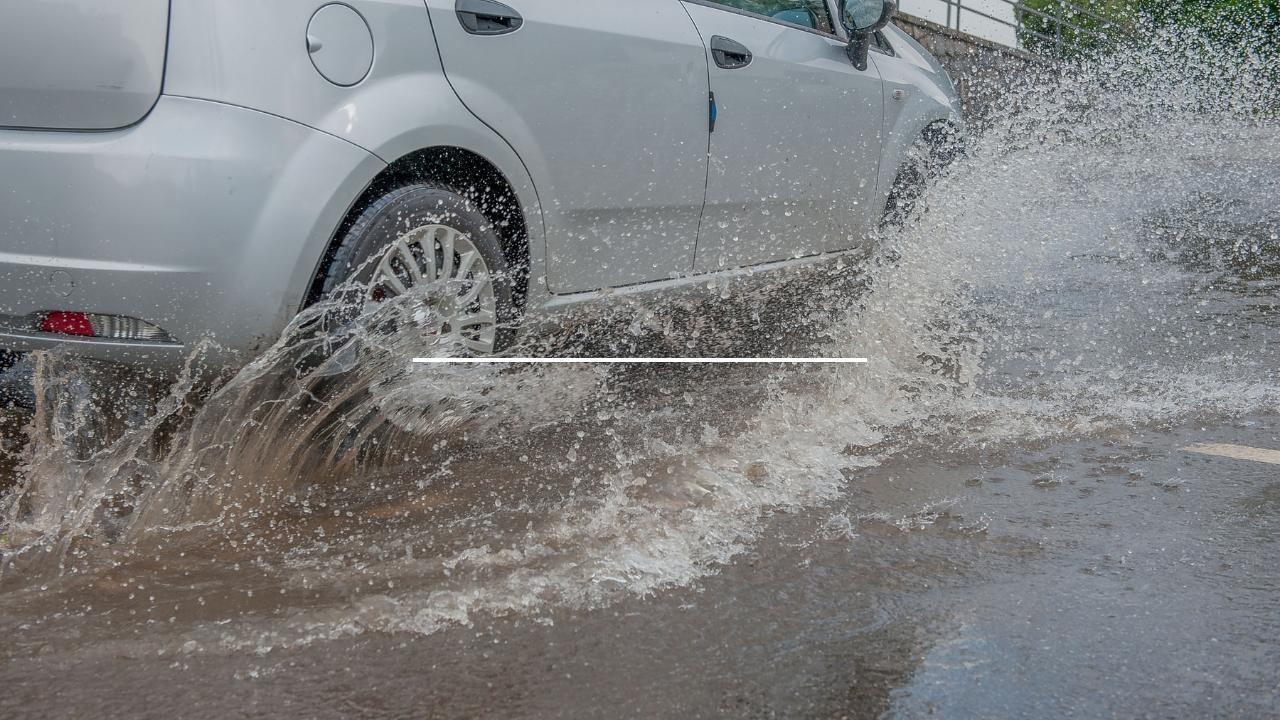
Shift your car into low gear and move forward at a steady speed—around 3 to 5 km/h. Driving too fast can push water into your engine or undercarriage, causing damage. Avoid creating a bow wave (a wave created in front of your vehicle) which can increase water intrusion.
-
Do Not Stop Midway
Keep moving slowly and steadily. If you stop, water could flood your tailpipe or engine intake. Stay committed until you reach dry ground.
-
Avoid Passing Other Vehicles
Overtaking other cars in flooded conditions increases your risk of misjudging depth and colliding with debris or stalled vehicles. Maintain your lane and focus on the road ahead.
-
Watch for Floating Objects or Manhole Covers
Water may hide floating tree branches, garbage, or dislodged manhole covers. These can easily puncture tires or cause your car to veer off course.
What to Do If Your Vehicle Stalls in Water
If your car stalls in standing water:
-
Do Not Attempt to Restart the Engine
This can cause irreparable damage, including hydrolock—where water enters and destroys the engine cylinders.
-
Exit the Vehicle Only If It's Safe
If the water is rising or entering your cabin, abandon the car immediately and seek higher ground. Open the door carefully to avoid a surge of water, and if necessary, exit through the window.
-
Call for Emergency Assistance
Contact emergency services or a roadside assistance provider. Do not try to push the vehicle out if water is above your ankles or there is any current.
After Crossing Flooded Roads: Post-Drive Safety Steps
Once you’ve safely navigated or avoided a flooded area, it’s essential to take these post-drive precautions:
-
Test Your Brakes Gently
Apply light pressure on your brakes to dry them out. Wet brakes are less effective and could result in dangerous delays in stopping.
-
Inspect Your Car for Damage
Look for signs of water intrusion—such as strange engine noises, warning lights, or smoke. Check under the car for debris caught in the axle or brakes.
-
Check Your Engine Air Filter
If the air filter is wet, your engine may have ingested water. Avoid restarting the car and have it towed to a mechanic immediately.
-
Clean and Dry Interior if Water Entered the Cabin
Use fans and towels to dry seats and floors. Moisture can lead to mold and lingering odors.
-
Schedule a Professional Inspection
After driving through any substantial water, it’s wise to have your car checked by a certified mechanic, especially if your engine spluttered or your electronics malfunctioned.
Long-Term Preparedness for Montreal Drivers
As climate change increases the frequency and severity of flooding, it’s critical for residents in Montreal to adopt long-term defensive strategies:
-
Regularly Maintain Your Vehicle
Ensure your brakes, tires, and engine are always in top condition, especially during storm season.
-
Invest in Flood-Resistant Accessories
Consider protective modifications like splash shields, weatherproof floor mats, and rust-proof undercoating.
-
Upgrade to a Vehicle with Better Clearance
If you live in a frequently flooded zone, consider a vehicle with higher ground clearance or even all-wheel-drive capability.
-
Know the High-Risk Areas in Your Neighborhood
Keep a mental map of flood-prone streets, intersections, and underpasses.
-
Install Flood Alert Apps or Notification Systems
Use city apps, weather services, or real-time traffic updates to stay informed.
What Insurance Covers—and What It Doesn’t
Many drivers assume auto insurance covers flood damage. However, not all policies do. It’s important to:
-
Review Your Coverage
Make sure you have comprehensive coverage—not just basic collision or liability.
-
Document Damage Quickly
If your vehicle is affected by flooding, take photos and notify your insurer immediately.
-
Be Honest About the Incident
Provide accurate details of what occurred to avoid claim rejections or delays.
Final Thoughts: The Cost of Risk Isn’t Worth It
The decision to drive through a flooded road is one that can result in devastating consequences. Lives have been lost due to vehicles swept away by deceptively shallow-looking water. In Montreal’s unpredictable weather environment, caution is more than a virtue—it’s a requirement.
Every time you encounter a flooded road, you’re not just making a decision for yourself—you’re potentially endangering passengers, first responders, and others on the road. The best option is always to find another route, delay your trip, or seek safe shelter until the water recedes.
Your vehicle can be replaced. Your life cannot.