Photo:AP
Violence Rages Amidst Diplomatic Push
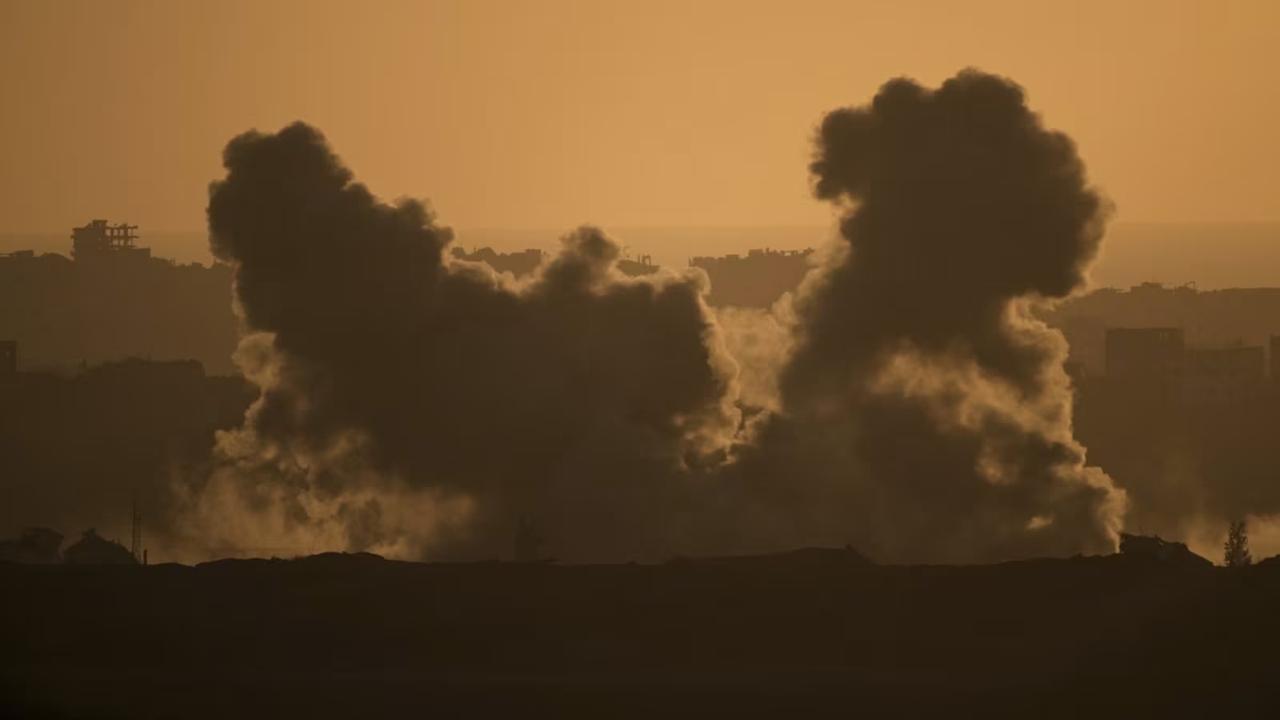
As President Donald Trump and Prime Minister Benjamin Netanyahu met privately in Washington this week to coordinate a potential 60‑day ceasefire, the conflict on the ground remained deadly. On Tuesday, July 8, 2025, reports from Gaza’s health ministry confirmed that at least 40 Palestinians were killed, including civilians and children, during Israeli strikes across multiple locations—including Khan Younis, Rafah, and the northern Gaza Strip. The persistent military operations followed Hamas attacks that claimed the lives of five Israeli soldiers in Beit Hanoun, highlighting the conflict’s continuing devastation.
Diplomatic Meetings Drive Ceasefire Momentum
The unscheduled 90‑minute summit between Trump and Netanyahu included negotiations over a “60‑day truce” in exchange for the release of both living and deceased hostages held by Hamas. According to U.S. Special Envoy Steve Witkoff, negotiators have narrowed outstanding issues to a single sticking point—reportedly the status of Israeli military withdrawal after a truce. Still, Netanyahu emphasized that Israel’s campaign would continue unless Hamas surrendered and disarmed.
Humanitarian Crisis Deepens
Gaza's health system remains under extreme strain. Red Cross facilities have treated over 2,200 weapon-related injuries, with more than 200 deaths, underscoring the dire situation at aid distribution points. The crisis has seen schools across Gaza and the West Bank badly affected, with at least 18,000 students and education workers killed, and thousands of schools destroyed or damaged.
Sticking Points in Ceasefire Talks
Key dispute areas include:
-
Hostage exchange details: Hamas seeks release of all hostages; current proposal includes ten live captives and nine deceased.
-
Post-truce military stance: Israel demands security guarantees, including denial of Hamas’ governance within Gaza; Hamas insists on full IDF withdrawal.
-
Humanitarian aid delivery: Qatar and international bodies are pushing for unfettered corridors; Israel remains cautious about who enforces humanitarian efforts.
Qatari mediators warn talks will take more time, even as optimism around a deal grows.
Widening Geopolitical Tensions
The proposed U.S.-backed “humanitarian transit zones”—including plans for a tent city in Rafah—are drawing sharp criticism. Palestinians, alongside Egypt and Jordan, decry them as ethnic cleansing. The concept faces broader backlash from international human rights groups wary of forced displacement.
Rising Casualties Intensify Pressure
The daily violence is exacting a steep toll:
-
Five Israeli soldiers were killed in a northern Gaza ambush, prompting urgent debate within Israel on whether to escalate operations or secure ceasefire agreements.
-
At least 51 Palestinians, including children, were reported killed in concentrated strikes on Khan Younis and Nuseirat camps .
-
Over 95 Palestinians were killed in recent offensives while AI networks continue filming mass casualties at food distribution points within Gaza .
U.S. Leverage & Political Calculations
Trump framed the ceasefire push as a strategic win, proposing the deal during Cabinet talks and emphasizing his broader diplomatic objectives—potentially extending his legacy by ending the Gaza war. Netanyahu backed Trump’s efforts and even nominated him for a Nobel Peace Prize.
The deal aligns with Trump’s foreign policy priorities, including reducing U.S. support in active conflicts while expanding the Abraham Accords and pursuing influence in Iran diplomacy.
Ceasefire Framework: A Fragile Offer
The proposal outlines:
-
60 days of truce, backed by a U.S. guarantee that Israel won’t resume military operations unilaterally.
-
Exchange of live and deceased hostages (10 living, 18 deceased).
-
Israeli troop drawdown to buffer zones along Gaza’s borders.
-
Humanitarian corridors, managed by UN and Red Crescent agencies with external oversight .
Although Hamas signaled openness, it remains wary of the deal’s permanence.
What’s Still Blocking a Deal
Primary obstacles:
-
Defining troop withdrawal terms: Israel seeks to maintain leverage even during a truce; heavy military footprint may remain.
-
Long-term governance issues: Israel demands assurances that Hamas cannot resume governance; Hamas demands a roadmap for Gaza’s future .
-
Aid channel control: Hamas and Qatar push for independent humanitarian operators; Israel resists diminished oversight.
What to Watch Next
-
Outcome of indirect talks in Doha, where complexity over troop status and humanitarian access persists
-
Trump-Netanyahu joint messaging, particularly following dinner and private meetings at the White House.
-
Humanitarian conditions on the ground, including aid delivery rates, healthcare closures, and civilian casualties .
-
Political pressure within Israel, especially as soldier losses intensify policy debates .
-
International backlash, with activists denouncing forced displacement and calling for U.S. and European diplomatic action
Conclusion: Diplomacy Amid Disaster
The clash between diplomatic urgency and bloody conflict defines this moment in Gaza. As Trump and Netanyahu press for a ceasefire, the reality of rising civilian deaths, aid shortages, and hostages in captivity looms large. The next week may determine whether diplomacy can outpace devastation—or if diplomatic gains will squander amid real-world tragedy.