The ongoing conflict in Yemen is evolving as the internationally recognized government starts to regain confidence and a clear agenda. After enduring years of fragmentation and infighting, it is now concentrating its efforts on the Houthi movement, which has taken control of much of northern Yemen, including the capital city, Sanaa.
The Yemeni government has faced significant challenges because the anti-Houthi factions were divided among various leaders and interests, which complicated cooperative efforts. This disunity hampered governmental strength, enabling the Houthis to solidify their stronghold.
However, recent developments signal a shift in the dynamic. The government has curtailed the influence of rival armed factions in the south, reducing the prevalence of internal disagreements. This newly restored order empowers leaders to contemplate broader actions against the Houthis.
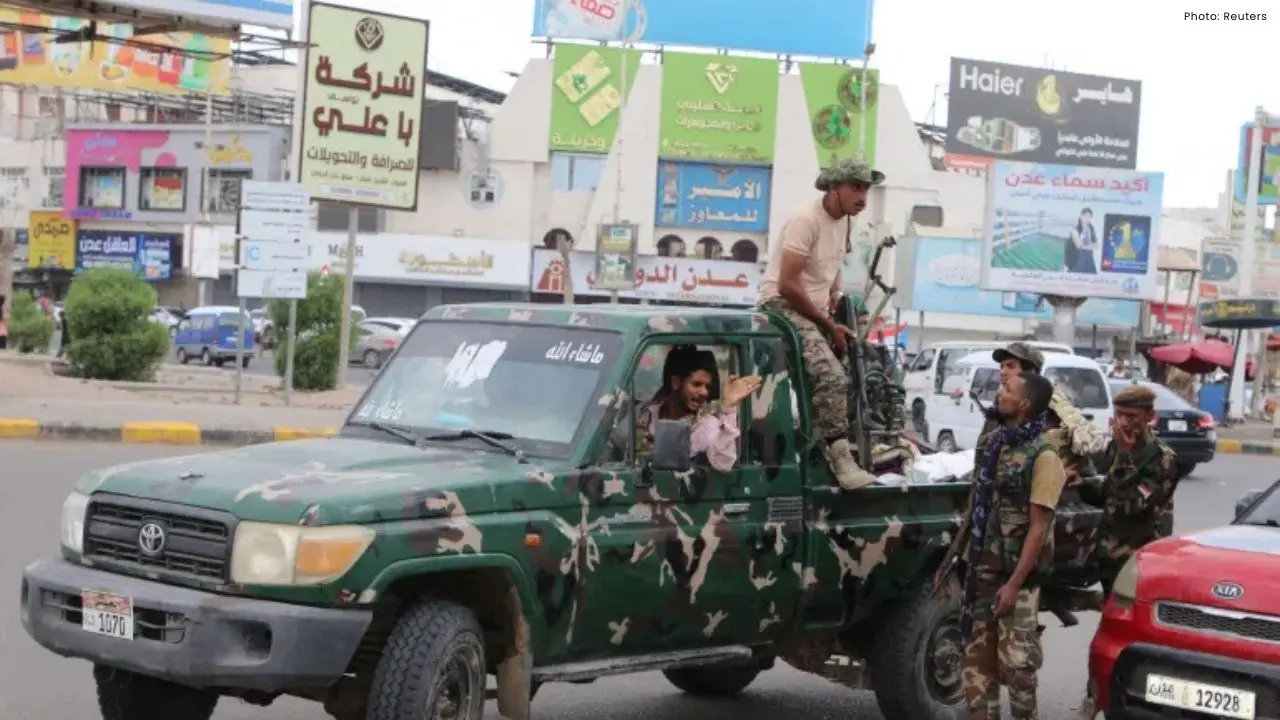
A pivotal measure has been the establishment of a new military entity designed to unify all anti-Houthi forces under a single command structure. The goal is straightforward: enhanced coordination. By amalgamating various units, the government hopes to bolster discipline, strategic planning, and overall military capability. Advocates believe this initiative could eliminate years of discord among allied forces.
Officials contend that achieving unity is crucial for Yemen's path to stability. They assert that a singular, organized command will be more effective in protecting territory and civilians than fragmented groups operating independently.
Reactions throughout Yemen are varied. Some citizens endorse this initiative, believing it may restore equilibrium and compel the Houthis to engage sincerely in peace discussions. Others harbor concerns that an intensified military approach could reignite violence, disrupting fragile periods of peace.
Supporters of the Houthi movement have dismissed the government's strategies. They affirm that the Houthis remain robust and prepared to safeguard their territories. They warn that any offensive to push northward will meet fierce opposition and might plunge the country back into severe conflict.
Experts caution that the Houthis are formidable adversaries. Over the years, they have acquired significant military expertise and control over vital cities and supply chains. Any attempt to dislodge them through force could prove to be protracted and expensive.
The average Yemeni citizen is watching the situation closely. Years of conflict have taken a toll, with homes destroyed, jobs vanished, and millions reliant on humanitarian aid for survival. Parents are anxious about their children’s futures, and communities yearn for peace above all.
Some residents in the south express that improved military cohesion could lead to enhanced local security and diminished lawlessness. Others emphasize that genuine progress hinges on dialogue, not an escalation in armament.
International observers note that the government’s revitalized commitment has the potential to alter the power dynamics, but only if this is coupled with viable political solutions. Military might alone will not mend the deep scars inflicted by years of conflict.
Yemen finds itself at a pivotal juncture. The government's endeavor for unity presents an opportunity to restore authority and order. Nevertheless, the road ahead remains fraught with peril. The outcome of this renewed focus will hinge on the strategic choices made in the coming months.