Photo:reuters
Introduction
Blind boxes—also known as mystery boxes—are sealed packages that contain a hidden collectible item, typically one of many in a themed series. Buyers have no idea what’s inside until they open it, creating a moment of suspense and thrill. This sense of mystery has transformed blind boxes from simple toys into a cultural trend with global momentum, capturing the imagination of consumers in cities like Edmonton and across Canada. In a digital age craving novelty, blind boxes offer a tangible surprise that’s difficult to replicate elsewhere.
Historical Background and Cultural Origins
The blind box trend didn’t begin in the West. Its roots can be traced to Japan’s gacha machines, known for dispensing capsule toys at random. This vending machine-based culture exploded in the 1980s, embedding surprise mechanics into Japanese retail environments. From there, the concept evolved into fukubukuro, or “lucky bags,” offered during New Year’s sales—a type of blind shopping deal where buyers get unknown combinations of products at discounted prices. These traditions merged and expanded into collectible figurine series that emphasized limited editions, mystery contents, and collector appeal. Eventually, the phenomenon spread to China, where companies like Pop Mart elevated blind box design and marketing into a billion-dollar industry. The trend has since been embraced globally, including in North America, where fans now line up for exclusive releases and brand collaborations.
Why the Surprise Works: The Psychology Behind the Hype
The core reason blind boxes are so appealing lies in human psychology. People are inherently drawn to uncertainty when the outcome is potentially rewarding. This is the same mechanism behind gambling, video game loot boxes, and even slot machines. The brain releases dopamine—a chemical linked to pleasure and motivation—when we anticipate a reward. And because blind boxes provide an uncertain but exciting outcome, they tap directly into that brain chemistry. The possibility of getting a rare or highly desired item keeps buyers coming back, creating a loop of excitement, hope, and occasional gratification.
What makes this cycle even more powerful is its variability. Not every box contains a rare item, but the unpredictability of when a rare item might appear keeps engagement high. Collectors often talk about the “thrill of the hunt” or the joy of finally getting that one missing figure from a series. The element of scarcity—especially when some figures are labeled as “chase” variants with extremely low odds—further fuels the appeal.
Pop Mart and Edmonton’s Blind Box Boom
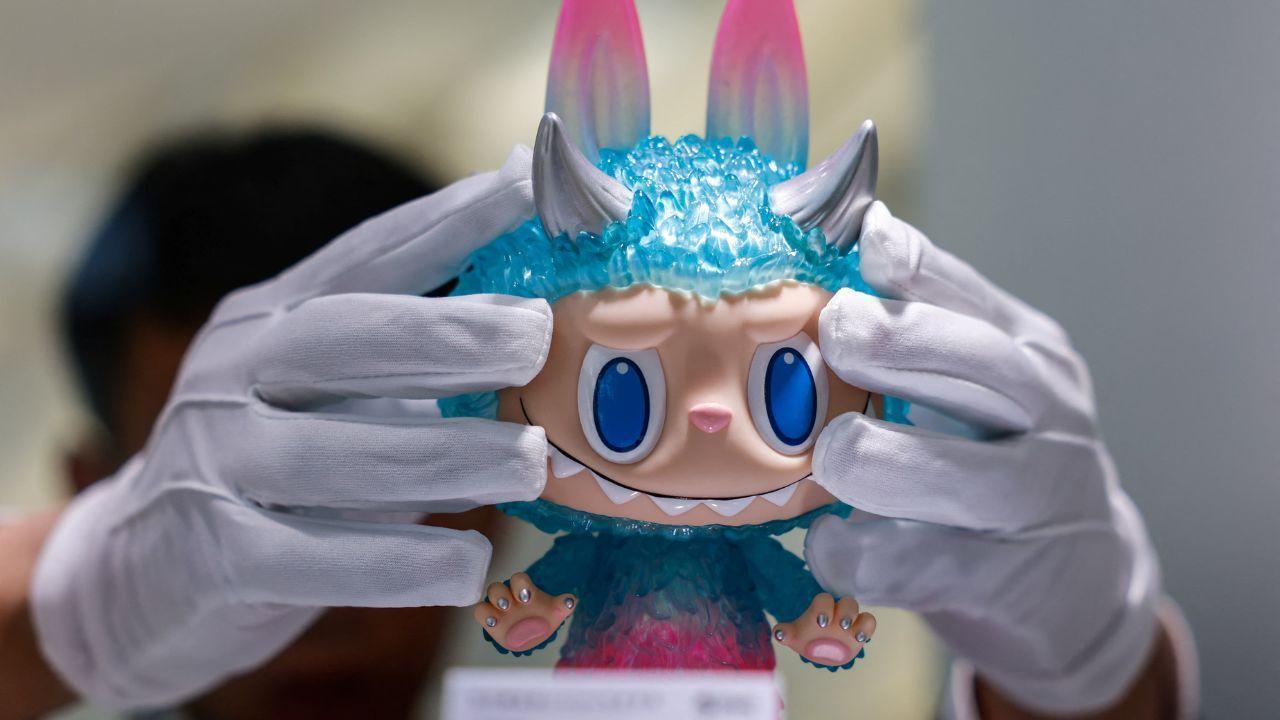
One of the biggest drivers of modern blind box culture is Pop Mart, a Chinese company that specializes in collectible designer toys with an art-meets-kitsch aesthetic. Their characters, such as Molly, Skullpanda, Labubu, and Dimoo, have cult followings. Edmonton has embraced this craze in recent years, with retailers and local cafés partnering with Pop Mart to host exclusive events. For example, a pop-up held at Ocha Boba Café in Edmonton drew crowds of young adults and teens eager to get their hands on newly released blind boxes. Attendees opened boxes on-site, traded duplicates with strangers, and posted their unboxing experiences on social media platforms like TikTok and Instagram.
The Edmonton pop-up was more than just a retail event; it was a cultural moment. Fans arrived early to queue for first access, exchanged stories about rare finds, and displayed entire collections at communal tables. The atmosphere mirrored a mini-convention—a place where fans could connect, share, and celebrate a shared obsession.
The Role of Social Media in Blind Box Popularity
Social media has amplified the blind box phenomenon significantly. Unboxing videos, reveal reels, and “chase hunt” vlogs are everywhere. Content creators regularly film themselves opening boxes in real time, reacting with excitement or disappointment, and inviting followers into the experience. These videos often go viral, creating a feedback loop where viewers are inspired to buy and open their own blind boxes.
Platforms like TikTok and YouTube Shorts have proven especially influential. The short, visually engaging nature of blind box content fits perfectly into the scrolling behavior of modern audiences. Viewers get the dopamine rush vicariously and are often tempted to buy a box themselves to replicate the feeling. As a result, blind box buying isn’t just about owning a product—it’s about participating in a social trend.
The Community Aspect: Sharing, Trading, and Connecting
Blind boxes are also inherently social. While the initial purchase is a solo experience, collectors often seek out others to trade with, display collections, or attend themed events. In Edmonton, local Facebook groups and Discord servers exist specifically for Pop Mart fans and general blind box collectors. These groups allow users to connect with others who may have the piece they’re missing or want the duplicate they own.
Trading events are especially popular—informal meet-ups in parks, cafés, or comic book stores where collectors gather to swap. This trading element adds a layer of interaction that deepens the connection between fans and keeps the community engaged. It’s a hybrid of commerce and community, nostalgia and novelty.
Economic Accessibility: Low Entry Point, High Emotional Return
One reason blind boxes have become so pervasive is their pricing. Most range from $10 to $25, making them an accessible luxury for many. Compared to high-end collectibles, art toys, or designer fashion, a blind box offers a small indulgence with the potential for high emotional payoff. This makes them particularly attractive to students, young professionals, and budget-conscious consumers who still want the thrill of collecting without a massive financial commitment.
This accessibility also makes blind boxes suitable as impulse purchases. Someone might grab one while waiting in line at a boba shop or browsing a bookstore. The relatively low price lowers the psychological barrier to buying "just one more,” often resulting in bulk purchases over time.
Collector Psychology and the Urge to Complete Sets
Many blind box series are designed as collectible sets—typically with 8 to 12 different characters and one ultra-rare chase variant. Once a person has one or two, the urge to complete the set kicks in. This completionist drive taps into another fundamental human tendency: the desire for order and achievement. Collecting all characters feels like a goal, and each purchase inches the buyer closer to that goal. Some brands even include checklists in each box to reinforce this concept, encouraging buyers to “fill in the blanks.”
This leads to repeat purchases, often in quick succession. Some fans even buy full cases (usually containing 12 boxes) in hopes of collecting every figure at once. However, the inclusion of chase variants means even a full case might not yield a complete set, keeping demand and anticipation high.
The Rise of the Secondary Market and Blind Box Resale Economy
Blind boxes don’t just create consumer demand—they foster entire resale markets. Rare figurines or characters often sell for two, three, or even ten times their original price online. Platforms like eBay, Mercari, and Facebook Marketplace are filled with blind box items, both opened and unopened. This economy allows savvy collectors to recoup costs or make profits, while also giving casual fans access to specific characters without having to gamble on box contents.
However, the resale market introduces additional layers of speculation and inflation. A figure initially priced at $15 may spike to $100 if it’s rare enough, creating financial barriers to completing a collection. Some worry that this commercial focus can taint the original spirit of blind boxes—what began as a fun, affordable game of chance morphs into a competitive marketplace.
Criticisms, Ethical Concerns, and Regulatory Oversight
Despite their popularity, blind boxes are not without criticism. Consumer advocacy groups have raised concerns about the gambling-like aspects of the model. The unpredictability, rarity odds, and emotional highs and lows mirror behaviors found in gambling environments. While most buyers participate casually, vulnerable individuals—especially younger buyers—might develop unhealthy spending patterns.
Transparency is another concern. Many brands don’t disclose the actual odds of pulling rare items, making it hard for consumers to make informed decisions. Regulators in some regions have begun investigating whether blind boxes should be classified under gambling regulations. There have also been calls for mandatory odds disclosure, age restrictions, and quantity limits per buyer to protect consumers.
Design Innovation and Brand Strategy
Part of what keeps blind boxes exciting is the constant innovation in design. Brands invest heavily in character development, packaging, and storytelling. Many boxes include lore or backstory cards that make characters feel more alive. Packaging itself is often sleek, artistic, and collectible in its own right. Pop Mart, for instance, collaborates with illustrators and artists to create limited series that appeal not just to toy collectors but also to art lovers.
Brands also use blind boxes as a tool for marketing. Limited-time releases, themed collaborations (e.g., with movies, musicians, or holidays), and exclusive in-store events are common. These keep consumers engaged throughout the year and give them something to look forward to, driving foot traffic to physical stores and brand loyalty over time.
The Future of Blind Boxes: Expansion Beyond Toys
Though most blind boxes today involve toys or collectibles, the model is expanding into other industries. Cosmetics companies now offer blind-box lipsticks or mystery skincare bundles. Fashion brands have dabbled in surprise boxes that ship mystery items based on style profiles. Even tech companies are experimenting with surprise add-ons or gaming loot drops that mirror blind box psychology. As consumers continue craving novelty and surprise, more industries may adopt this mechanic as a way to deepen engagement and boost sales