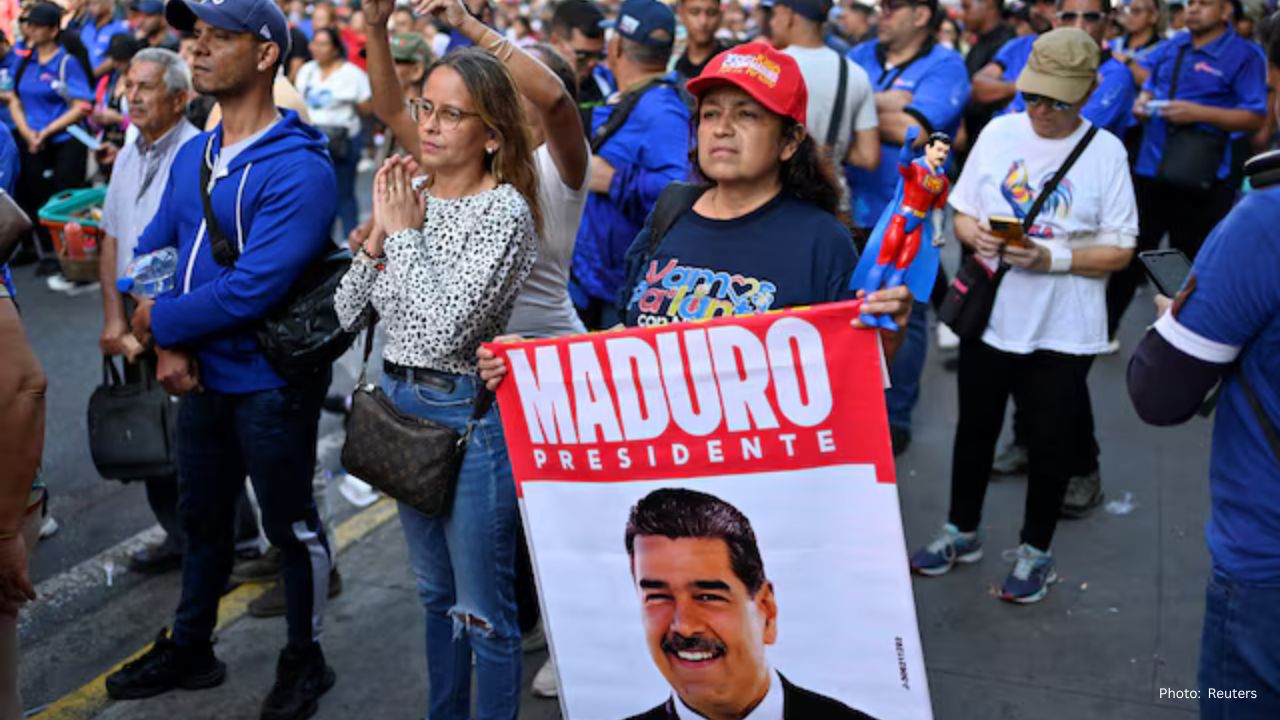
In Caracas, during pivotal political events, authorities detained more than a dozen media workers. The detentions occurred as former President Nicolas Maduro's supporters rallied, coinciding with the swearing-in of a new national assembly.
The Venezuelan national press association reported that 14 media personnel were apprehended on Monday while covering the public gatherings and official activities arising from the country’s evolving political landscape. Fortunately, all 14 were later released, though one foreign journalist was deported.
Most of those detained were affiliated with international media outlets, with only one representing a local source, raising significant alarm among advocates for press freedom. These international journalists are often deemed critical observers during times of political upheaval.
The detentions followed a weekend marked by drastic changes in Venezuela's political scenario, including the U.S. military’s operation that led to Maduro's capture. On Monday, Maduro appeared in court in New York, pleading not guilty to narcoterrorism-related charges, further aggravating the simmering tensions within Venezuela.
As protests unfolded in Caracas, security forces maintained heightened vigilance. Journalists reporting from the scene recounted harassment, identity checks, and temporary detentions while performing their duties. Although most resumed their work or were allowed to leave, this incident has ignited discussions about the risks reporters face in Venezuela.
Reuters reported difficulties in independently verifying the detentions. Requests for comments from Venezuela’s ministries of information and communications about the detentions remained unanswered. Major news organizations also refrained from commenting on whether their personnel were among those held.
Advocates for press freedom argue even temporary detentions can deter journalists from covering compelling stories. When faced with potential detention or deportation, many reporters might shy away from important coverage, restricting the public's access to vital information, particularly during transitions in governance.
Venezuela's government-media tensions are longstanding, with critics pointing to pressures, restrictions, and legal repercussions faced by those covering critical subjects. While authorities defend these measures as necessary for stability during turbulent times, international observers underscore the importance of safeguarding journalistic practices for transparency and the democratic process.
The recent detentions, though short-lived, emphasize the precarious state of press freedom in Venezuela. As the nation navigates significant political changes, the treatment of journalists will remain a closely monitored issue both within and outside of the country.