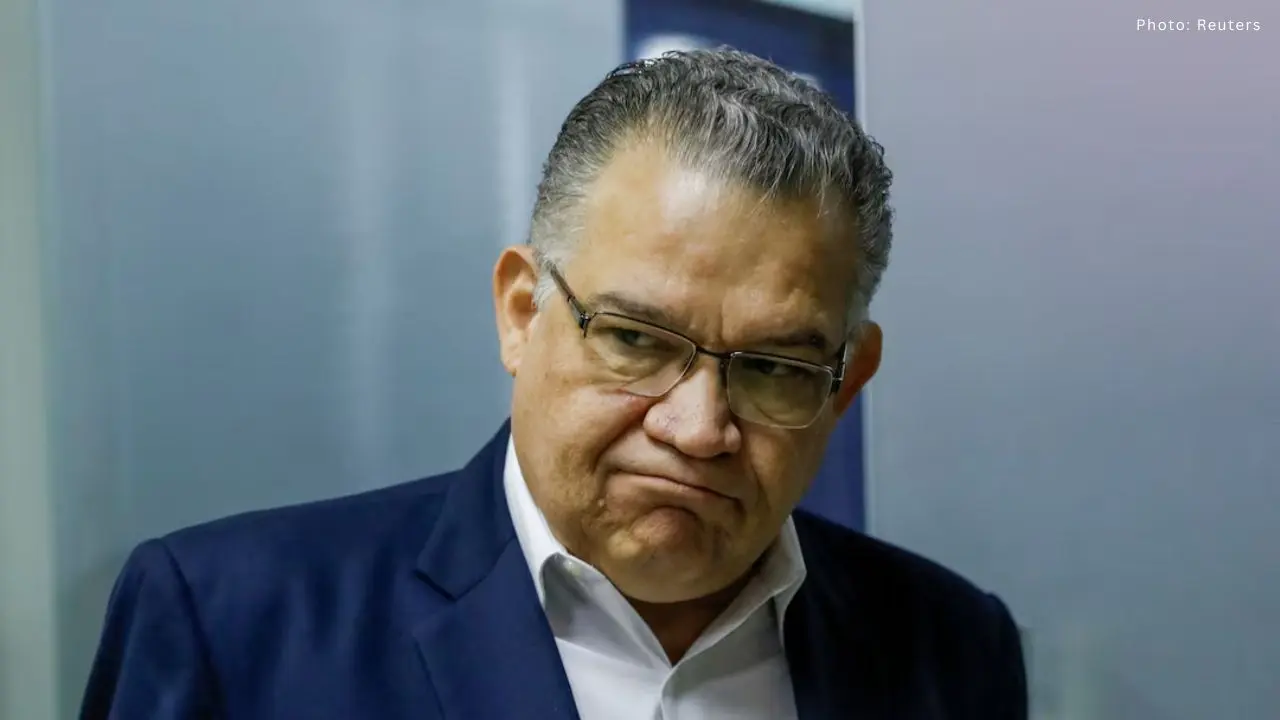
On Thursday, Venezuela saw the release of two prominent opposition figures, drawing significant attention both domestically and internationally.
Footage shared by the rights group Foro Penal and local journalists captured the moment Enrique Marquez and Biagio Pilieri were liberated from detention. Both individuals are recognized leaders within Venezuela’s opposition.
Enrique Marquez, who is 62, previously participated in the presidential election, advocating for an opposition candidate. Biagio Pilieri, a leader of an opposition party, has served as a lawmaker and has consistently criticized the current government.
Their release comes in the wake of broader political transformations in the nation, particularly following the detention of former president Nicolás Maduro by external forces. Many observers interpret this event as indicative of a potential reconfiguration of Venezuela’s political landscape.
Foro Penal confirmed the release, with local media showcasing Marquez and Pilieri greeting supporters outside the detention facility.
While authorities have not released a complete list of those freed, reports suggest that this prisoner release included a larger number of detainees, encompassing various political figures and some foreign nationals.
Venezuela's political climate has long been fraught with tension between governmental authorities and opposition groups. Human rights organizations assert that numerous individuals have faced detention due to their political affiliations or activities. They continue to advocate for the release of everyone detained for political reasons.
The liberation of Marquez and Pilieri is poised to have lasting political and social repercussions in Venezuela. Many opposition supporters perceive this development as a promising sign towards increased political openness and equity. However, it is noted that numerous others remain imprisoned, and that substantial reforms will necessitate ongoing commitment and defined legal adjustments.
Internationally, reactions have varied. Some governments and human rights groups applauded the release of the opposition leaders, while others urged for further actions to ensure fair treatment for all political detainees.
The situation in Venezuela is intricate. Despite the optimism surrounding the release of these leaders, analysts emphasize the critical need for clear electoral plans, adherence to human rights, and a stable governance framework as the country moves forward.
This release is part of Venezuela's ongoing efforts to rejuvenate its political framework, tackle economic issues, and rebuild citizen trust. The full implications of these changes are expected to unfold in the upcoming weeks and months.