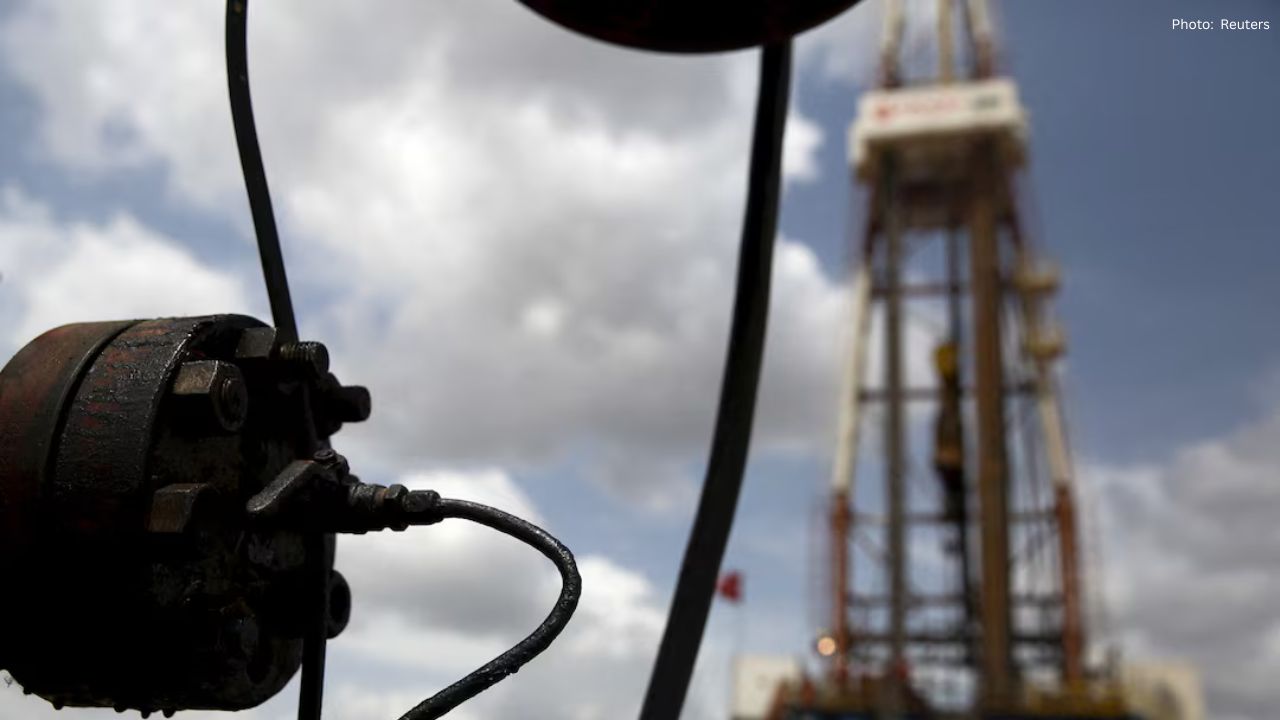
Venezuela has committed to exporting crude oil valued at $2 billion to the United States, a pivotal agreement that transforms energy dynamics and U.S.-Venezuela relations. Announced by President Trump, this deal will redirect oil previously destined for China, aiming to ship between 30 million and 50 million barrels of crude to U.S. ports.
This agreement comes at a crucial juncture for Venezuela's oil sector, which has faced significant challenges due to tight U.S. sanctions, decreasing production rates, and lack of storage space. Trump indicated that oil sales would occur at market prices, with proceeds managed by the U.S. government to ensure mutual benefits for both nations.
For Venezuela, this deal represents a potential solution to an urgent crisis, as the country has large quantities of oil accumulated in tankers and storage, unable to be exported since a U.S. blockade began mid-December. Without new markets, Venezuela risked severe production cuts due to storage limitations.
This blockade coincided with escalating U.S. pressure on President Nicolás Maduro's government, culminating in U.S. forces apprehending Maduro to face drug-related charges. Venezuelan officials have denounced this act as a kidnapping and alleged U.S. attempts to seize control of the country's oil resources.
Following Maduro’s ousting, Delcy Rodriguez assumed the role of interim president. Trump has called for her administration to facilitate extensive U.S. access to Venezuela’s oil sector, warning of further repercussions otherwise. This oil export agreement signals Caracas's responsiveness to these demands.
Under the terms of the new deal, oil shipments initially meant for China are now set to be diverted to the U.S. China has been Venezuela’s primary oil market for the last ten years, particularly after U.S. sanctions prompted many Western enterprises to withdraw. This shift is significant for Venezuela's trade relations.
Cehvron remains the only American company permitted to export Venezuelan oil, facilitating shipments of 100,000 to 150,000 barrels daily through partnerships with Venezuela’s state-owned PDVSA. Despite existing sanctions, Chevron continues to manage oil shipments to the U.S.
The extent to which Venezuela can access funds from these oil sales remains uncertain, as sanctions have isolated PDVSA from global finance, freezing its assets and blocking U.S. dollar transactions. Venezuela has been selling its primary crude product, Merey, at significant discounts, estimating the agreement's overall value around $1.9 billion.
Negotiations between U.S. and Venezuelan representatives have also discussed potential auction processes where U.S. buyers could bid on oil shipments and issuing specific licenses to PDVSA partners, which previously allowed international companies to refine or market Venezuelan oil.
Moreover, discussions have emerged regarding the possibility of Venezuelan oil contributing to the U.S. Strategic Petroleum Reserve, although Trump has not explicitly mentioned this scenario.
U.S. Interior Secretary Doug Burgum expressed optimism about the influx of Venezuelan oil, suggesting it would benefit American employment, fuel pricing, and aid Venezuela’s economic recovery, emphasizing the potential for American investment and technology to help rebuild the country’s economy.
U.S. Gulf Coast refineries are adept at processing Venezuela's heavier crude, having previously imported around 500,000 barrels daily before sanctions took effect. Market response to the deal was swift, as U.S. crude prices fell over 1.5%, prompting adjustments in pricing for heavy oil.
This agreement underscores the intersection of energy, politics, and influence, illustrated by how energy deals can stabilize oil markets and mitigate economic devastation in Venezuela while precipitating complex questions regarding sovereignty, sanctions, and the rightful control of oil trade benefits.
In the upcoming period, the implications of this agreement will shed light on whether it fosters recovery for Venezuela or merely adds another chapter to its prolonged struggle marked by external pressures and political discord.