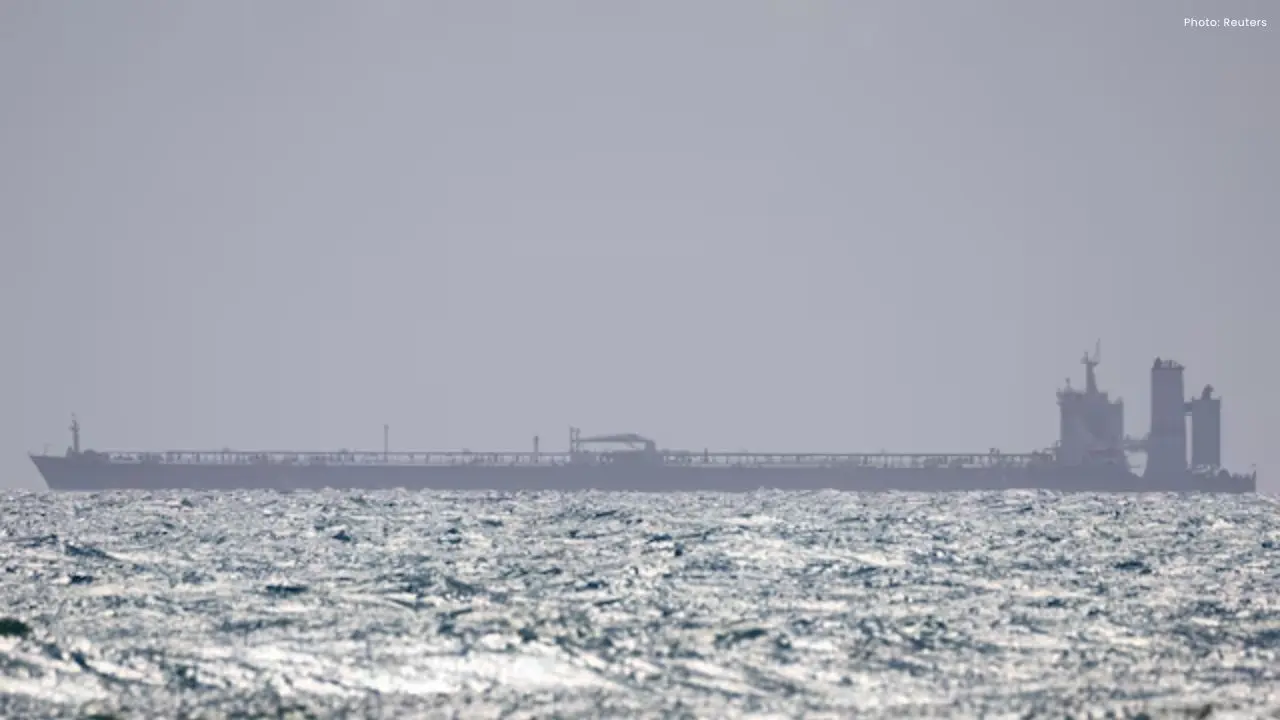
U.S. officials have announced that the government will return a seized oil tanker to Venezuela, a surprising move for those monitoring the U.S. stance on Caracas. The vessel, named M/T Sophia and flying the Panama flag, was detained earlier this month as part of a broader initiative to disrupt Venezuela's oil trafficking.
On January 7, U.S. Coast Guard, with military backing, intercepted the M/T Sophia. At the time of the seizure, U.S. authorities indicated that the ship was transporting oil and categorized it as a sanctioned vessel associated with an alleged "dark fleet," which is known for concealing its identity to evade sanctions.
In recent months, the U.S. has intensified actions against oil tankers connected to Venezuela, having seized at least seven ships involved in sanctioned oil activities since late last year. The goal of these measures is to diminish significant revenue streams for the Venezuelan government.
While U.S. officials confirmed the return of the tanker to Venezuelan authorities, they provided no insight into the rationale behind the decision. It remains uncertain whether the Sophia still carries any oil. Neither the U.S. Coast Guard nor Venezuela's communications ministry responded to requests for clarification.
This announcement comes amid escalating tensions between Washington and Caracas, with President Donald Trump placing a strong emphasis on Venezuela in his Latin American policy. Following unsuccessful diplomatic efforts to dethrone President Nicolas Maduro, Trump ordered a major military operation earlier this month aimed at capturing both Maduro and his wife. Subsequently, Trump has claimed intentions for the U.S. to eventually take control of Venezuela's oil resources as part of a larger $100 billion initiative to revitalize the struggling oil sector.
Earlier this month, the Sophia and another seized tanker were detected near Puerto Rico. Many of the vessels targeted by the U.S. have surpassed 20 years of service and lack appropriate safety certificates and insurance. Experts in shipping have alerted to the environmental and safety risks posed by these aging tankers.
In the absence of valid insurance, it becomes exceedingly challenging to assign liability in the event of a collision or oil spill. This complicates cleanup operations and the pursuit of compensation claims, according to experts in the shipping and insurance sectors.
Adding a further dimension, Dubai-based ship recycling firm GMS has sought a U.S. permit to acquire and dismantle vessels seized by the government linked to Venezuelan oil trading. This indicates Washington’s ongoing consideration of stringent measures to permanently eliminate unsafe and sanctioned ships from global waters.
The decision to relinquish the M/T Sophia without a comprehensive public rationale raises questions regarding the future of U.S. sanctions enforcement. Although the overall campaign against Venezuelan oil trade persists, this incident sheds light on the uncertainty and complexity of U.S. policy.
As global energy markets, shipping companies, and international governments keep a close watch on the situation, the transfer of the tanker illustrates how swiftly strategies can evolve in the ongoing conflict over Venezuela's oil and political landscape.