Incident Timeline & NORAD’s Response
On Tuesday, July 15, 2025, a small Cessna 172 took off from Victoria International Airport around 1:00 p.m. PDT with a single occupant aboard. Roughly 13 minutes later, air traffic control at Vancouver International Airport (YVR) alerted nearby commercial flights about a “rogue aircraft” circling at approximately 500 ft over YVR. The pilot reportedly declared the aircraft hijacked and intimated an ideological or protest-related motive while holding another individual on board at gunpoint. In response, NORAD activated its Western Air Defence Sector.
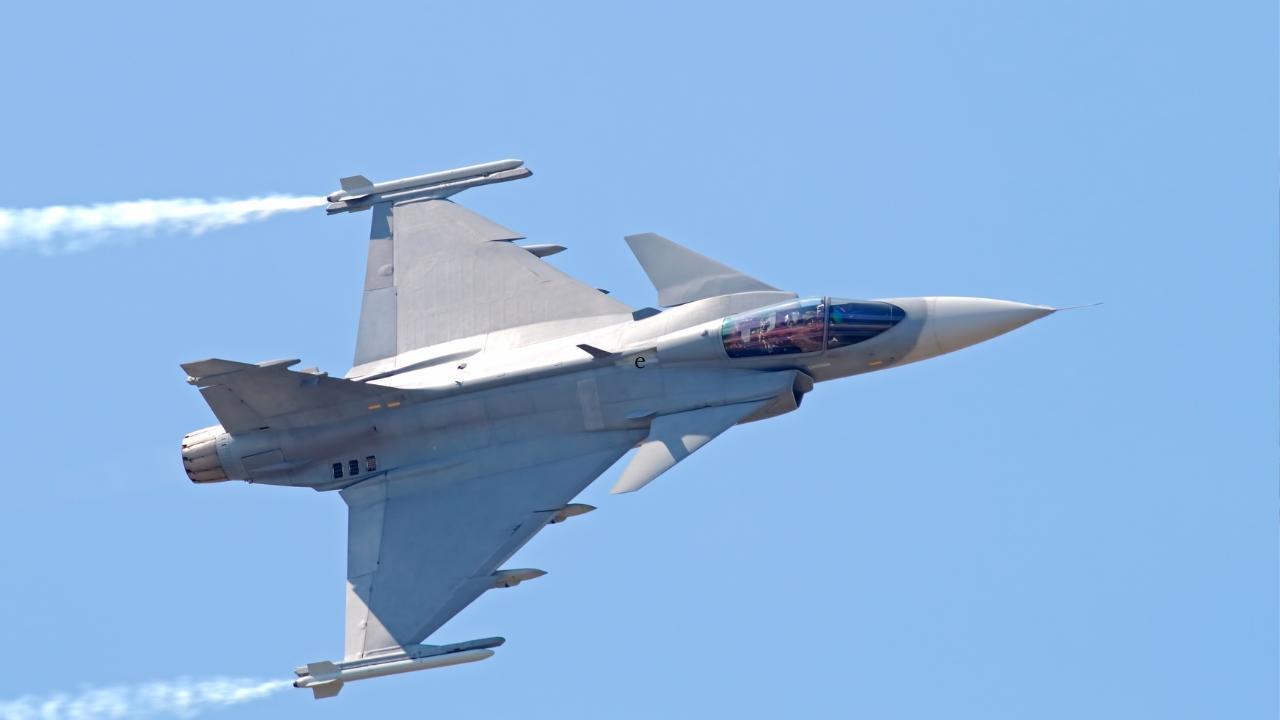
F‑15 Eagle jets from the U.S. and CF‑18 Hornets from Canada were readying for intercept by around 1:30 p.m. but were still inbound when the Cessna descended and landed at YVR north runway around 1:45 p.m. Once confirmed on the ground, NORAD stood down the fighters. No engagement or shots were fired; the response was precautionary and measured.
Air Traffic Disruption & Passenger Precautions
YVR implemented a 39-minute ground stop during the incident, delaying departures and diverting arrivals to nearby airports. One commercial pilot on the tarmac reported being informed by controllers that the unknown aircraft “could maneuver as necessary” and that its intentions were uncertain—underscoring the tension in the tower during the event.
Suspect, Charges & Motivation
Upon landing, authorities took the lone occupant into custody. Identified as 39-year-old Shaheer Cassim, a former Victoria-based commercial pilot with climate activism ties, he faces charges under Canada’s Criminal Code for hijacking—also categorized as a terrorist offence—and potentially other air safety-related counts. Reportedly, Cassim commandeered the Cessna by threatening a flight instructor, aiming to fly toward Vancouver as an act of ideological protest .
Aircraft & Operator Background
The Cessna 172 is a four-seat, single-engine light aircraft commonly used in training. This particular aircraft was operated by the Victoria Flying Club, which confirmed the incident was under active investigation. The Cessna cruised at about 500 ft above YVR for roughly 25 minutes before landing, drawing attention to NORAD’s ability to detect and respond swiftly to low-altitude threats.
NORAD Interoperability & Response Geography
NORAD’s statement indicated that both U.S. and Canadian fighter jets were scrambled, with F‑15s launching from Joint Base Lewis‑McChord near Tacoma, Washington, and CF‑18s in route from Canadian bases. Because the aircraft landed before intercept, no visual intercept occurred. NORAD did not share specific numbers or base locations due to operational security, but confirmed readiness of both countries' aircraft.
Pilot & Air Traffic Communications
Recorded communications from YVR tower reveal heightened caution. Controllers labeled the Cessna a “rogue aircraft,” and requested nearby pilots maintain lookout. One exchange included:
“We don’t know… their intention.”
“Could last a couple hours.”
“Maybe the ’70s [was last hijack].”
These transcripts capture the uncertainty and tension gripping the airport staff and pilots at the time.
Protest vs. Hijacking: Legal Distinctions
Experts note that taking control of an aircraft by force constitutes hijacking, regardless of being a protest. Analysts caution against downplaying the severity, even if no secondary perpetrator was aboard. To legally qualify as a hijacking or terrorist act, intent and coercion matter greatly—criteria being pursued by prosecutors.
Media, Public Reaction & Social Commentary
Passengers at YVR shared their unease on social media, noting the unusual presence of fighter jets overhead. Reddit users discussed Canada’s air defence posture:
“That’s literally how NORAD works.”
“The U.S. jets were still en route…”
“Nearest Canadian military base … is Cold Lake.”
Many comments focused on cross-border coordination and how NORAD managed the response effectively without escalation.
Historical Precedents & NORAD Preparedness
This incident echoes historical episodes such as the post-9/11 Korean Air Flight 085, where NORAD deployed F‑15s from Elmendorf AFB to intercept a suspected threat. Similarly, Operation Yellow Ribbon in 2001 demonstrated Canada’s capacity to protect airspace collaboratively. These past actions validate modern NORAD protocols that integrate rapid, binational responses.
Legal Process & Next Judicial Steps
Cassim is scheduled to appear in B.C. Provincial Court on July 22, facing charges of hijacking and related offences. Prosecutors may seek additional charges tied to aircraft safety and threats to civil aviation. Pre-trial hearings will examine intent, mental state, and any external communications.
Airport Protocols & Security Review
YVR and NAV Canada are conducting internal reviews of air traffic procedures and coordination mechanisms used during the incident. Lessons are likely to include timing thresholds for scrambling jets versus maintaining containment with tower communications, and improving pilot advisories.
Public Safety Takeaways & Community Impact
Local authorities—and NORAD—stress this event highlights the importance of vigilance and public awareness of anomalous aircraft activity. While rare, hijacking threats in civilian airspace demand swift action and inter-agency cooperation to protect aviation safety.
Long-Term Implications & NORAD Future Readiness
Though the incident concluded calmly, it reminds us that low‑profile aircraft with malicious intent can pose unpredictable risks. Analysts foresee possible policy discussions on mandatory transponders, reinforced cockpit security even in small planes, flood of protest-inspired airspace breaches, and continued patrol readiness.
The July 15 scramble showcased NORAD’s operational readiness, binational coordination, and effective containment of an alleged hijacking. Although no weapons were drawn and no one was harmed, the event underscores the persistent importance of vigilance in civilian airspace and reassures Canadians that continental defence mechanisms function as intended—even in less conventional scenarios.