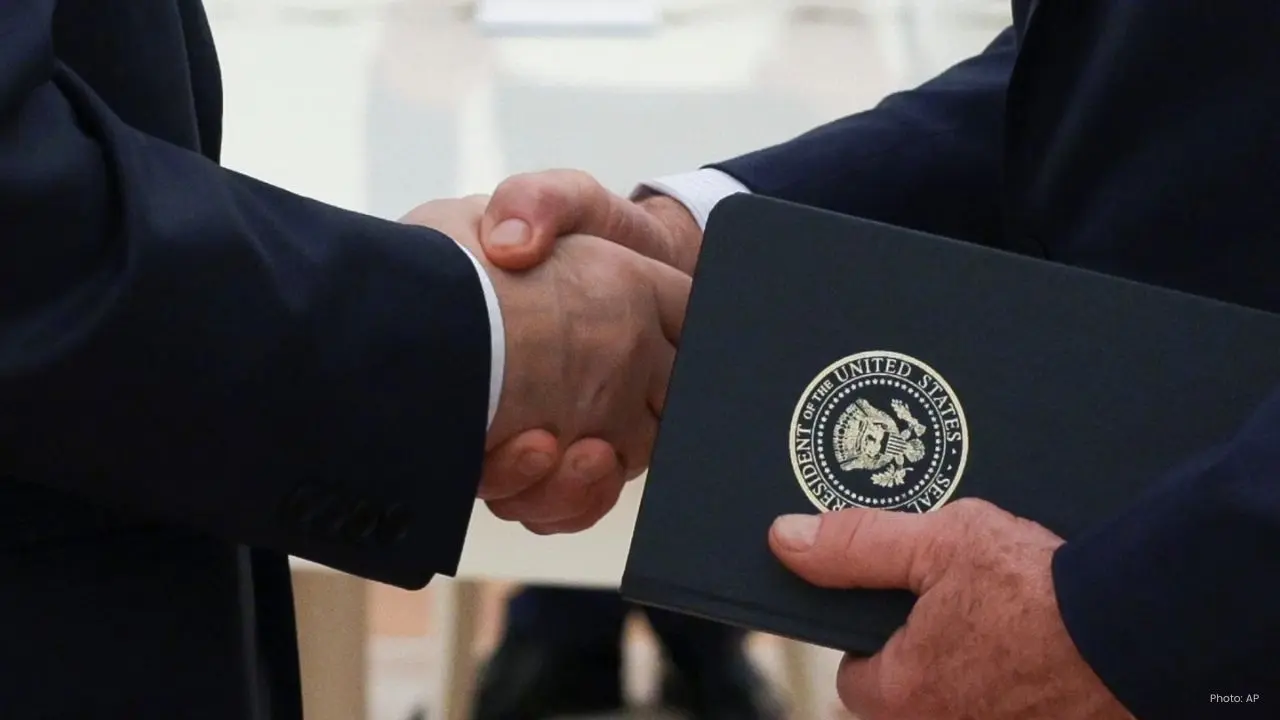
The ongoing conflict between Russia and Ukraine is at a pivotal moment, as U.S.-driven diplomacy seeks to reconcile stark differences between Kyiv and Moscow. Recently, high-ranking Ukrainian officials participated in discussions in the U.S., with American representatives set to fly to Moscow this week.
Initially proposed by former President Donald Trump, the peace plan has faced backlash for seemingly favoring Russia. After amendments made in Geneva, Ukraine's leaders have cautiously labeled the proposal as “workable,” while Russia indicates it could form a “basis” for further dialogues.
Despite some positive remarks, significant hurdles still need to be addressed. Central questions revolve around the potential territorial compromises for Ukraine and establishing long-term security assurances.
Engagements in U.S. and Moscow
Over the weekend, high-level meetings were held between U.S. officials and Ukrainian representatives, including national security chief Rustem Umerov. Describing the discussions as “productive,” U.S. officials provided limited details on the outcomes.
Meanwhile, Trump has sent envoy Steve Witkoff to Moscow to engage with President Vladimir Putin. Although Trump indicated a potential summit with both leaders may occur, he emphasized the necessity of achieving substantial progress beforehand.
Enduring Divisions
The original peace proposal included several concessions to Russia, such as territorial give-ups and the acknowledgment that Ukraine might withdraw from NATO aspirations. Led by President Volodymyr Zelenskyy, Ukraine firmly opposes any land losses, prioritizing NATO membership and strong security guarantees.
Conversely, Moscow maintains that a Western peacekeeping presence in Ukraine is off the table and insists Ukraine should remain non-NATO. Putin has reiterated that he will achieve Russia's objectives—encompassing the control of four regions annexed in 2022—by force if necessary.
Political Dynamics at Play
Zelenskyy is confronted with internal turmoil, notably including the resignation of his former chief negotiator Andrii Yermak amid corruption allegations. Conversely, Russia appears confident in its stance, with Kremlin officials observing that Moscow can afford to wait for Ukraine to capitulate to its terms.
In Europe, NATO and EU leaders convene to deliberate ongoing military support and the management of frozen Russian assets in Belgium, a contentious element in the initial U.S. blueprint. Some EU officials are expressing hesitations over the potential legal and economic ramifications.
The Diplomatic Terrain Ahead
Even as both Kyiv and Moscow express support for diplomatic routes, the disparity between their respective “red lines” remains vast. Analysts suggest that any substantial advancements will demand a careful balancing of security guarantees for Ukraine while meeting Russia's pivotal demands, without risking European stability.
As talks ramp up this week, the global community observes attentively, conscious that minor achievements or miscalculations could have far-reaching consequences for the war's course and prospective peace outcomes.