In a remarkable achievement, the U.S. bond markets thrived in 2025, delivering the finest returns investors have seen since 2020. A combination of reduced interest rates and a steady economic climate propelled bond prices higher. Yet, analysts are cautious as they predict more obstacles in 2026, indicating a potential slowdown in returns as market dynamics shift.
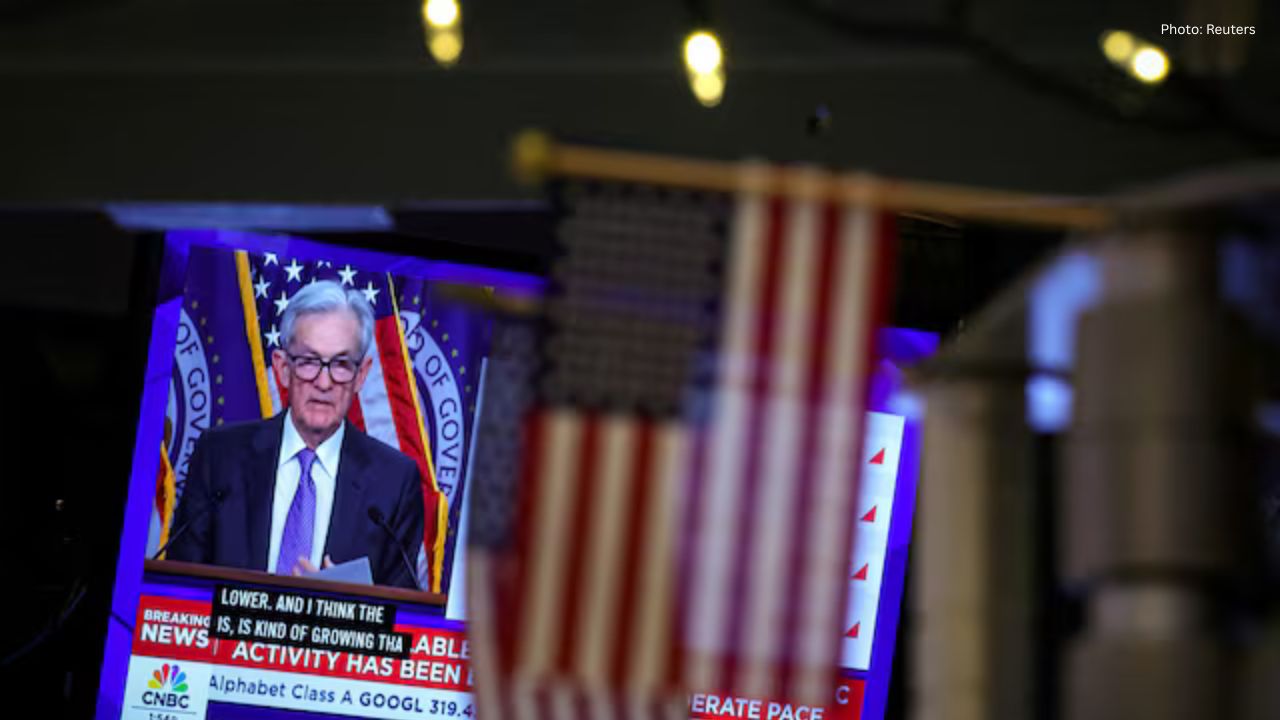
Throughout 2025, the U.S. Federal Reserve enacted interest rate cuts totaling 75 basis points. These reductions enhanced the allure of bonds, as existing bonds with greater interest payments gained value. This led both government and premium corporate bonds to perform notably well over the course of the year.
Market data reveals that the Morningstar US Core Bond Index, which encompasses significant government and corporate bonds, yielded approximately 7.3% in 2025. This remarkable performance marked the highest return from the bond market in five years. Additionally, a robust U.S. economy enabled companies to maintain profitability, mitigating risks related to corporate bonds.
As we look toward 2026, the landscape appears less promising. Investors anticipate that the Federal Reserve will decelerate its rate-cutting initiative. Current market projections suggest a modest easing of around 60 basis points in the coming year, a reduction compared to 2025. This decrease in rate cuts could offer less support for bond prices than in the previous year.
Fiscal policies pose another issue. The new tax incentives and spending initiatives under President Donald Trump are predicted to stimulate economic growth. While this growth is generally beneficial, it may also lead to rising long-term interest rates. An increase in long-term rates usually leads to declines in prices of long-duration bonds, thereby diminishing overall returns.
Experts argue that the disparity between short-term and long-term bond yields might become more pronounced. Should the Fed implement further rate cuts, short-term bond yields might continue to decline. Conversely, long-term yields could escalade if economic expansion accelerates and government borrowing increases.
The 10-year U.S. Treasury yield saw a significant decline in 2025, finishing the year close to 4.1%. Most analysts do not foresee a comparable drop in the coming year. Some top banks predict a slight rise in the yield by the conclusion of 2026, which may restrict profits for long-term bond holders.
Corporate bonds also face scrutiny. Investment-grade bonds displayed remarkable strength in 2025, with returns around 8%. Credit spreads—indicating the relative risk of corporate bonds compared to government bonds—are now at their lowest levels seen in decades, providing limited room for further improvement.
Some analysts caution that credit spreads could widen in 2026, particularly if major tech firms increase their debt issuance. Wider spreads generally lead to lower bond prices and diminished returns. Conversely, others are more optimistic, asserting that high-quality bonds could continue to perform adequately if the economy decelerates more than anticipated.
In summary, although U.S. bonds experienced a stellar performance in 2025, experts consensus indicates that 2026 will demand a more cautious strategy. While gains may still be attainable, replicating last year's remarkable successes will prove challenging. Investors should prioritize quality and balance as they navigate an evolving economic landscape.