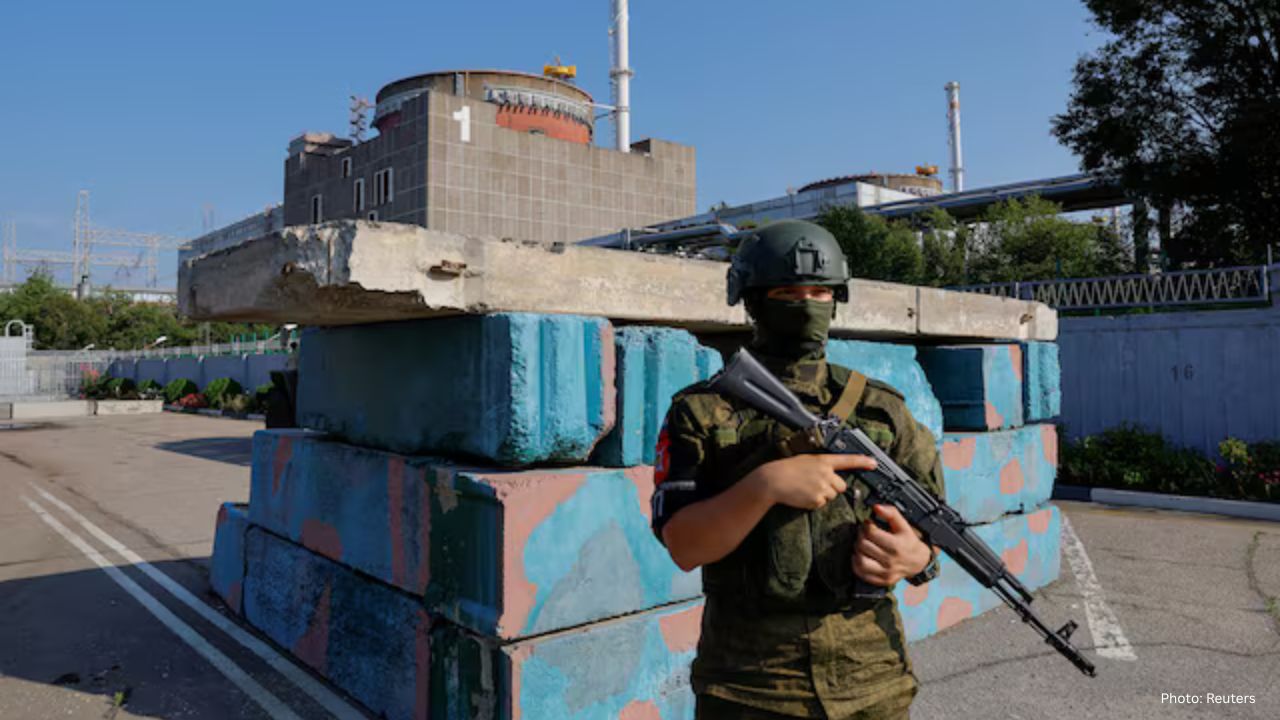
The fate of the Zaporizhzhia nuclear power plant, the largest in Europe, is a complex issue in the ongoing Russia-Ukraine conflict. Under Russian control since March 2022, discussions surrounding the plant have intensified as peace negotiations evolve involving Ukraine, Russia, and the United States.
Located in Enerhodar, near the Dnipro River, the facility has six reactors that previously supplied a significant portion of Ukraine's electricity. Currently, all reactors are in a “cold shutdown” state, halting electricity production while requiring constant cooling.
Ukraine asserts ownership of the plant according to international law, a stance largely supported by many nations. Conversely, Russia claims it as part of its territory, placing it under the management of Rosatom, the Russian state nuclear firm, resulting in heightened political tensions.
Ukrainian President Volodymyr Zelenskiy revealed that the U.S. proposed a joint management approach involving Ukraine, the U.S., and international oversight. This could include shared electricity provisioning under agreed terms. On the flip side, Russia is pursuing a different plan that hints at cooperation with Washington while sidelining Ukraine, highlighting the complexity of the situation.
Safety concerns loom large. The International Atomic Energy Agency has repeatedly warned about the risks posed by military actions near the facility. Numerous interruptions to power lines have forced reliance on emergency diesel generators for cooling, creating potential hazards from prolonged power losses.
Water supply is another critical issue. The 2023 destruction of the Kakhovka dam has drastically lowered water levels necessary for cooling reactors and handling spent nuclear fuel, raising alarms about the plant's operational safety.
Russia aims to reactivate the plant to mitigate electricity shortages in its controlled areas and possibly southern Russia, which Ukraine vehemently opposes. They caution that restarting reactors without proper oversight could trigger a nuclear disaster. Experts suggest, even if Ukraine regains control, it could take years for inspections and repairs before any safe reboot.
Amidst Russian assaults damaging much of Ukraine's energy infrastructure, the nation desperately needs the energy supply from the Zaporizhzhia plant, which could significantly alleviate blackouts, especially during the winter months.
Currently dormant, the plant is protected by military personnel rather than energy specialists. Its future hinges not only on ensuring technical safety but also on navigating uncertain political landscapes. As negotiations slowly progress, the Zaporizhzhia nuclear power plant continues to symbolize the perils of the ongoing conflict and remains pivotal in addressing the region's energy stability and security.