Photo:AP
Malnutrition and Destruction Surge in Gaza Amid Continuing Airstrikes
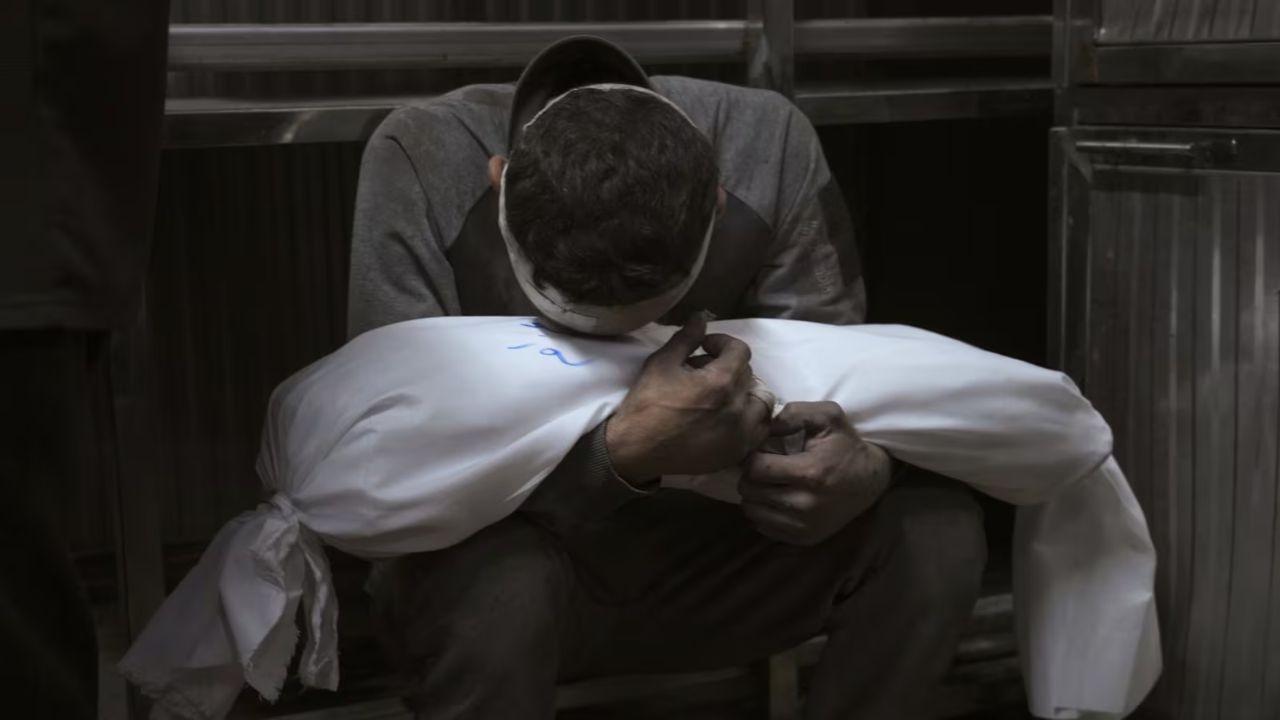
In mid-July 2025, fresh data from United Nations agencies and Gaza health authorities painted a grim picture: child malnutrition in Gaza has more than doubled since March, with over 10% of children under five now severely affected. At the same time, ongoing Israeli airstrikes killed over 90 Palestinians—including numerous women and children—within just 24 hours. This dual crisis—famine-like conditions and relentless military action—has intensified one of the worst humanitarian catastrophes in modern history.
Rising Malnutrition Among Gaza’s Children
Since Israel tightened its blockade in March, cutting off nearly all forms of aid, malnutrition rates in Gaza have skyrocketed. Clinics run by UNRWA have screened almost 16,000 children under age five in June, finding 10.2% acutely malnourished—nearly double the 5.5% recorded in March. UNICEF separately documented approximately 5,800 malnutrition cases in June, quadrupling February figures. Severe malnutrition is spreading across all age groups, including pregnant and breastfeeding women, whose weakened conditions place both mother and baby at heightened risk.
Nutrition experts warn that Gaza is entering famine-like conditions—a man-made disaster exacerbated by the destruction of farmland, bakeries, and food markets. As internal food production has collapsed, families rely on aid deliveries that remain perilously low: only around 70 truckloads entered daily after a partial easing in May, compared to the hundreds needed to meet basic needs.
Widespread and Devastating Airstrikes
The surge in hunger comes as Gaza faces relentless aerial bombardment. Health officials reported that more than 90 civilians were killed in just one day, including entire families sheltering in homes, tents, and refugee camps. In Shati refugee camp and in Tel al-Hawa district, strikes killed entire households—leaving devastated neighborhoods, hospitals overwhelmed with hundreds of wounded, and survivors traumatized. Such attacks continue despite military claims of avoiding civilian targets, fueling accusations from humanitarian observers that many strikes violate international law.
Critical Healthcare Under Siege
The brutal combination of starvation and bombardment has crippled Gaza’s healthcare infrastructure. Hospitals are collapsing from fuel shortages, damaged buildings, and catastrophic lack of medical supplies. Doctors report performing emergency care without basic anesthesia, sterile equipment, or life-sustaining medicine. Widespread infectious diseases like diarrhea, respiratory infections, scabies, and jaundice are spreading among malnourished children. Without urgent intervention, pediatric wards and neonatal units risk becoming ground zero for avoidable child deaths.
Humanitarian Aid Barred and Blocked
Operating aid within Gaza has become increasingly perilous. Heavy bombardment, destroyed infrastructure, and Israeli restrictions have drastically impeded deliveries. International agencies face delays or denials for security clearance; many aid workers have been killed or injured. Simultaneously, a new U.S.-Israeli–backed Gaza Humanitarian Foundation has taken over a few militarized aid distribution centers, but tens of thousands of Palestinians have died under deadly crowd control actions near these hubs. UN agencies refuse to cooperate with the Foundation, emphasizing that its model exacerbates inequities and endangers civilians.
Famine and Starvation: A Man-Made Crisis
The combined impact of blockade and bombardment has led to catastrophic hunger. The UN Office for the Coordination of Humanitarian Affairs warned that Gaza now faces the most severe levels of deprivation recorded on the Integrated Food Security Phase Classification scale. More than half the population—over one million people—is on the brink of famine. Reports from the field describe families surviving on watery soup, lentils, or even milk-diluted water. Breastfeeding mothers are suffering so severely that many are unable to produce milk, forcing reliance on dangerous substitutes. The collapse of local food systems has turned Gaza into a region where hunger weapons are under deliberate state control.
Global and Diplomatic Fallout
International outrage over Gaza’s plight has grown, with warnings that Israel’s siege may constitute the use of starvation as a weapon of war, a potential violation of international humanitarian law. Several countries, including members of the European Union, are weighing sanctions, arms embargoes, or restrictions on diplomatic cooperation. Despite diplomatic efforts—spanning American, EU, and regional actors—no ceasefire has been reached. Aid remains insufficient, and the blockade continues largely intact.
Voices from the Ground: Testimonies of Suffering
Humanitarian workers and affected families describe heartbreaking scenes. A pregnant woman, Fatima, spoke of her deteriorating health and fear for her unborn child. Clinics report surging admissions for malnutrition, while health staff recount treating infants with nothing more than glucose solution. In makeshift soup kitchens, volunteers burn wood to cook meager meals, rescuing hundreds daily. But as fuel runs out, even these lifelines risk collapse.
A Humanitarian and Moral Reckoning
Gaza is now a crucible of intensified suffering: war, hunger, disease, and destruction feeding off each other. The shortages of fuel, food, water, and medicine have created a harsh equation of life and death. For Palestinians, the sense of being “trapped, starved, and bombed” has become tragically normalized.
Yet, amid the despair, some glimmers of resilience show: community kitchens, makeshift clinics, and advocacy by affected families. International outcry is pressing for immediate humanitarian pauses or ceasefires. Aid agencies continue to call for a full reopening of crossings, a restoration of independent aid distribution, and a halt to frontline violence.
Looking Ahead: What Must Change
The accelerating crisis demands urgent, dramatic action:
-
Immediate and sustained increase in humanitarian aid: hundreds of daily truckloads with food, water, medical supplies, fuel, and sanitation resources.
-
Ensuring aid access via civilian routes and protection zones defined by the UN, free from military control.
-
Ceasefire agreements to allow medical evacuations, safe corridors, and aid distribution.
-
International investigation into allegations of using starvation as a method of warfare—potentially a war crime.
-
Long-term rebuilding of Gaza’s medical, food, and water systems under international supervision.
Without these drastic measures, children will continue to die of preventable causes, hospitals will collapse completely, and Gaza will emerge not just as a war zone but as a silent graveyard of human suffering.