As the Bangladesh Premier League (BPL) 2026 faces challenges this week due to a player-led boycott, the Bangladesh Cricket Board (BCB) has found itself compelled to alter the tournament schedule and dismiss a key official. This turmoil highlights rising tensions between players and administrators, casting doubts on governance in the nation’s premier T20 league.
The issue ignited when M Nazmul Islam, the BCB’s Finance Committee Chairman, mischaracterized former national captain Tamim Iqbal as an “Indian agent” after the latter proposed discussions with the Board of Control for Cricket in India (BCCI) concerning the 2026 T20 World Cup venue. Those comments sparked outrage among players and the cricketing community.
In retaliation, the Cricketers Welfare Association of Bangladesh (CWAB) spearheaded the boycott, with notable international players such as Najmul Hossain Shanto and Mehidy Hasan Miraz refusing to participate. Immediate consequences followed, as matches set for January 15 at the Sher-e-Bangla National Stadium were called off due to teams failing to show up.
Confronted with the potential failure of its key tournament, the BCB acted promptly. Following an emergency meeting, it announced the removal of Nazmul Islam from his role as Finance Committee Chairman. The board conveyed that this decision was made to ensure the “smooth and effective functioning” of its operations and to preserve the “honour and dignity” of all players involved.
As a result of this administrative shake-up, the BCB released an updated schedule for the BPL 2026:
Matches originally slated for January 15 have been rescheduled to January 16.
Matches scheduled for January 16 and 17 are now set for January 17 and 18 respectively.
The Eliminator and Qualifier 1, originally due on January 19, will occur on January 20.
Despite these revisions, player dissatisfaction lingers. They are primarily seeking a public apology from Nazmul Islam and his total removal from the BCB. This situation underscores the players' growing influence in cricket and their demand for respect from governing bodies.
The BPL stands as Bangladesh's premier T20 competition, crucial for showcasing local talent while enhancing the nation's cricketing reputation. Such disruptions not only compromise the tournament's integrity but also impact the morale of supporters and aspiring young cricketers.
The incident reminds cricket boards of the necessity for transparent communication and respect toward players. Although the adjusted schedule permits the continuation of the BPL, ongoing governance and player relationship issues need prudent resolution to avert future disruptions.
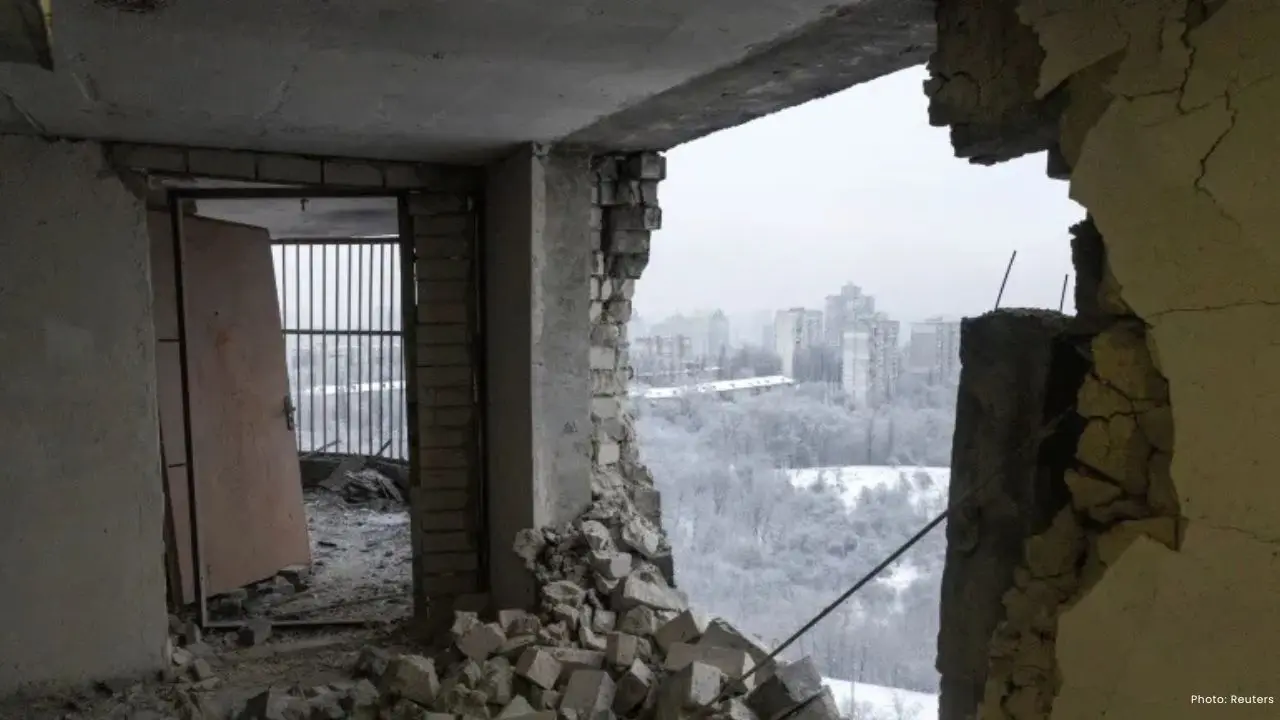
Bangladesh cricket finds itself at a pivotal juncture: maintaining a balance between board power and player rights while ensuring the BPL's competitiveness and standing. How the BCB navigates these issues will likely shape cricket administration in the coming years. Meanwhile, the Ukraine war enters its 1,422nd day, bringing relentless adversities to civilians. As winter deepens, attacks on energy facilities exacerbate hardships for millions across Ukraine, where homes lacking heat and power have become a common struggle.
Recent Russian strikes have targeted critical energy infrastructure, particularly within larger cities. In Kyiv, numerous buildings were left without heating amidst freezing temperatures. Local officials acknowledged the sluggish pace of repairs, with some neighborhoods potentially facing prolonged periods without reliable power.
Regions near the conflict’s front lines are seeing increased tensions. In the Sumy area, a bomb strike resulted in one civilian casualty and injuries to others, damaging local homes and facilities, thus forcing families to seek safer locations. Ongoing bombardments in eastern and southern territories keep inhabitants in a constant state of fear.
Simultaneously, a Ukrainian drone strike has been reported to cause blackouts in parts of Zaporizhia under Russian control, leaving countless residents without electricity, reinforcing the war’s focus on energy as a battleground.
In response to the growing dangers, new evacuation strategies have been announced, targeting the transfer of over 500 individuals, including children and elderly, from heavily attacked areas. However, the winter conditions have complicated evacuations, heightening stress for families enduring ongoing conflict.
President Volodymyr Zelenskyy addressed the escalating energy crisis, asserting that the government must expedite efforts to restore heat and electricity. He emphasized that assaults on civilian infrastructure pose a severe risk to human life and must not be overlooked by the global community.
On the political front, Ukraine continues to garner international support. Global lenders are in discussions regarding new financial aid aimed at helping restore damaged infrastructure and address urgent necessities. Western allies, including NATO members, reiterate their commitment to assisting Ukraine through military and humanitarian means.
As the conflict persists, it is evident that civilians remain the primary victims of the strife. The realities of cold homes, unlit streets, and compromised healthcare facilities illustrate that this conflict transcends territory or politics; it’s about individuals striving for survival each day.
On day 1,422, the ongoing Ukraine war serves as a stark reminder that without substantial progress towards peace, suffering will prevail. Protecting civilians, reinstating vital services, and fostering genuine dialogue are urgent responsibilities for the international landscape.