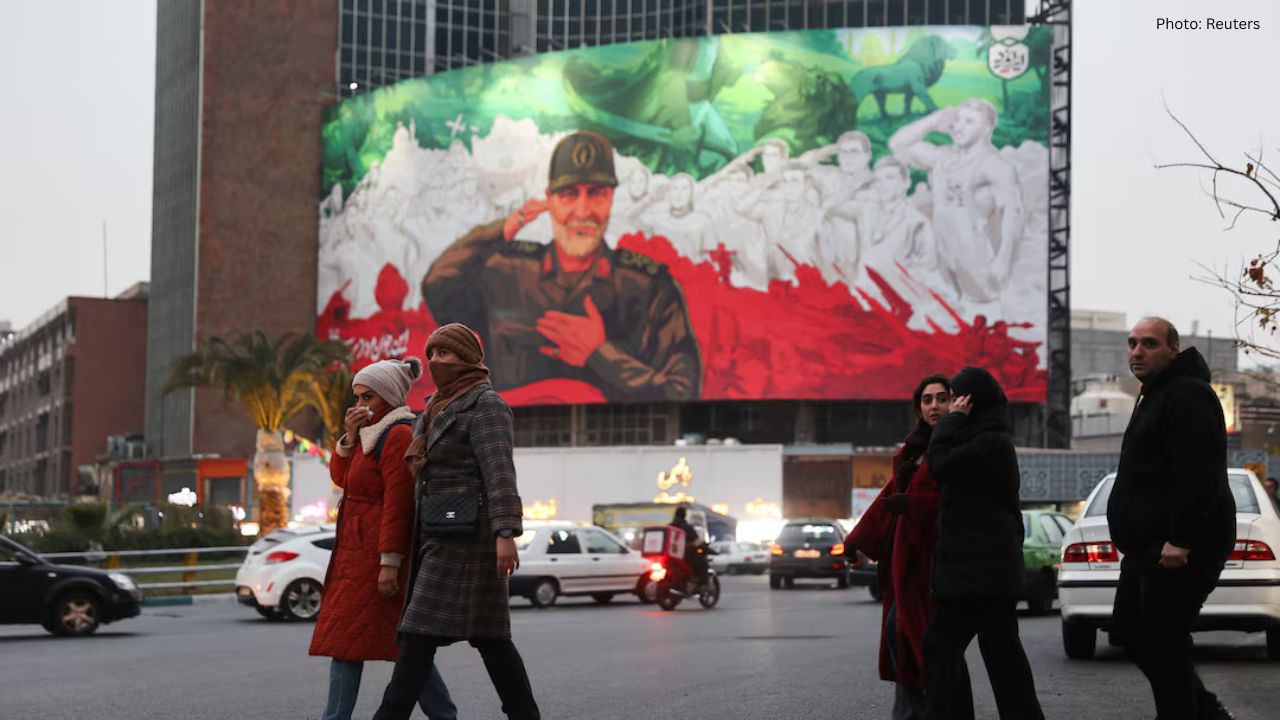
As protests erupt across Iran, the situation grows increasingly precarious with the U.S. President issuing a stern warning. Donald Trump has signaled to Iranian officials that America is prepared to respond should security forces attack demonstrators. This statement emerges as clashes, linked to Iran's dire economic climate, have already resulted in several fatalities.
The unrest ignited due to soaring inflation, currency devaluation, and escalating living expenses, prompting citizens to take to the streets. Although the scale is smaller compared to previous uprisings, the protests have spread to various cities, particularly in the west, with reports indicating that at least ten individuals have died in confrontations with law enforcement.
Reacting to these developments, Trump took to social media, asserting that the U.S. is “locked and loaded” to assist Iranian protestors facing aggression. While the specifics of any potential U.S. intervention remain vague, his remarks have heightened concerns of escalating tensions between the two nations, which have a history of conflict.
Iran's officials quickly dismissed Trump's threats, with senior figure Ali Larijani asserting that American interference would destabilize the entire region. Additionally, Iran has approached the United Nations, urging the Security Council to denounce Trump's comments. Iran’s U.N. ambassador warned of severe consequences if the U.S. further escalates the situation.
The internal atmosphere in Iran reflects a deep sense of unrest. Verified footage shows crowds gathered near a burning police station, with sounds of gunfire and chants against the government echoing throughout cities like Zahedan and Tehran, where waves of protesters have damaged police vehicles. Rights organizations have reported over a hundred arrests, while state media cites detentions related to planned violent actions.
Historical patterns suggest that Iranian leaders have faced protests numerous times before, often resorting to stringent security measures to regain control. However, the current economic turmoil adds gravity to the situation. High inflation rates, increasing unemployment, and currency decline are fueling public frustration and dissatisfaction. This unrest puts significant pressure on the Iranian government as it also navigates international sanctions and ongoing regional challenges.
In response, President Masoud Pezeshkian has opted for a more conciliatory approach, promising to engage in discussions with protest organizers and acknowledging governmental missteps contributing to the crisis. Nonetheless, rights groups have raised concerns over police brutality towards demonstrators, questioning whether dialogue alone can effectively defuse tensions.
Trump’s warning intersects with recent U.S. and Israeli military actions targeting Iranian nuclear and military sites, adding another strand of pressure on Tehran. Moreover, Iran’s backing of militant factions in Lebanon, Iraq, and Yemen potentially risks spreading volatility beyond its borders.
This unfolding situation illustrates how swiftly local protests can escalate into an international crisis. While Iranians demand economic reform and better leadership, the intervention of global powers amplifies fears of widespread conflict. Political rhetoric from leaders may satisfy domestic agendas, yet it concurrently raises the stakes for misunderstanding and violence.
As the situation continues to evolve, both restraint and diplomatic communication will be vital. The well-being of ordinary citizens within Iran and neighboring regions hinges on responses that favor dialogue over coercion. The international community will closely monitor developments to establish whether diplomatic efforts can avert a further escalation of this crisis.