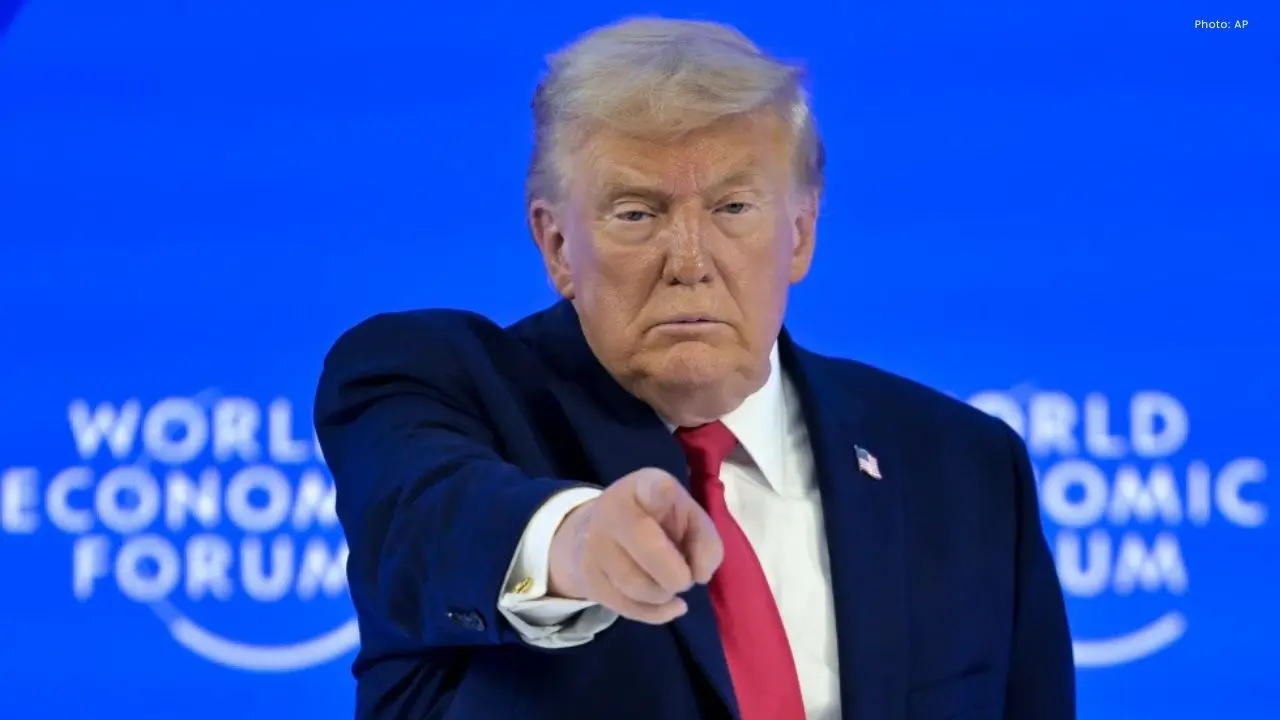
During the World Economic Forum held in Davos, President Donald Trump unveiled an ambitious concept termed the “Board of Peace.” His vision is to have this group mediate global disputes, with a specific focus on the ongoing ceasefire in Gaza. Yet, this announcement comes during a period when numerous nations question the reliability and direction of U.S. leadership.
Trump characterized the Board of Peace as a distinguished group of prominent leaders from various nations. He claimed there is substantial interest in participation, asserting it could evolve into one of the most significant international entities ever formed. Current reports indicate that approximately 35 nations have agreed to join, while close to 60 have received invitations. Egypt has confirmed its involvement, and Israel's Prime Minister has also expressed willingness to participate.
The inception of the board traces back to Trump’s comprehensive 20-point initiative aimed at facilitating a ceasefire in Gaza. Initially, the board's focus was intended solely on peace efforts in that region. However, its scope has broadened significantly, with Trump suggesting it may one day oversee various global conflicts and take on roles traditionally filled by the United Nations. This expansion has raised apprehensions among several nations.
Some traditional U.S. allies have opted not to participate. France, Norway, and Sweden have declined to join despite their endorsement of peace in Gaza. These nations fear that the establishment of the board might undermine the United Nations, which they regard as the primary institution for managing international conflicts. Other significant players, including the United Kingdom, Canada, China, Russia, and Ukraine, have yet to provide a definitive response.
Invitations have sparked debate regarding which leaders have been selected. Trump is keen on including influential figures, even those from controversial regimes. Detractors express concern that such inclusions could tarnish the board’s credibility and erode trust in its resolutions.
The timing of this proposal has further fueled skepticism. Trump’s peace initiative surfaced shortly after he made intense threats concerning Greenland, only to retract them days later. This shift has left allies questioning the stability of U.S. foreign policy.
Meanwhile, the situation in Gaza remains critical, despite a decrease in major hostilities; violence persists. Millions of Palestinians continue to experience shortages in food, housing, and healthcare. A significant challenge is Hamas’ ongoing refusal to disarm, which Israel deems essential for lasting peace. Trump has cautioned that failure to disarm could lead to substantial military intervention against Hamas.
Trump’s broader peace narrative extends to his firm stance on Iran, arguing that pressures exerted on Tehran, including previous military actions, have contributed to weakening Hamas and facilitating the Gaza ceasefire. Nonetheless, issues concerning human rights issues in Iran and the potential of escalated conflict loom persistently.
The Board of Peace represents a bold initiative. Advocates believe it has the potential to expedite decision-making and enhance global leadership. Critics, however, fear it could polarize the international community and erode established global frameworks. As world leaders depart from Davos, the future of Trump’s Board of Peace stands in limbo, mirroring broader uncertainties regarding global governance in tumultuous times.