President Donald Trump has declared that the United States expects to procure between 30 million and 50 million barrels of oil from Venezuela, agreeing to pay market prices for the crude. He emphasized that the proceeds from this oil transaction would benefit both American and Venezuelan citizens. This declaration comes at a critically tense moment, just days after a U.S. military operation apprehended Venezuelan President Nicolás Maduro, bringing him to the U.S. to face drug charges.
The announcement has attracted international attention, intertwining energy, military might, and political transformation in a country rich in oil. Venezuela has faced severe economic decline, fuel shortages, and political turmoil despite its vast oil reserves. Trump’s remarks indicate that Washington seeks an active role in reshaping the future of Venezuela, particularly regarding its energy sector.
On Tuesday, Venezuelan authorities reported that at least 24 security officers perished during the U.S. operation executed late at night, with later assessments raising the death count to at least 56. Venezuela’s attorney general announced that three prosecutors were appointed to investigate these fatalities, labeling the operation a potential war crime. Such claims underscore the intense controversy surrounding the U.S. intervention, both domestically and abroad.
Following Maduro’s detention, control of Venezuela transitioned to Delcy Rodriguez, who previously served as foreign minister and now acts as president. Rodriguez is familiar to U.S. officials and media, but her current position places her at the heart of a national crisis. She has actively countered Trump’s statements and dismissed concerns that she could face a dire fate similar to Maduro if she does not comply with U.S. demands.
Trump’s administration has made it clear that it desires Venezuela to broadly open its oil sector to American companies. He contends that U.S. investment and expertise are crucial for revitalizing Venezuela’s faltering oil industry. The White House is arranging discussions with leading U.S. oil executives, including those from Exxon, Chevron, and ConocoPhillips, about their prospective roles in Venezuela’s energy landscape.
For the United States, this oil agreement could enhance energy supplies and lessen reliance on other foreign sources. However, the situation is far more complicated for Venezuela. While foreign capital could restore oil production, many Venezuelans fear losing control over their most prized national asset. Years of sanctions, mismanagement, and corruption have already taken a toll on the industry, fostering skepticism toward foreign commitments.
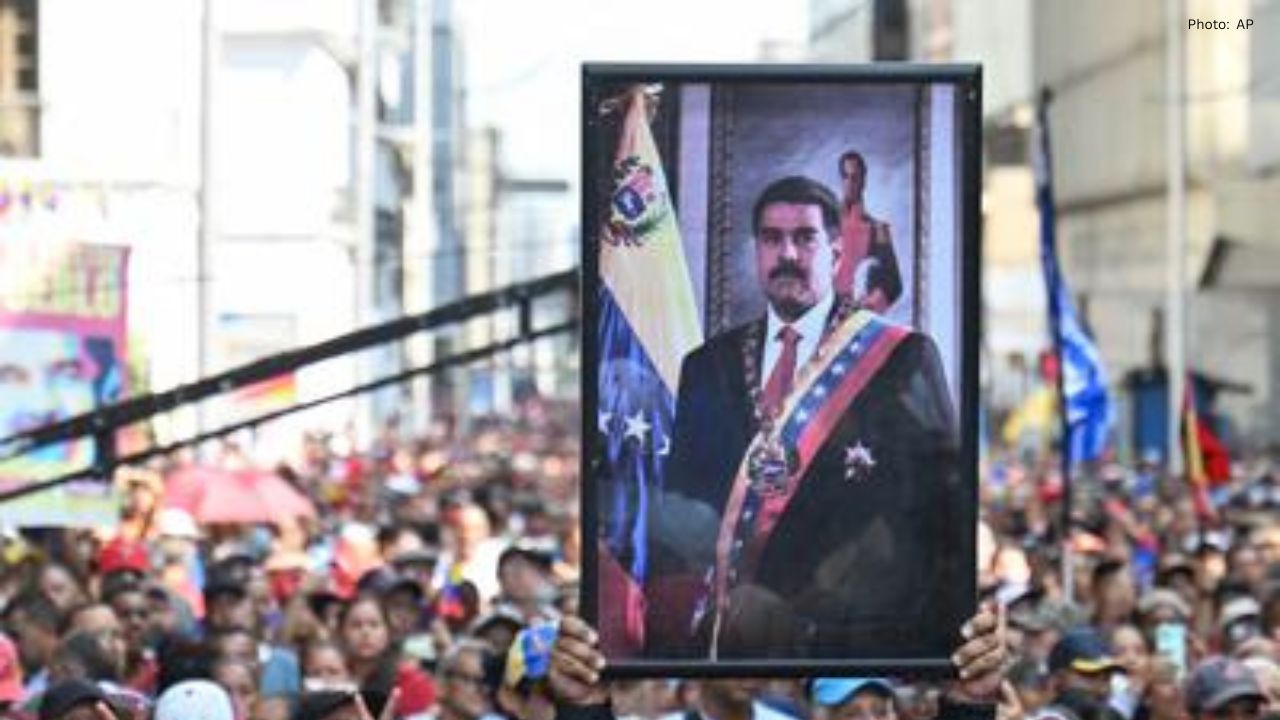
Within Venezuela, Maduro’s capture has incited protests and public outrage. Supporters of the former president have gathered in Caracas, including significant women-led marches advocating for his return. Government loyalists have also surfaced in public demonstrations to show solidarity, yet the nation remains deeply polarized. Some citizens are hopeful that the changes might alleviate poverty and shortages, while others view U.S. actions as an infringement on national sovereignty.
From an editorial perspective, this situation raises significant concerns regarding the use of military force to sway political results. While enhancing living conditions for Venezuelans is a vital objective, lasting stability cannot be achieved solely through exertion of pressure. Historical evidence suggests that external interference often creates enduring instability rather than achieving peace.
The proposed oil arrangement might yield short-term economic gains, but it fails to tackle more profound issues such as weak institutions, political distrust, and societal rifts. A genuine recovery in Venezuela will necessitate transparent governance, adherence to the rule of law, and solutions driven by the Venezuelan populace.
Trump’s declaration signifies a pivotal moment in U.S.-Venezuela relations. The outcome will hinge on how power dynamics play out in the forthcoming days. What remains clear is that Venezuela’s future should be shaped not just by military force or oil deals, but through a process that genuinely reflects the desires and welfare of its citizens.