Photo:AP
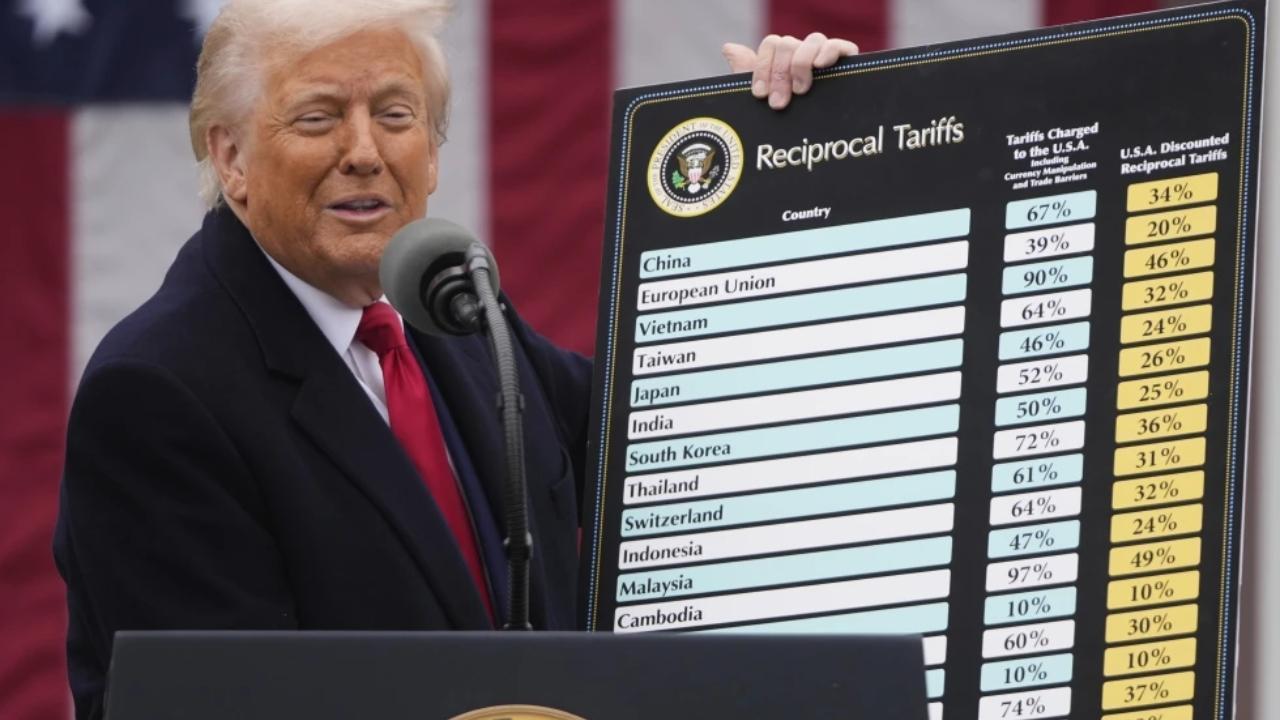
As July 9 approaches, marking the expiration of President Trump’s 90-day pause on a sweeping set of “Liberation Day” tariffs, Washington has intensified its campaign to secure trade agreements or enforce higher duty penalties. The president’s team—led by Treasury Secretary Scott Bessent and trade advisor Kevin Hassett—has been sending warning letters to dozens of trading partners and signaling that the deadline may shift to August 1, depending on progress. This effort is part of a broader strategy to renegotiate trade terms, rebalance unfair practices, and safeguard domestic industries.
From the outset, this latest wave of tariffs has been controversial. Announced on April 2 under the title “Liberation Day,” the executive order introduced a baseline 10% tariff on most imports, with additional reciprocal layers targeting certain nations. Yet the economic backlash—including plunging stock markets and supply chain disruptions—prompted a 90-day suspension set to expire on July 9. Now, the administration is doubling down on its promise: negotiate or face heightened tariffs.
Bessent emphasized his confidence in a string of trade deals being finalized before the deadline. He stated that agreements with the United Kingdom and Vietnam had already been concluded, while others with China and India were nearing completion. Beyond these flagship deals, plans are underway for letters to roughly 100 smaller economies, detailing potential tariff hikes effective July 9, but possibly extended to August 1. This staggered approach allows Washington to maintain pressure while rewarding progress, striking a balance between hard deadlines and strategic flexibility.
In televised interviews, Bessent clarified that August 1 shouldn’t be mistaken for a new deadline. “We’re saying this is when it’s happening,” he told CNN, highlighting that countries opting to accelerate negotiations may see delays under tailored terms. Importantly, some agreements are conditional—requiring visible concessions like tariff reductions on automotive or agricultural goods before unfavorable rates apply.
Parallel to this effort, Hessett projected tempered optimism. He noted that Washington remains open to extending negotiations with partners exhibiting good faith—adding nuance to discussions and avoiding an all-or-nothing narrative. “Maybe things will push past the deadline or maybe they won’t,” Hassett said, underscoring Trump’s final decision-making authority.
Yet behind this diplomatic cadence lies an authoritative shift. The administration is strategically setting deadlines not as rigid lines, but as leverage tools. Letters warning of reinstated tariffs are already being planned for dispatch on July 7 and 8, highlighting the seriousness of the president’s threat. Some letters may precede formal deals, while others likely coincide with imminent agreements—demonstrating a tailored and reactive approach.
At the same time, Washington has departed from its grand vision of wrapping up 90 deals within 90 days. Bessent admitted that the ambitious goal would not be met, forecasting instead that ten compact accords—covering sectors or regions—could land by Labor Day. These may include key partners in Asia and Europe, but they represent a scaled-down strategy from the campaign rhetoric.
This dynamic marks a strategic recalibration: early, headline-grabbing deadlines followed by pragmatic extensions. Washington’s tactic shows that while timing tactics remain firm, the policy offers breathing room for countries that demonstrate real movement on trade barriers, imports, or regulatory openness.
Public reaction is mixed. Dallas exporters report rising unease over pending tariff reversals, while markets have exhibited short-term volatility. Still, high-level allies such as the UK and EU are reportedly nearing concessions, signaling that the tactic may yield early results. A possible bilateral deal with India is also being monitored closely .
Economists warn, however, that prolonged uncertainty is itself costly. Federal Reserve Chair Jerome Powell has already attributed delays in cutting interest rates to the inflationary impact of Trump’s trade policy. Businesses that rely on stable cross-border inputs—automakers, technology firms, and agri-processors—continue to face rising logistical costs. Market confidence is conditioned less by timeline and more by consistency; monthly policy shuffle remains a challenge to long-term planning .
Legal and diplomatic pushback is also emerging. Critics argue that using national emergency powers to impose sweeping reciprocal tariffs may exceed presidential authority. WTO filings are reportedly under review, alongside congressional pushback centered on constitutional authority over trade. Meanwhile, smaller trading partners fear sudden deadlines that could catch weaker economies off guard .
Beyond that, sectors like automotive remain particularly exposed. Tariffs under Section 232 threaten not just finalized import lines but also integrated supply chains. The policy has uneven coverage: exempting USMCA-compliant goods while penalizing others, which creates complexity and room for loopholes. American and Canadian manufacturers are urging clarity to avoid bottlenecks before tariff instruments fully snap back on July 9 or August 1 .
Looking forward, the world’s attention is now on the rapid-fire news cycle through July 9. Key questions include which deals will make the final cut, which countries receive letters, and how flexible the White House will be in pushing deadlines further. Diplomatic breakthroughs may come through early July as the White House position gains perceivable strength—but missing the window evokes a harsher outcome, albeit one that may be negotiated through letters and targeted tariffs rather than global imposition.
Decisions made in this window will shape not only near-term economic flows but also long-term relations across the Indo-Pacific and trans-Atlantic regions. Whether this pressure tactic yields future-ready trade or backfires as an empty threat remains to be seen.
For now, Trump has shifted from grand timelines to micro-deadlines. His strategy reintegrates political messaging with economic policy—blending showmanship and substance through tariff leverage, diplomatic deadlines, and promises of both punishment and reprieve. Countries negotiating with Washington now face both urgency and uncertainty. Global markets are watching—and will likely react to each incremental announcement in the coming days.