U.S. President Donald Trump has expressed his belief that Iran’s severe crackdown on protests is starting to lighten, as Iranian authorities reject claims that a young man arrested amid the unrest is facing execution. This comes against a backdrop of high anxiety regarding potential escalations in the Middle East.
During a speech at the White House, Trump indicated he received information suggesting that fatalities related to Iran’s protest response are diminishing. He remarked that there appeared to be no imminent plans for mass executions, representing a shift from previous warnings about possible U.S. military intervention should the violence persist.
In parallel, Iranian state outlets reported that a 26-year-old arrested during the protests in Karaj would not face the death penalty. This follows claims from a human rights organization that an execution was imminent. Iranian officials clarified that the charges against the individual do not warrant capital punishment under existing laws.
Trump's statements influenced global markets instantly, resulting in a decline in oil prices and a drop in gold values. Investors had been apprehensive about a possible U.S. military response that could disturb energy supply and escalate global risks.
While he expressed a tempered viewpoint, Trump did not exclude the possibility of military action. He noted that his administration is closely monitoring the situation and is prepared to respond as it develops. He also mentioned Iran’s release of a “very good statement,” without elaborating.
Recently, tensions have surged. Iran has cautioned its neighbors that U.S. bases might be targeted should Washington execute strikes. In turn, the U.S. has started redeploying some personnel from its bases in the Middle East. Qatar confirmed a reduction of troops at a major U.S. air facility due to escalating regional tensions.
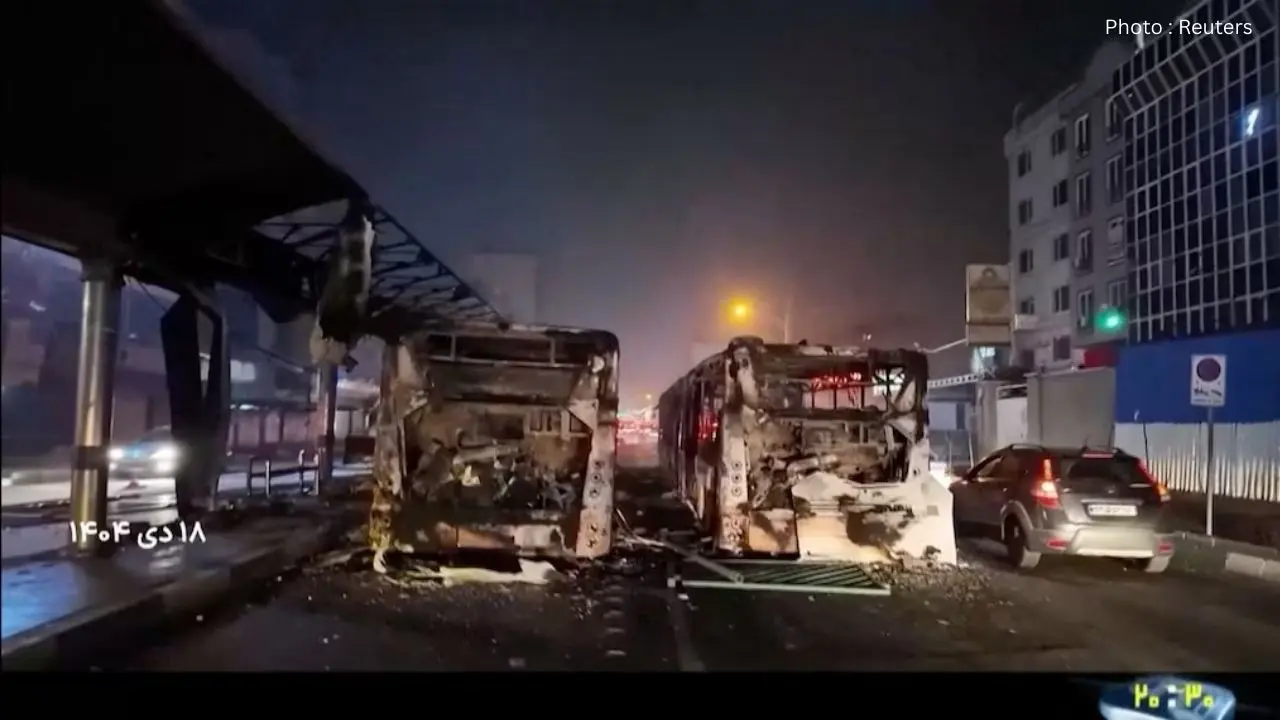
The unrest in Iran erupted in response to severe economic difficulties, including soaring prices and unemployment. It swiftly transformed into one of the most formidable challenges to the regime since the 1979 revolution, with reports indicating over 2,500 fatalities during the protests, far surpassing previous movements.
Recent reports suggest that protests within Iran have dwindled. However, uncertainties remain high due to a week-long internet blackout that hampered information flow and verification of details.
Iranian authorities have attributed the violent unrest to external enemies inciting economic protests, claiming that assaults on security forces and public properties necessitated a strong governmental response. In contrast, Western nations have accused Iran of employing excessive force against its citizens.
Trump also brought up Iran's opposition figures, such as Reza Pahlavi, the son of the last shah, describing him as “nice” but questioning his domestic support. He remarked that while governments can fall, it's premature to predict the future of Iran.
As the situation evolves, global attention remains focused on developments. Trump’s belief in a decrease in violence may provide a sliver of hope, yet uncertainty prevails. Protests, regional tensions, and discussions of potential military action loom, signaling a critical and unpredictable phase for Iran’s future.