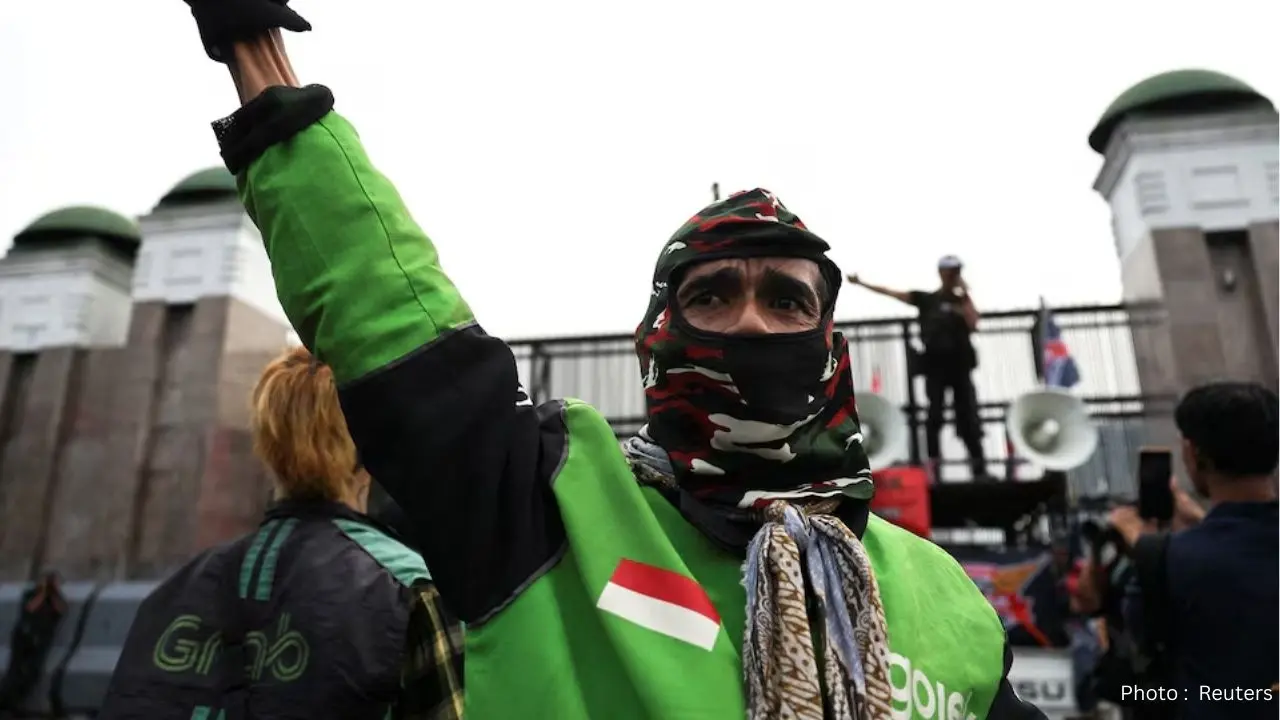
The ride-hailing landscape in Indonesia is on the verge of a significant transformation as the government mulls over new regulations designed to enhance benefits for numerous drivers. A draft presidential decree awaiting President Prabowo Subianto's approval seeks to reduce commissions charged by companies and increase social protections for drivers, potentially reshaping one of the largest gig economies in Southeast Asia.
This proposed decree arrives amid a surge in political activism among ride-hailing drivers in Indonesia. In recent times, they have echoed their grievances during sizable, student-led protests, which have garnered national visibility around pressing issues such as insufficient wages, inadequate insurance, and perilous working conditions. These demonstrations have intensified the pressure on the government to take prompt action.
If approved, ride-hailing platforms would see their commission rates capped at 10% per trip, a noteworthy reduction from the existing 20% limit. This change would allow drivers to retain a greater portion of the fares collected. Notably, Indonesia stands out as the sole Southeast Asian nation that imposes commission limits for motorcycle ride-hailing services, and this further reduction would squeeze platforms' profit margins.
A major component of the draft is the mandate for companies to fully finance accident and death insurance for drivers. Given that approximately seven million delivery and motorcycle taxi drivers operate across the nation, this requirement might substantially elevate operational costs for platforms. Additionally, firms will be obligated to contribute towards health, pension, and old-age insurance, further inflating hiring and running expenses.
Industry experts caution that these regulatory changes may pose sustainability challenges. Some stakeholders warn that elevated costs might jeopardize profit margins and lead firms to impose restrictions on the number of drivers permitted on their platforms. Historically, ride-hailing companies have maintained that their drivers qualify as gig workers rather than full-time employees, thereby arguing against the provision of equivalent benefits.
Conversely, driver organizations have expressed optimism regarding the draft decree. Labor unions advocate that these stipulations may finally provide equitable wages and foundational protections for individuals reliant on ride-hailing as their primary income source. Union representatives have urged the government to implement these benefits transparently, devoid of any concealed stipulations.
The timing of this proposal is also noteworthy amid concerns about competition. Discussions surrounding a potential merger between key ride-hailing entities have instigated worries about diminished competition and the erosion of drivers' negotiating power. Critics assert that stronger regulations are imperative to safeguard workers in such conditions.
President Prabowo’s administration has consistently voiced robust support for drivers, often characterizing them as essential to the economy. Observers note that the death of a motorcycle taxi driver during previous protests sent shockwaves through the public and heightened the urgency concerning worker safety and rights.
If enacted via presidential decree, these new regulations could be implemented swiftly. While such changes may enhance the lives of drivers, they bring forth questions regarding how companies will adapt moving forward. The upcoming months will be pivotal in determining whether Indonesia can successfully navigate the dual imperatives of worker protections and a viable ride-hailing industry.