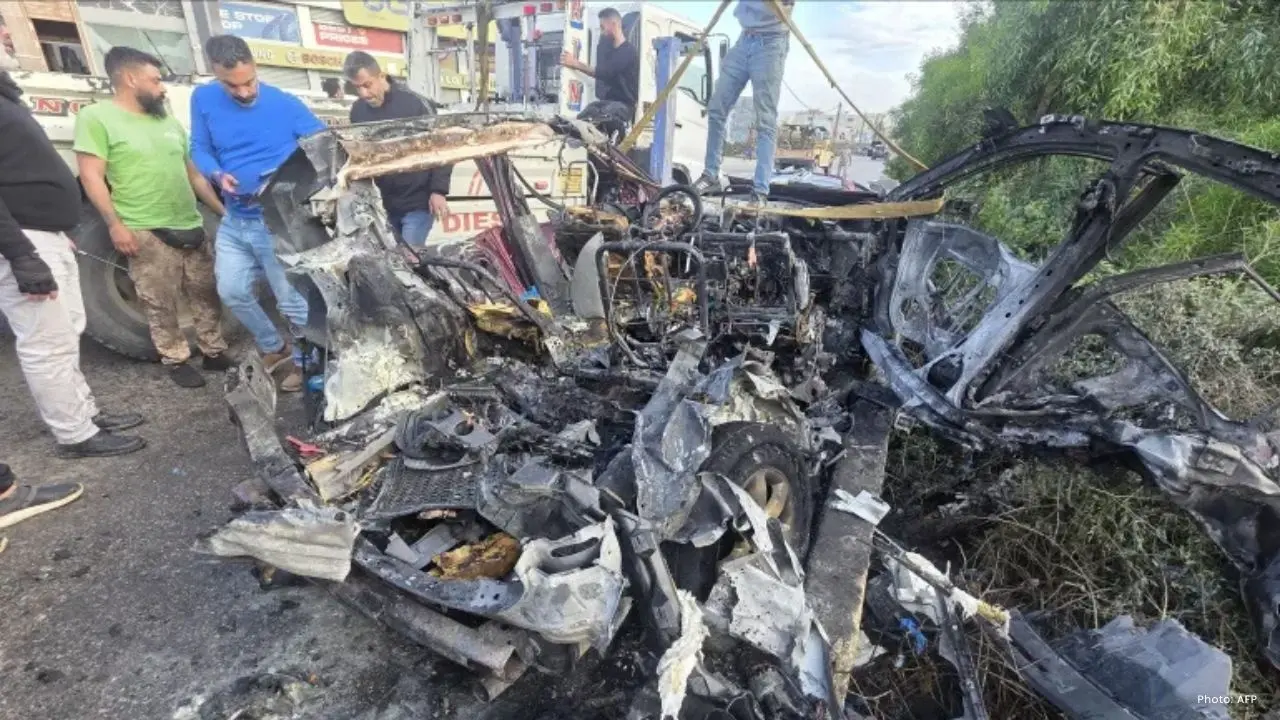
A tragedy struck in southern Lebanon on Monday when TV host Ali Nour al-Din lost his life in an Israeli airstrike. Known for his programs on Al‑Manar TV, he was a well-respected figure within the Tyre community.
This event has escalated fears for the safety of journalists and media personnel operating in conflict zones. Hezbollah labeled the action a “treacherous assassination,” warning that assaults on media figures may persist.
Lebanon’s Minister of Information condemned the assault, urging the global community to advocate for the protection of journalists. The deaths of multiple media workers during past Israel-Lebanon clashes highlight the peril faced by those covering such conflicts.
The Israeli military asserted that al-Din had connections to Hezbollah and was involved in bolstering its artillery capabilities. This strike is part of a broader military operation targeting what Israel deems security threats in southern Lebanon.
The killing occurs against a backdrop of a tenuous ceasefire established in 2024 between Israel and Hezbollah, intended to halt ongoing hostilities, yet strikes have persisted in a tense atmosphere.
In the wake of the strike, Hezbollah has called on its supporters to rally, cautioning that rising violence could have broader regional implications.
The lethal strike on a media worker poses serious concerns regarding civilian safety. International law considers journalists as civilians, making attacks on them particularly heinous and widely criticized by human rights organizations.
There is likely to be a stronger international push for safeguarding journalists and ensuring measures are in place to avert further harm in conflict zones. Upholding the safety of media workers is vital for preserving independent journalism and public awareness amid warfare.