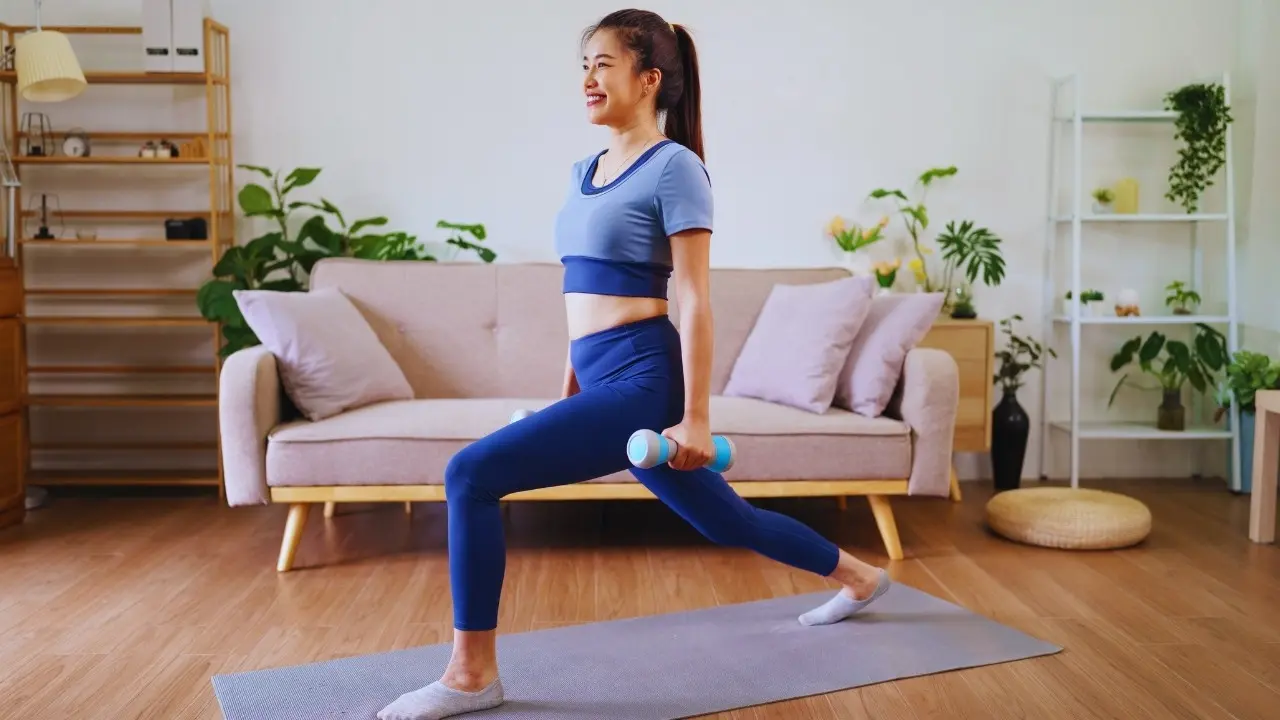
Workout routines have transcended beyond just enthusiasts and athletes. Individuals from various age groups and lifestyles are actively seeking ways to incorporate regular exercise into their lives, whether at home, outside, or during brief daily intervals. The surge in popularity of these routines showcases a significant evolution in how we prioritize health, energy, and overall wellness.
Search data indicates that the focus is not solely on extreme fitness achievements or drastic body overhauls. Instead, many are gravitating towards sustainable routines that integrate seamlessly into their busy lives. From basic stretching and walking to short strength-training sessions, fitness is becoming more approachable and achievable.
This burgeoning interest aligns closely with shifts in employment norms, heightened health awareness, and the physical impacts of contemporary living.
Transformations in Lifestyle Fueling Fitness Trends
One pivotal factor behind the surge in popularity of workout routines is the shift in daily living. Prolonged periods of sitting, screen-centric jobs, and decreased physical activity contribute to common issues such as back pain, fatigue, and low energy.
Individuals are becoming more aware of the repercussions of inactivity, leading even those without visible health concerns to experience fatigue and discomfort. Consequently, concerns about fitness have transformed from mere aesthetics to crucial well-being.
The focus of exercise has evolved; it now emphasizes functionality, mobility, and overall vigor.
The Shift to Home-Based Workouts
A notable driver of the increased interest in workout routines is the transition towards home fitness. Many individuals choose to work out at home for its convenience and comfort.
Home workouts eliminate challenges such as travel, membership fees, and societal pressures. Simple regimens that utilize body weight or minimal equipment help maintain consistency without extensive commitments.
This accessibility is motivating newcomers and those previously inactive to get moving, thereby reinforcing the trend.
Flexible and Short Routines for Busy Lifestyles
Contemporary workout regimes are crafted for flexibility. Rather than lengthy, exhausting sessions, there is a growing demand for workouts spanning just 10 to 30 minutes. These concise routines fit seamlessly into busy days and are less daunting for novices.
The mantra of “a little is better than nothing” is being widely accepted. Short bursts of activity are acknowledged as beneficial, encouraging individuals to stay active without feeling overwhelmed.
Consistency now outweighs intensity, a principle increasingly reflected in modern workout designs.
Rising Health Awareness
Health consciousness has sharply risen in recent years. People are more mindful of lifestyle diseases, the stresses of daily life, and the long-term effects of inactivity.
Workout routines are trending due to their perceived role in prevention. Regular physical activity helps manage weight, enhances posture, promotes mental well-being, and increases energy levels.
For many, exercise is about evading discomfort and preventing potential health issues rather than achieving perfection.
Mental Health Motivations
The link between exercise and mental health is becoming increasingly recognized. Stress, anxiety, and emotional fatigue are common, leading many to seek natural relief methods.
Workout routines alleviate tension, boost mood, and enhance a sense of control. Even light exercises can mitigate mental exhaustion and sharpen focus.
For countless individuals, workouts have evolved into a form of self-care rather than being solely performance-oriented.
The Role of Social Media and Digital Access
Platforms such as social media have made exercise routines widely visible and readily accessible. Quick videos, guided sessions, and fitness challenges provide daily exposure to various workout ideas.
Though not everyone strictly adheres to trends, this visibility normalizes physical activity. Observing peers engage in casual exercise helps diminish intimidation and fosters participation.
Digital platforms have diversified fitness offerings, making routines suited for varied ages, abilities, and tastes.
A Move Away from Extreme Fitness Ideals
Previous fitness trends often highlighted extreme transformations and demanding workouts. Currently, there is a notable transition towards balance and longevity.
Individuals are pursuing routines that cultivate enduring health rather than swift outcomes. Gentle stretches, mobility work, walking plans, and low-impact exercises are witnessing a rise in popularity.
This evolution makes fitness more attainable and relatable to a broader audience.
Integrating Exercise into Daily Routines
The popularity of workout routines stems from the integration of exercise into everyday life rather than viewing it as a separate obligation. Morning stretches, evening walks, brief movement breaks, and weekend activities are becoming common practices.
Such integration minimizes resistance; when movement feels like a natural progression, individuals are inclined to maintain the habit.
Fitness is gradually becoming a routine rather than a lofty ambition.
Conclusion
Workout routines are gaining traction due to an adaptive response to contemporary life realities. Sedentary lifestyles, increased stress, and health awareness have made movement essential.
The emphasis has shifted from fervent fitness aspirations to simple, consistent practices that bolster everyday health. Whether indoors or outdoors, lengthy or brief, structured or fluid, workout routines are enabling individuals to enhance their physical and mental well-being.
This phenomenon is not about achieving perfection; it centers on sustainability, awareness, and the insight that regular movement is one of the most effective strategies for a healthier lifestyle.
Disclaimer
This article serves informational purposes only. Exercise routines should be selected based on personal health considerations and physical capabilities. Readers are encouraged to consult a qualified fitness or healthcare professional prior to embarking on any new exercise regimen.