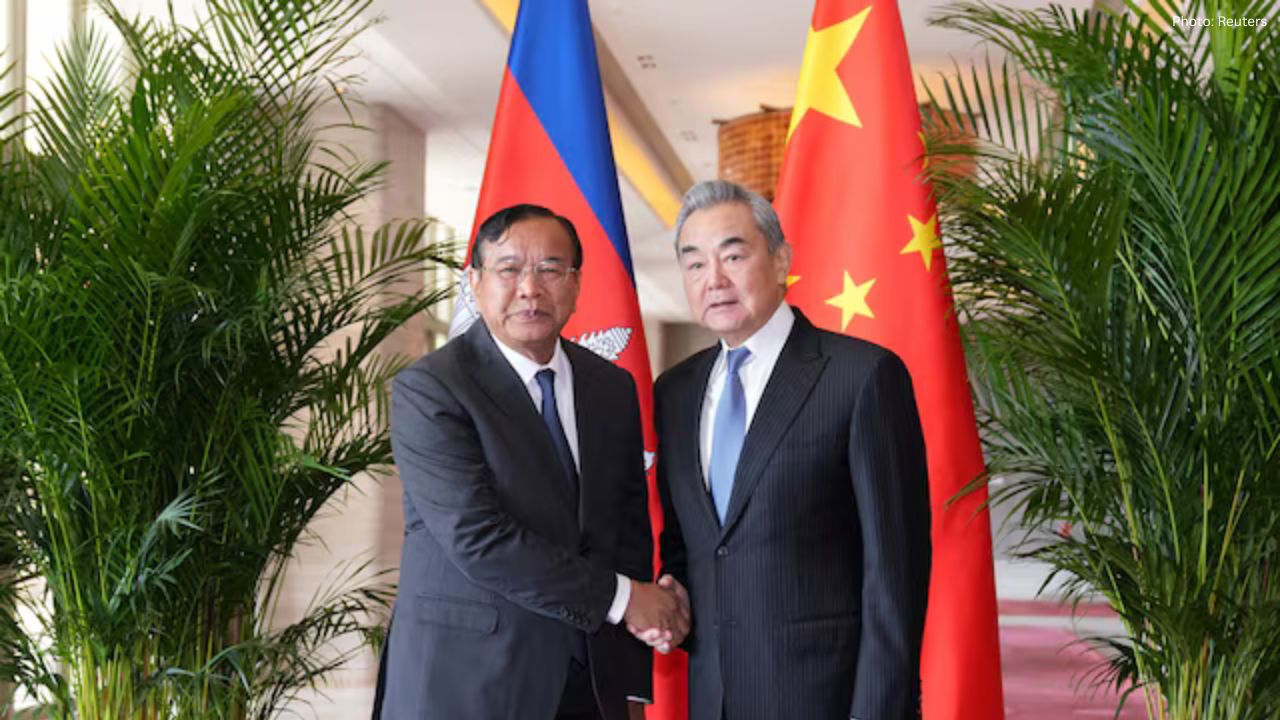
In a bid to solidify a tenuous ceasefire, Thailand and Cambodia have taken proactive measures after experiencing weeks of violence along their shared border. These developments emerged from diplomatic discussions hosted by China, underscoring Beijing's increasing influence in Southeast Asian affairs amid escalating regional tensions.
A statement from Beijing outlined the intention of both nations to foster political trust and gradually improve bilateral relations. The dialogue occurred in Yunnan province, where senior diplomats and defense officials from both countries, along with Chinese Foreign Minister Wang Yi, participated.
Earlier clashes between Thailand and Cambodia intensified this month after an earlier ceasefire crumbled. Fighting in disputed border locations lasted several weeks, resulting in over 101 fatalities and forcing more than 500,000 civilians to evacuate, creating dire humanitarian challenges.
In a recent agreement, leaders of both sides reached a second ceasefire since late October. Although hostilities have ceased for the moment, authorities continue to express concerns about lingering tensions that could escalate without a concerted effort to restore trust.
During the Yunnan talks, Wang Yi emphasized the importance of the ceasefire being “hard-won” and cautioned both nations against abandoning the agreement. He urged that peace would only endure if both parties demonstrated ongoing commitment and patience.
China's foreign ministry characterized the discussions as productive, culminating in significant mutual understanding. A joint statement from China’s state news agency Xinhua declared intentions for Thailand and Cambodia to rebuild political ties, enhance relations, and maintain regional peace.
This meeting clearly illustrates China’s role as a mediator in the conflict; however, its statement notably omitted mentions of ASEAN, the regional organization that previously played a role in ceasefire negotiations. A truce facilitated by U.S. President Donald Trump and Malaysian Prime Minister Anwar Ibrahim during an ASEAN Summit in Kuala Lumpur had earlier deteriorated, rekindling disputes.
Wang Yi stressed the necessity of ongoing communication and consultation for the successful implementation of the ceasefire. He acknowledged that mending diplomatic relations would be an incremental process. The participation of defense officials in talks indicated the importance of military coordination in averting future confrontations.
Bilateral meetings between Thai and Cambodian officials took place alongside the main discussions. Wang noted that both sides exhibited a positive and open stance, a hopeful indicator for sustainable peace.
The history of the border dispute between Thailand and Cambodia is long and complex, with many episodes of violence resulting in loss of life and civilian displacement, particularly in rural border zones.
While this latest agreement presents an opportunity to move away from conflict, its success will hinge on trust, restraint, and continued dialogue. For those residing near the border, enduring peace is not merely a political objective; it is a vital necessity. The forthcoming weeks will reveal whether this ceasefire can serve as a foundation for a more stable future for both nations.