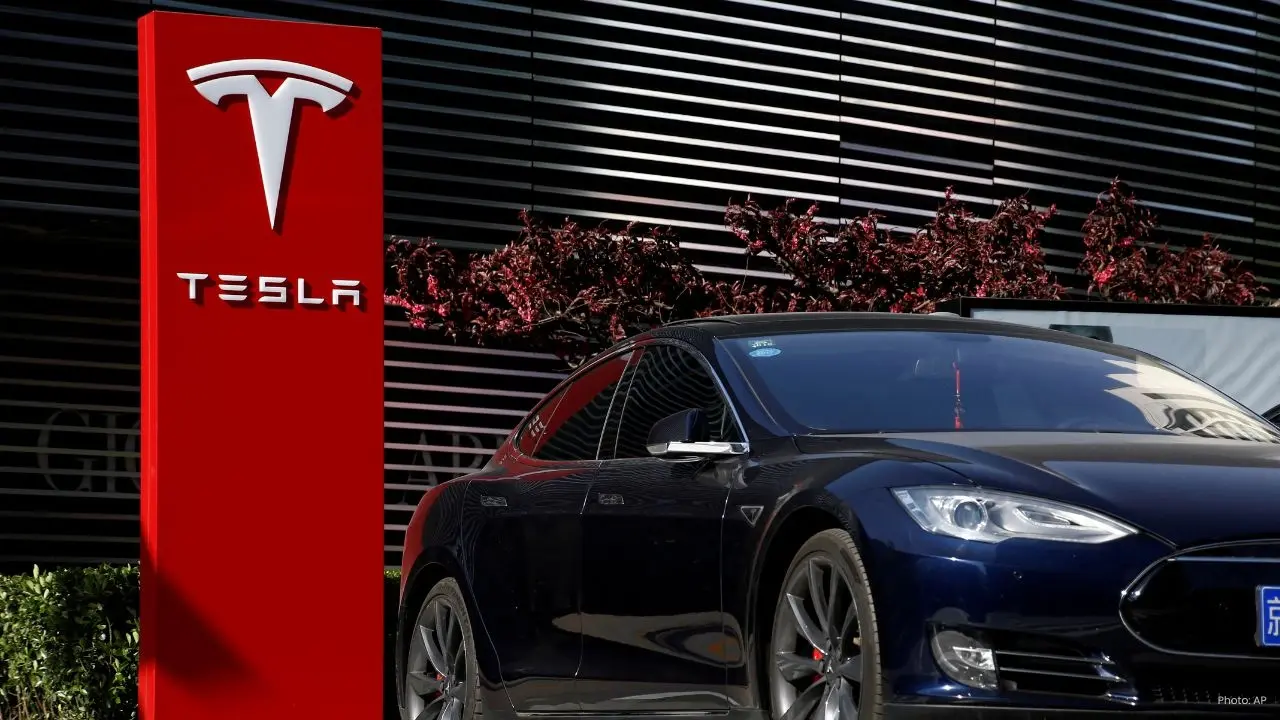
Tesla, previously reigning supreme in electric vehicle (EV) sales, has faced a downturn in 2025, ceding its title to the Chinese firm BYD due to political challenges, the end of U.S. tax incentives, and increasing global competition. The automaker reported deliveries totaling 1.64 million vehicles, reflecting a 9% drop compared to 2024. In the same period, BYD claimed the top spot by selling 2.26 million EVs, reinforcing its dominance in the global market.
This development underscores a pivotal change in the EV industry landscape, with Tesla tackling multiple difficulties that have hindered its growth prospects following years of rapid success. Despite backing from former President Donald Trump, who advocated for Tesla early in 2025, demand noticeably waned after the $7,500 federal tax credit expired in September.
During the fourth quarter, Tesla's sales amounted to 418,227 vehicles, falling short of the anticipated 440,000, as indicated by FactSet analyst projections. This lowered sales target highlights the challenging market climate intensified by stiff competition, particularly from Chinese rivals offering lower-cost alternatives.
In response, Tesla launched more economical versions of the Model Y and Model 3 in October 2025, priced at under $40,000 and $37,000 respectively. These budget-friendly options aim to capture the interest of buyers in Europe and Asia, where Chinese offerings have gained significant traction.
Looking to the future, predictions suggest that Tesla’s sales may decrease by around 3%, with earnings per share projected to fall nearly 40% in the next quarterly review. Nevertheless, there is cautious optimism for a rebound in 2026, spurred by Tesla's ventures into new sectors.
CEO Elon Musk is redirecting his focus from conventional vehicle sales to advanced technologies, including autonomous robotaxi operations, energy storage innovations, and humanoid robots for personal and industrial applications. The company initiated a robotaxi pilot program in Austin in mid-2025, with plans to extend this service to additional cities this year. Achieving success in this area poses challenges, including regulatory obstacles and competition from industry leaders like Waymo.
Despite navigational difficulties such as ongoing federal safety probes and a potential temporary suspension of Tesla's California sales license over allegations of misleading self-driving claims, industry experts like Dan Ives from Wedbush Securities maintain a positive outlook on Tesla’s autonomous vehicle future.
Furthermore, Tesla has received shareholder approval for a significant new compensation package for Musk in late 2025, fostering confidence in his leadership. A recent ruling from the Delaware Supreme Court reinstated Musk’s $55 billion pay package originally awarded in 2018.
With the anticipated public offering of SpaceX, analysts forecast Musk's wealth may surge, potentially making him the world’s first trillionaire by 2026.