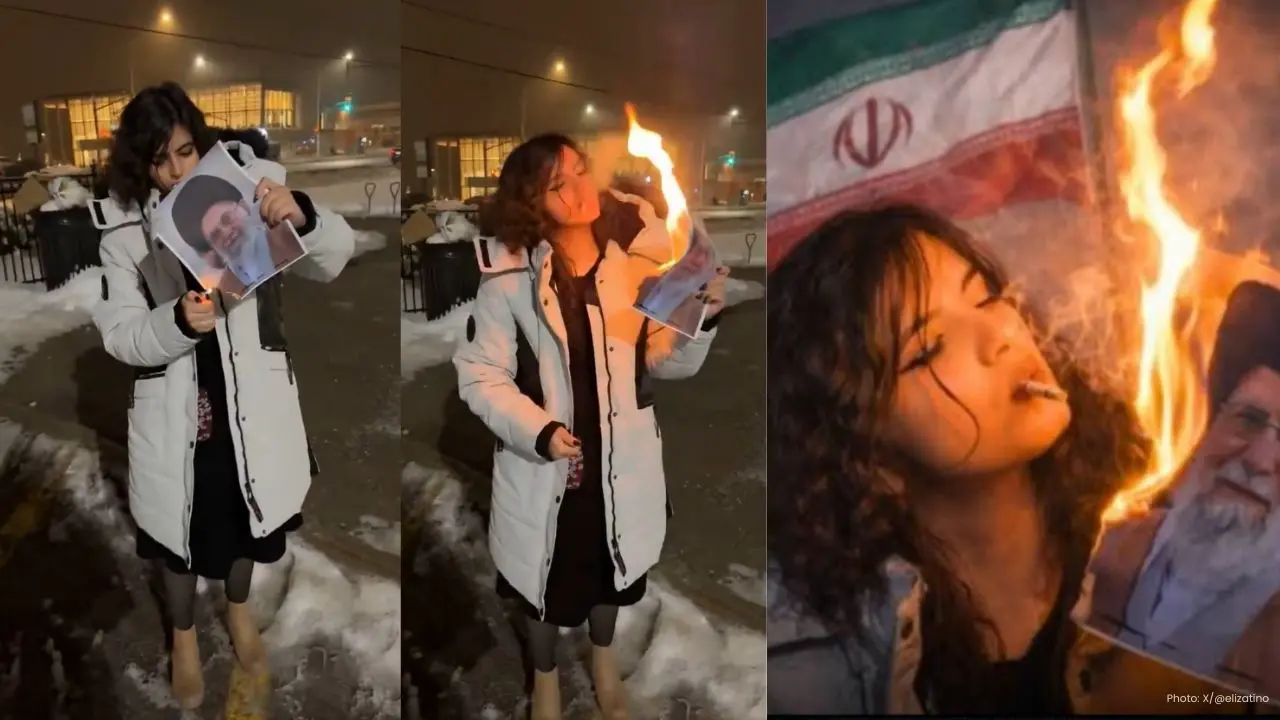
Unrest in Iran has escalated dramatically, drawing the world's attention as citizens express their frustrations with the regime. Viral footage of Iranian women igniting cigarettes with photos of Supreme Leader Ayatollah Ali Khamenei serves as a stark emblem of defiance against governmental control.
Beginning in late December, the protests have become a substantial challenge to Iran’s clerical regime since the Islamic Revolution of 1979. These demonstrations, initially sparked by rising food prices and inflation, have morphed into broader political dissent, with protesters chanting against the government in various cities.
A doctor from Tehran, cited by TIME Magazine, noted that at least 217 protesters have died based on reports from just six hospitals, many of whom were said to have been shot with live ammunition. This situation raises grave concerns over the government's response to dissent. In attempts to curb protest activity, Iranian authorities have enacted a nationwide internet blackout alongside severed telephone services, a move denounced by human rights organizations.
Amnesty International claims the internet shutdown aims to obscure human rights abuses, while NetBlocks has labeled it an affront to civil liberties. Despite such restrictions, unauthorized videos reveal women participating in public bonfires to burn their headscarves, openly defying imposed social regulations.
Burning the Supreme Leader's image is a criminal act under Iranian law, and public smoking for women remains highly frowned upon in many areas. By intertwining these defiant actions, demonstrators are explicitly resisting political and societal norms, an approach that has roots in the protest movement sparked by the tragic death of Mahsa Amini in police custody in 2022.
In the Sa’adat Abad area of northern Tehran, residents responded by banging pots from their balconies and honking car horns in solidarity against Khamenei. The Supreme Leader labeled the demonstrators as “vandals” and “saboteurs,” attributing the turmoil to foreign interference.
US President Donald Trump commented on the precarious situation for Iran's leadership, suggesting that protesters are gaining a foothold in areas once thought secure. Khamenei retorted by accusing the US of arrogance and forecasting Trump's political failure.
The leaders of France, the UK, and Germany have jointly condemned the violence against protesters, urging the Iranian regime to show restraint amid intensifying global scrutiny of the situation.