The protracted conflict in Yemen takes a significant turn as southern separatists declare their intention to seek independence from the north, indicating a referendum could be held in two years. This declaration coincides with ongoing clashes in critical regions, especially in Hadramout province, and underscores the growing rifts among Gulf allies supporting the Yemeni government.
The Southern Transitional Council (STC), supported by the UAE, has firmly stated its desire to separate from northern Yemen, marking a decisive step towards independence. In the meantime, Saudi-backed military efforts are underway to reclaim territories now controlled by the STC, including vital military installations in Hadramout.
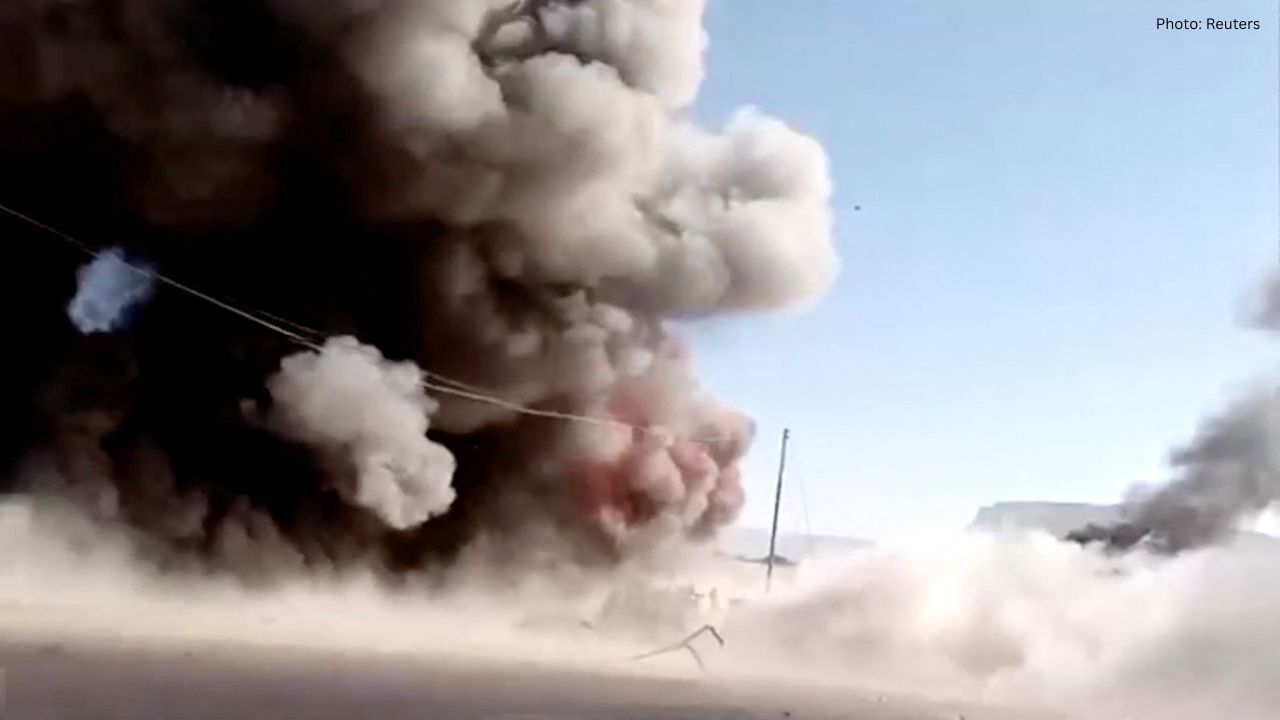
Hadramout is a crucial province that borders Saudi Arabia and possesses significant cultural and historical importance for the kingdom. The STC's recent takeover alarmed Saudi authorities, resulting in airstrikes and a military response to regain control. Both Saudi and local military forces are engaged in ongoing confrontations, with the STC signaling its readiness to fight back if provoked.
This conflict has laid bare the tensions between Saudi Arabia and the UAE, both of which had previously aligned themselves with Yemen's internationally recognized administration. Recently, the UAE announced the withdrawal of its troops at Saudi Arabia's request, temporarily easing tensions but leaving underlying disputes over strategy and control unresolved.
Yemen remains fragmented after over a decade of warfare. While the north is predominantly under the control of the Iran-supported Houthi faction, the south is a patchwork of forces, including the STC and troops affiliated with the government and Gulf nations. This disunity has fostered a precarious power balance as groups compete for control over vital resources such as ports, airports, and oil fields.
In light of the escalating crisis, Saudi Arabia is encouraging dialogue among the southern factions. Yemen's presidential council has proposed hosting a forum in Riyadh to engage all southern factions, seeking a peaceful resolution to the turmoil. This initiative is still nascent, and it's uncertain if the STC or other groups will embrace this approach.
The persistent unrest disrupts daily life in southern Yemen; flights at Aden International Airport—a key access point for non-Houthi regions—remain stalled amid uncertainty regarding air traffic management. The chaos hampers civilian movements and commerce, exacerbating the already severe hardships faced by a populace worn down by years of conflict.
The recent announcement by the STC and the outbreak of clashes highlight the tenuous nature of peace in Yemen and the intricate web of regional politics. While the drive for independence resonates with segments of local society, it poses a risk of escalating violence and further deepening divisions among Gulf countries. With influential players like Saudi Arabia and the UAE pursuing competing interests, the evolving situation has the potential to impact regional stability and global oil markets.
As Yemen enters another phase of turmoil, diplomacy, restraint, and constructive dialogue will be paramount. Reaching an agreement will demand careful negotiations among local factions and their Gulf backers. The upcoming months are crucial in determining whether the aspirations of the southern separatists pave the way to autonomy or escalate into an even more severe crisis.