A severe thunderstorm swept across southeastern Alberta on Wednesday, leaving a trail of destruction in its path. The storm caused widespread damage to property, power lines, and vehicles, and led to multiple power outages across several communities. Meteorologists had warned residents earlier in the day that the storm could be dangerous, with the potential for extremely strong winds, heavy rain, and large hail.
The storm struck in the late afternoon and persisted into the evening, affecting towns and rural areas across the region. Local authorities, emergency services, and utility companies were on high alert as the storm moved eastward, leaving many residents stranded or without electricity.
Thunderstorm Warning Issued
Environment Canada issued a severe thunderstorm warning for south-central Alberta shortly after 5 p.m. The warning informed residents that meteorologists were tracking a dangerous storm capable of producing baseball-sized hail, damaging winds, and heavy rainfall.
At the time of the warning, the storm was located west of Brooks, Alberta, and was moving eastward at a rapid pace. Subsequent updates confirmed that the storm passed through Vulcan County and Newell County before continuing further southeast, leaving multiple communities in its path vulnerable to damage.
The warning also advised residents to take immediate precautions, including securing outdoor furniture, staying indoors, and avoiding travel on roads affected by the storm. Authorities emphasized that the storm was highly unpredictable and could intensify rapidly.
Impact on Brooks and Surrounding Areas
By around 5:30 p.m., the storm had reached Brooks, Alberta. RCMP reported that power lines were down, roads were blocked by debris, and several vehicles were disabled due to the extreme weather conditions. Police urged residents to avoid traveling in affected areas and to exercise caution, as road conditions were dangerous and visibility was poor due to heavy rain and hail.
After Brooks, the storm continued southeast into Cypress County, moving toward the Saskatchewan border. By approximately 7 p.m., RCMP confirmed that both eastbound and westbound lanes of Highway 36 at Highway 1 were blocked and impassable. Drivers were advised not to travel south on Highway 36 to Highway 1, as conditions were too dangerous. Authorities encouraged residents to check the 511 Alberta road service for real-time updates on closures and road conditions.
Emergency crews were dispatched to clear blocked roads and assist motorists stranded due to the storm. Many residents were forced to shelter indoors as the storm passed through their neighborhoods.
Power Outages Across the Region
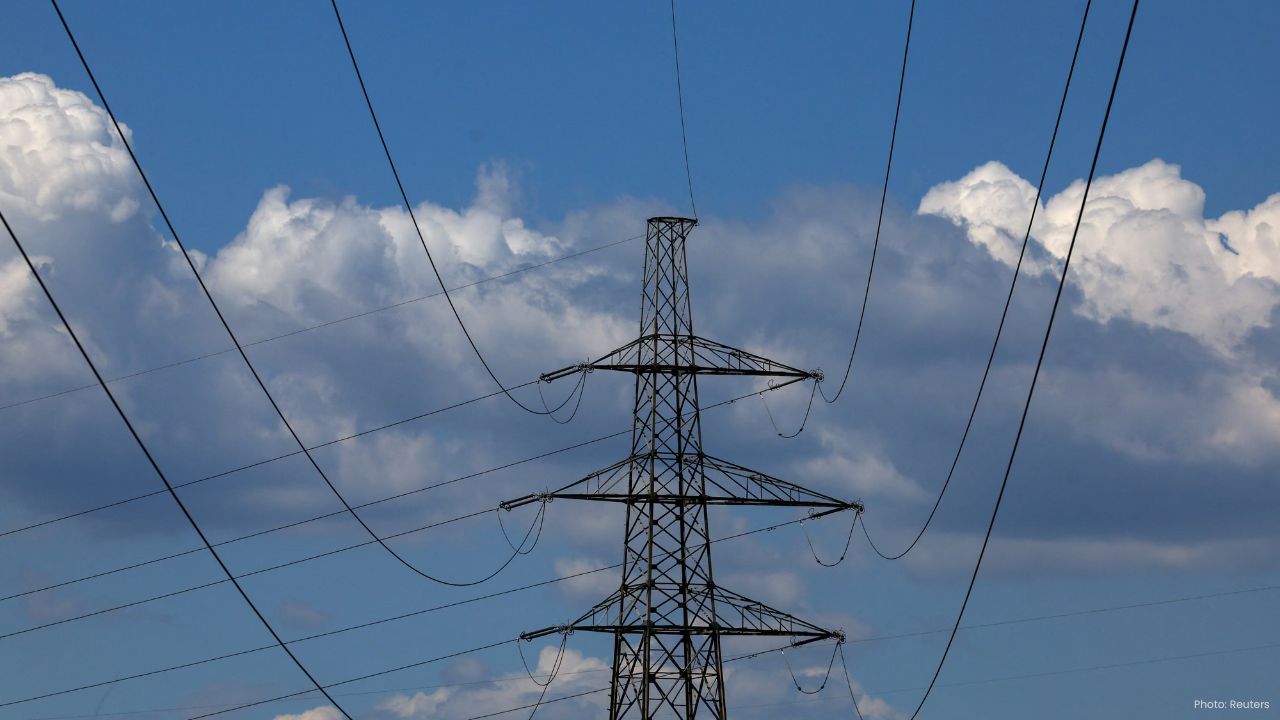
Fortis Alberta, the regional electricity provider, reported that crews were working through the evening to restore power in affected areas. Multiple communities in southern Alberta experienced electricity outages due to downed power lines and damaged electrical infrastructure.
The utility company confirmed that its teams were prioritizing areas with the most significant damage first and advised residents to remain patient while repairs were ongoing. Officials also urged residents to report any fallen power lines immediately and to stay clear of damaged electrical equipment to avoid accidents.
Storm Travel and Unusual Strength
The storm traveled over 500 kilometres across Alberta and into Saskatchewan, according to freelance climate journalist Kyle Brittain. He explained that the storm began around 2:30 p.m. in the foothills west of High River, Alberta, and by 9 p.m., it had reached well into Saskatchewan, south of Saskatoon.
“Thunderstorms of this distance are caused by unstable air combined with strong winds,” Brittain said. “While long-travelling storms are not unheard of on the Prairies, the speed and reach of this storm were unusual. It covered a massive area in just a few hours, which is rare for this region.”
Brittain also noted that the storm’s combination of large hail, strong winds, and heavy rainfall contributed to its intensity and the level of damage observed along its path.
Structural Damage and High Winds
The storm uprooted numerous trees and caused damage to high-voltage transmission towers along the Highway 36 corridor near Highway 1. Brittain explained that transmission towers usually only buckle or collapse under extreme conditions, such as heavy snow or ice during a blizzard. In this case, however, winds exceeding 110 km/h caused the towers to crumple.
“The winds were incredibly intense to buckle or shear these towers,” Brittain said, emphasizing the destructive power of the storm. Several trees were also uprooted or snapped in half, creating additional hazards on roads and properties. Vehicles parked outside were damaged by flying debris, hail, and falling branches.
The storm’s high winds and large hailstones created dangerous conditions for drivers and pedestrians alike. Authorities reported that some vehicles were disabled on the roads, and power outages left homes and businesses in complete darkness.
Continuing Risks in Saskatchewan
As the storm moved east into Saskatchewan, meteorologists warned that communities in the province still faced risks from damaging winds, heavy rainfall, and large hail. Residents were urged to stay indoors, secure loose objects, and follow official safety advice to avoid injuries or property damage.
Authorities reminded people not to underestimate the storm’s power, as severe weather can cause unexpected hazards such as flash flooding, falling trees, and flying debris. Emergency services continued to monitor the storm’s progress and were prepared to respond to new incidents as the weather system moved through the region.
Road Safety and Public Advisory
RCMP and local authorities continued to warn motorists to avoid traveling on roads affected by the storm. Highway closures and road debris made driving extremely hazardous, and residents were advised to check official road condition services before attempting any travel.
Emergency crews worked throughout the evening to clear debris, repair damaged power lines, and assist residents stranded by blocked roads. Authorities emphasized that residents should stay indoors until the storm fully passes and should not attempt to drive through flooded or blocked areas.
Damage and Disruption
Wednesday’s severe thunderstorm caused widespread disruption across southeastern Alberta, including:
-
Downed power lines are leaving homes and businesses without electricity.
-
Damaged vehicles and blocked roads are making travel unsafe.
-
High winds exceeding 110 km/h are damaging transmission towers and uprooting trees.
-
Large hail and heavy rain are impacting multiple counties.
-
Continuing risk for communities in Saskatchewan as the storm moved eastward.
Authorities and meteorologists urged residents to remain alert and follow safety recommendations. The storm serves as a reminder of how quickly weather conditions can become dangerous and the importance of preparedness during severe weather events. Experts also highlighted the rarity of a storm of this magnitude and speed in the Prairie region, marking it as a notable weather event in Alberta’s recent history.