Photo:AP
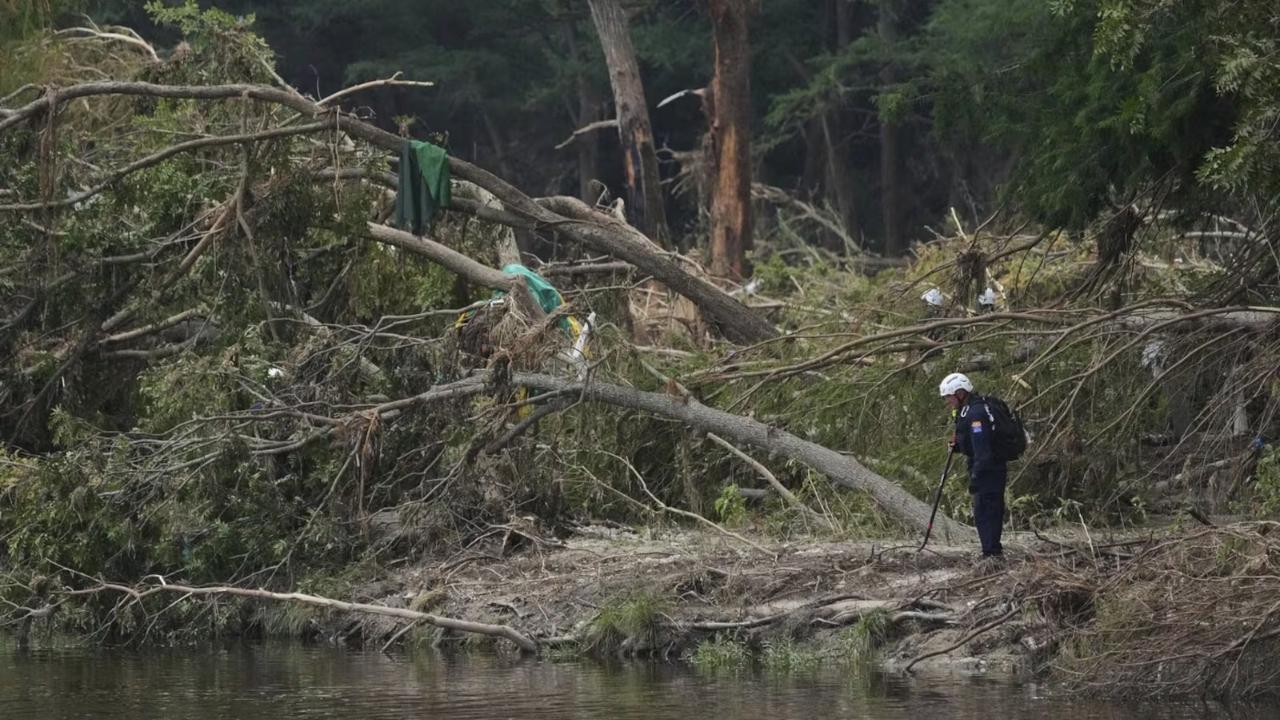
Renewed Heavy Rain Forces Search Evacuation As dawn broke on Sunday, July 13, renewed heavy rain began battering central Texas, prompting authorities to temporarily pause search and rescue operations along the Guadalupe River near Kerrville. What began on July 4 as flash flooding evolved into a weeklong tragedy, but now the resurgence of storm activity has posed dire new risks, forcing crews to retreat from the river corridor before 8 a.m. local time. Ongoing flash flood warnings highlighted the urgent need to protect responders and civilians from potentially deadly surgewaters.
Catastrophic Flooding Overview Earlier this month, torrential rains—up to 20 inches in some areas—triggered rapid river rises, submerging homes, RV parks, and campsites, and claiming at least 120 lives, including 27 at Camp Mystic. Hundreds more remain missing—approximately 160 in Kerr County alone, and over 170 statewide—making this one of the most deadly flash flood events in modern U.S. history.
Search Suspension and Evacuation Orders Citing a high likelihood of rapid river escalation, the Ingram Fire Department and Kerrville Police ordered all ground search parties to evacuate. They warned that the Guadalupe River could rise nearly 5 feet above flood stage—threatening bridges like Highway 39 and low-lying subdivisions. Additional flash flood alerts extended into San Saba and Lampasas counties, triggering evacuations and dozens of water rescues elsewhere.
Broad Mobilization of Rescue Teams Weeks of coordinated rescue efforts involved more than 2,100 first responders—including local, state, and federal teams—using boats, helicopters, airboats, horseback units, drones, and cadaver detection dogs to comb devastated terrain. Specialized forensic units have also been dispatched to handle identification of remains recovered in advanced states of decomposition, a reality of the intense river currents and high temperatures.
Volunteer Heroes and Community Resilience Community-driven crews like Brad Friedrichs’ Wrecker Service used heavy equipment to recover vehicles and human remains in Black Oak RV Park—providing closure to grieving families despite physical and emotional tolls. Survivors like Jonathan McComb and Leo Romero Jr., who lost loved ones in past and recent floods, returned to aid ongoing search missions—motivated by survivor guilt and empathy toward affected families.
Emotional and Psychological Toll Search crews and volunteers have faced harrowing conditions, exposed to debris, harsh weather, and frequent emotional trauma. Mental scars remain, with responders receiving counseling and support as they continue sorting through devastated landscapes laden with personal effects and remains. Families of the missing describe sleepless nights, agonizing waits, and lingering uncertainty about the fate of their loved ones.
Authorities Urge Public Cooperation Officials emphasized the importance of avoiding remote and flood-prone areas. They urged property owners to pause debris clearing until thorough inspection, notified residents via door-to-door outreach and reverse-911 alerts, and emphasized compliance with evacuation orders—especially after Kerrville faced criticism for initial low preparedness. The rising river levels also placed new stress on overwhelmed emergency systems, further justifying the search pause.
Climate & Regional Flood Patterns Experts noted that central Texas lies within “Flash Flood Alley,” where orographic lift and Gulf moisture frequently cause rapid river surges. Climate change has intensified this pattern—rainfall intensity has increased 6–19 percent in recent decades, making such floods more frequent and severe. With warming temperatures and denser development, flash floods now carry greater momentum and arrive with shorter notice.
Ongoing and Future Risks National Weather Service forecasts warned of continued heavy showers into Monday, which could delay search efforts further and potentially trigger flash flooding in new areas. The threat also extends to citizens—drivers, campers, and hikers—who may be caught unaware by sudden water rises. Local officials have advised staying indoors and off all waterways for at least 48 hours.
Government Oversight and Reform Demands Pressure is mounting on Texas legislators to investigate emergency alert systems, including the use of CodeRED and flood warnings issued prior to July 4. Governor Greg Abbott has promised full review and resource mobilization. Federal agencies like FEMA and the Texas Division of Emergency Management are establishing recovery centers in Kerrville and exploring financial aid and inter-agency collaboration. Public hearings may soon be held to assess how early warnings were missed or delayed.
Moving Forward: Resilience and Preparedness As rain subsides, search crews aim to reconvene Monday, leveraging safer river conditions, updated weather models, and reinforced protocols. Officials warn survivors and the public that emotional recovery and debris cleanup will span months, with ongoing identification efforts, PTSD counseling, infrastructure repair, and climate adaptation initiatives. Families of the missing are being connected to grief counselors and legal aid to assist in accessing benefits and processing losses.
Impact on Rural Infrastructure and Power Grids Beyond the human tragedy, floods washed out roads, collapsed bridges, and overwhelmed stormwater infrastructure in Kerr, Comal, and Llano counties. Thousands were left without electricity, and many remain cut off due to landslides and submerged access roads. The Army Corps of Engineers has deployed temporary bridges while local utilities work around the clock to restore services.
Nonprofit and Faith-Based Aid Networks Organizations like the Red Cross, Samaritan’s Purse, and local churches are distributing food, water, and temporary shelter kits. Volunteers are also providing mobile medical services to assist elderly and at-risk populations unable to reach clinics. Community kitchens have formed at fairgrounds and school cafeterias, with thousands of meals served daily.
School Disruptions and Student Support Dozens of schools have closed or shifted to virtual learning due to facility damage or unsafe travel routes. The Texas Education Agency is coordinating efforts to deploy mobile classrooms and supply school districts with emergency resources, including laptops and broadband hubs. Teachers are receiving trauma-informed care training to support returning students.
Insurance Claims and Recovery Timelines Insurance providers estimate losses in the hundreds of millions. Homeowners and RV residents are being encouraged to file claims early, though many complain of delays due to documentation challenges. Local governments are urging insurance reform to accelerate response times in disaster-prone zones.
Faith, Mourning, and Collective Healing Houses of worship across Texas held vigils over the weekend. Candlelight processions honored those lost and missing. Communities turned to faith leaders for spiritual support, as grief counselors set up in local chapels and counseling centers. Messages of solidarity poured in from around the country, with neighboring states offering aid and volunteers.
Conclusion: Balancing Hope and Caution The pause in the Texas flood search effort marks a sobering moment for a community still reeling from tragedy. While postponing on-site recovery is necessary, the broader commitment to finding the missing remains unwavering. As storms threaten to undo progress, local, state, and national agencies must balance hope, caution, and long-term resilience in a changing climate landscape.