The ongoing conflict between Russia and Ukraine shows no signs of resolution. Instead of seeking peace, Russia is gearing up for an extended struggle. This alarm was raised by Ukraine's top military official, who noted that Moscow is swiftly enhancing its drone and weapon production capabilities.
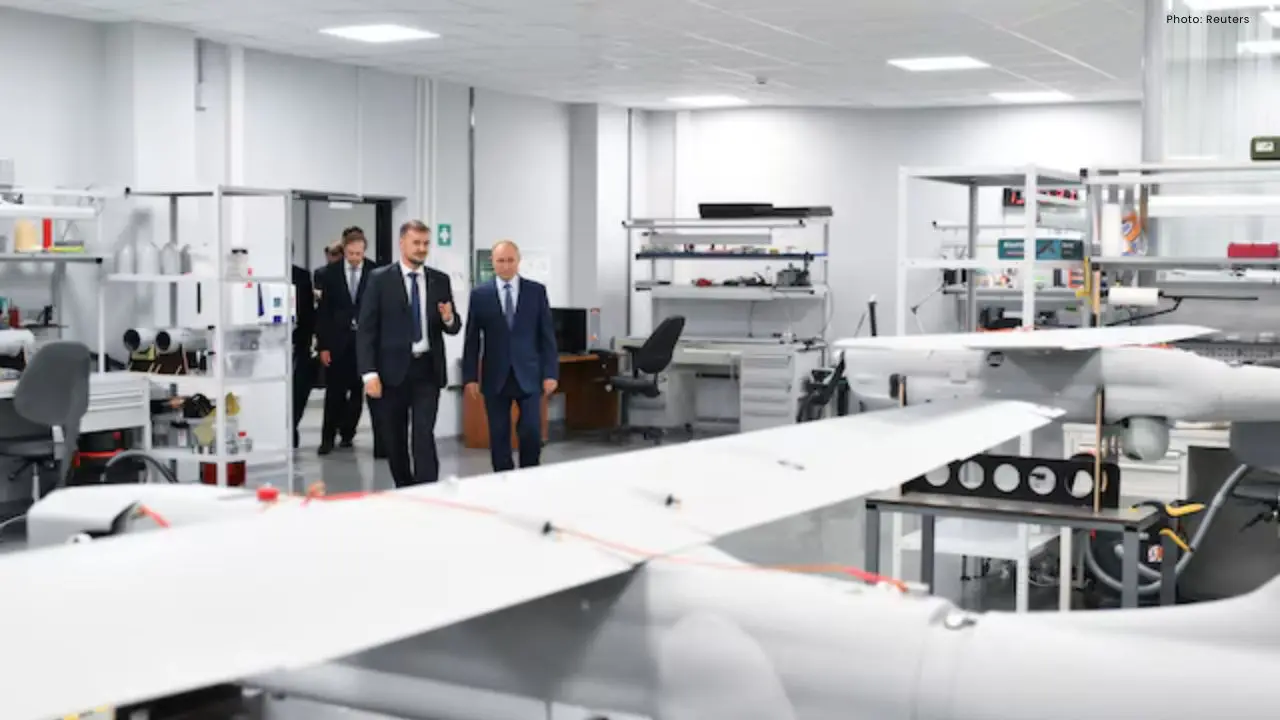
According to General Oleksandr Syrskyi, Ukraine's commander-in-chief, Russia intends to significantly boost its drone manufacturing output. Currently, Russia produces over 400 attack drones daily, primarily of the Shahed variant designed in Iran. Plans are in place to increase this output to approximately 1,000 drones each day.
This escalation is a cause for concern in Ukraine, as drones have become a critical element of Russia's military strategy. Drones are not only more cost-effective than missiles but are also easier to produce in large quantities. They are frequently deployed against urban areas, energy infrastructure, and military installations. The capability to deploy large numbers of drones can saturate air defenses, inflicting considerable damage even if many are intercepted.
General Syrskyi reported that Russia's offensive operations show no signs of waning. Ukrainian forces face intensified fighting at the frontlines, marked by an increase in Russian attack units, alongside a consistent rise in both missile and drone assaults. This situation underscores Russia's unwillingness to engage in sincere peace negotiations.
For Ukraine, a decisive response is essential. The nation must counter Russia's ambitions by targeting pivotal military and industrial installations, making the conflict costly for Moscow. Syrskyi asserted that the possibility of peace talks emerges only when both parties are under pressure, warning that a weak stance can lead to inequitable agreements.
Amidst these challenges, Ukraine has found avenues to enhance its offensive capabilities, employing long-range strikes with drones and missiles that reach deep into Russian territory. Key targets such as oil refineries, fuel depots, and logistical hubs have been hit, with Ukrainian forces damaging over 700 sites at an estimated cost of $15 billion to Russia. These efforts aim to undermine the Russian economy and its capacity to sustain the war.
Simultaneously, Ukraine is rapidly expanding its own drone industry. Since the full-scale invasion by Russia began in February 2022, Ukraine has developed new drones for multiple purposes, including surveillance and defense. Military leaders suggest that interceptor drones represent one of the most effective defenses against Russian drone incursions, as they are both affordable and efficient compared to high-cost air defense missiles.
On the battlefield, tensions persist. Russian forces currently control around 20% of Ukrainian territory and continue to make gradual advances in the eastern regions, capturing small villages following intense combat. While these territorial gains come at a significant cost in both casualties and resources, they enable Russia to maintain pressure on Ukrainian defenses.
Russia enjoys an advantage in troop numbers due to its larger population. However, Syrskyi mentioned improvements in Ukrainian mobilization efforts, with better functioning recruitment centers, enhanced training programs, and improved treatment of soldiers. Many past issues stemmed from poor communication and a lack of respect for mobilized personnel.
In a positive turn, General Syrskyi noted that Ukrainian military casualties in 2025 were approximately 13% lower than the previous year. Conversely, Russian losses have risen, indicating that Ukraine's defensive strategies and drone utilization are making a significant impact.
Despite these trends, the overarching message remains serious. Russia's concerted effort to dramatically boost drone production reflects its preparations for a prolonged conflict. In this war, technology, production capacity, and resilience are becoming increasingly crucial alongside traditional military might.
As the conflict approaches another year, prospects for peace remain elusive. Both sides are currently focused more on enhancing their combat capabilities than on pursuing negotiations.