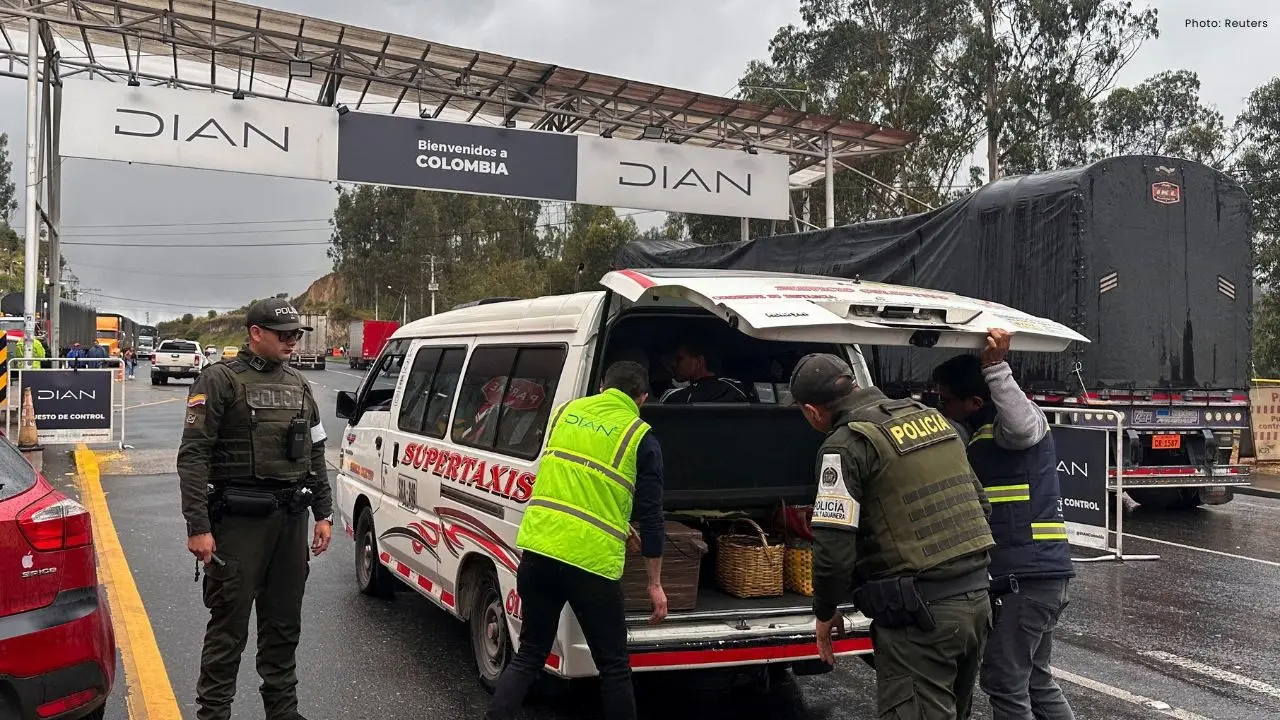
Colombia and Ecuador's bilateral relations took a significant downturn as Colombia decided to halt electricity exports and impose a 30 percent tariff on select Ecuadorian imports. This action directly responds to Ecuador’s introduction of a 30 percent “security charge” on Colombian products, citing concerns over trade imbalances and drug trafficking issues.
This trade conflict ignited when Ecuador's President Daniel Noboa announced that increased tariffs on Colombian imports would begin on February 1. He pointed out a considerable trade deficit with Colombia and accused Bogota of inadequate measures against drug traffickers operating along their shared border. The central bank in Ecuador reported that the trade deficit with Colombia exceeded 838 million dollars in the first ten months of the previous year.
Colombia categorically dismissed these allegations. President Gustavo Petro emphasized that his country has cooperated closely with Ecuador’s military and has confiscated around 200 metric tons of cocaine at the border. He reaffirmed Colombia’s readiness to provide solidarity whenever Ecuador requires assistance, particularly in combating fentanyl trafficking.
In retaliation to Ecuador’s tariff, Colombia’s ministry of commerce announced a 30 percent levy on 20 types of products coming from Ecuador. The ministry characterized this response as proportional, temporary, and subject to review. Moreover, it expressed a willingness to engage in discussions to restore equitable trade relations. However, the specific products subject to the tariff were not disclosed. Ecuador primarily exports fish, vegetable oil, and auto parts to Colombia.
Simultaneously, Colombia’s energy ministry issued a directive suspending all international electricity sales to Ecuador. While the decision raised eyebrows, the ministry clarified it was a preventive measure intended to safeguard Colombia’s internal energy supply against climate-induced threats. They noted that electricity exports could resume once conditions improve technically and commercially.
The electricity exchange is a pivotal aspect of their relationship, with Colombia serving as a vital power provider for Ecuador. Earlier, Ecuador claimed that its new security charge would not influence electricity sales or oil logistics. Nonetheless, Ecuador’s energy minister hinted that Colombian crude transported via the OCP pipeline might face “reciprocity,” although details were not offered.
This ongoing conflict reveals underlying political and security disparities. President Noboa has prioritized the battle against organized crime, as Ecuador grapples with heightened violence—a staggering 30 percent rise in murder rates last year attributed to gang warfare. His administration has enacted several states of emergency and deployed over 10,000 troops to confront criminal organizations.
Noboa’s administration enjoys a close bond with U.S. President Donald Trump, who is encouraging Latin American nations to intensify efforts against drug trafficking. Colombia has similarly faced pressure from Washington in recent years. Despite President Petro refuting claims of Colombia's ineffectiveness in controlling cocaine exports, his government was penalized by the U.S. last year. Relations saw improvement earlier this year after a fruitful conversation between Petro and Trump.
Currently, the standoff between Colombia and Ecuador lacks a clear resolution. Issues regarding trade, energy collaboration, and border security are tightly intertwined in a dispute impacting both nations’ economies. Despite both sides expressing readiness for dialogue, recent developments indicate that tensions may persist unless a negotiated agreement is achieved.