Colombia finds itself at a critical diplomatic crossroads following a heated exchange between President Gustavo Petro and U.S. President Donald Trump regarding the U.S. intervention in Venezuela. This conflict places Colombia, traditionally a strong U.S. ally, in a precarious position as it strives to uphold national sovereignty while maintaining essential relations with the United States.
Following the U.S. capture of Venezuelan President Nicolás Maduro, President Petro voiced significant outrage, condemning the act as a grave infringement on Latin American sovereignty and likening it to some of history's darker periods. His remarks represent some of the most pointed criticisms from any global leader against the Trump administration’s actions.
For many years, Colombia and the U.S. have collaborated closely, focusing primarily on combating drug trafficking, diminishing armed insurgent groups, and furthering rural development. The U.S. has contributed billions in military and economic assistance to Colombia over the last two decades, making this partnership vital for both nations.
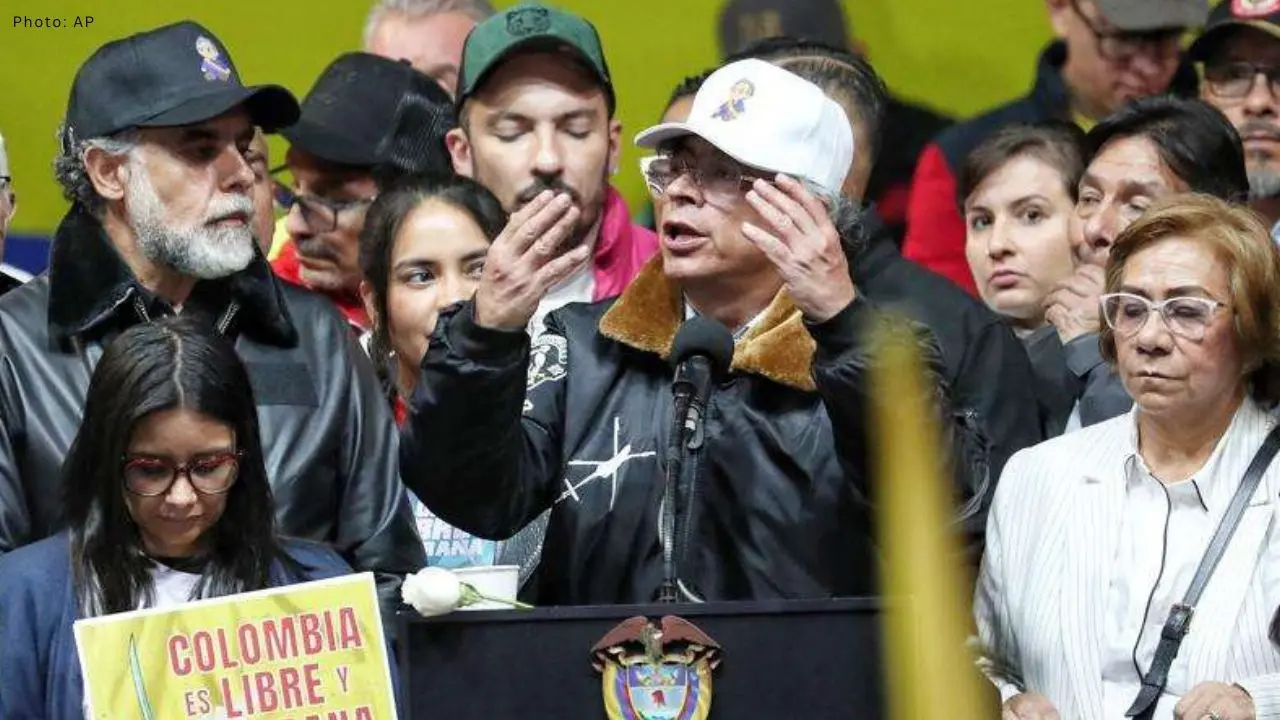
However, tensions escalated when Trump remarked that a potential military operation in Colombia “sounded good,” a statement that unsettled many Colombians. In retaliation, Petro organized nationwide protests to assert Colombia’s sovereignty. Crowds flooded public spaces, vocalizing support for independence and peace.
In a surprising twist, right before addressing the assembly in Bogotá, Petro revealed he had a constructive phone conversation with Trump. He informed his followers that he moderated his rhetoric following their discussion. Petro communicated to Trump his commitment to addressing drug trafficking while advocating for open dialogue between their administrations.
Trump corroborated the call, labeling it an honor and inviting Petro to the White House. This rapid turnaround illustrated how swiftly diplomatic relations can shift when both parties prioritize de-escalation.
Despite the newfound calm, significant risks endure. Colombia relies heavily on U.S. backing to counter drug cartels and insurgents, while Petro aims to build an image as a leader who resists foreign influence. With upcoming elections, his vigorous stance against Trump has garnered increased domestic support.
Recurring conflicts between Trump and Petro have surfaced in the past months, with Petro criticizing U.S. immigration policy, denouncing actions in Gaza, and opposing military initiatives in the region. Trump's responses have included severe personal attacks, sanctions, visa restrictions, and threats to reduce aid and implement tariffs.
This contentious dynamic has raised alarms among Colombian officials. While Petro publicly champions sovereignty, other government figures have quietly reassured U.S. security agencies that cooperation on drug enforcement will persist. Defense and foreign affairs representatives have highlighted the importance of talks and avoiding heightened tensions.
Experts suggest that a U.S. military action against Colombia seems improbable, given its democratic structure and robust institutions. Nonetheless, Trump’s combative rhetoric has sparked apprehensions and compelled Colombia to brace for worst-case scenarios while still advocating for diplomacy.
Ultimately, Colombia is maintaining a delicate balance. Petro seeks to uphold national honor and shape his political narrative, but the nation cannot risk alienating its leading security ally. The recent dialogue between Petro and Trump alleviated immediate tensions, yet this incident underlines the fragility of their relationship.
As Petro mentioned to his supporters following his conversation with Trump, peace hinges on dialogue. Presently, Colombia may feel a sense of relief, but the challenges of balancing principles, politics, and partnership remain ongoing.