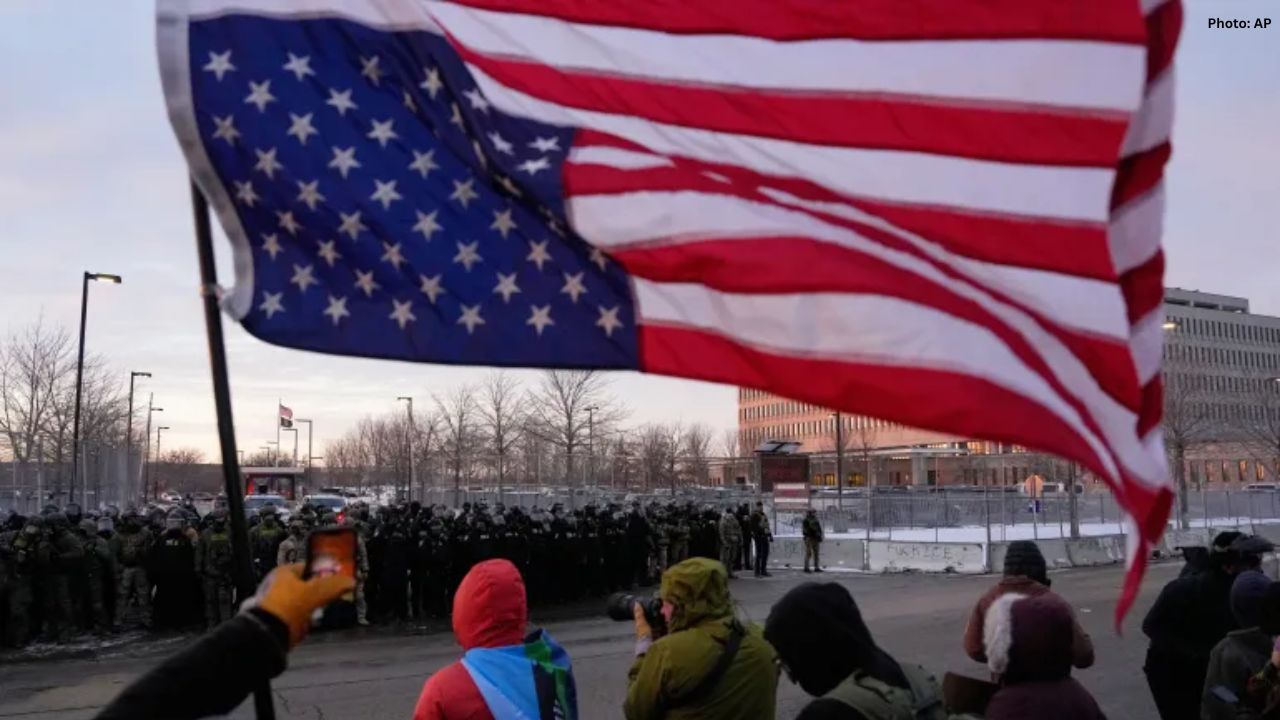
The Pentagon has ordered about 1,500 active-duty U.S.soldiers to be ready for a potential deployment to Minnesota, where large protests continue over federal immigration enforcement actions in the Twin Cities, according to U.S. officials.
Two battalions from the Army’s 11th Airborne Division, based in Alaska and trained for operations in cold conditions, have been given prepare-to-deploy orders to go to Minneapolis and St. Paul if called upon, U.S. media and defence sources reported.
The troop readiness order comes amid weeks of demonstrations against federal agency actions, particularly after the shooting death of 37-year-old Renee Nicole Good, a Minnesota resident, during an Immigration and Customs Enforcement (ICE) operation. Thousands of federal immigration agents, including ICE and Border Patrol officers, are already deployed in the region, and clashes between protesters and officers have continued despite freezing winter conditions.
Although the soldiers have not been ordered to move immediately, officials said that readiness orders are a precaution in case violence escalates or local authorities request additional support. The possible use of military units for domestic operations is politically sensitive, and active-duty troops can only be used for law enforcement missions if certain legal conditions, such as an invocation of the Insurrection Act of 1807, are met — a measure rarely used.
Local leaders in Minnesota have expressed concern about the federal government’s increased force presence. Critics argue that deploying military units could further inflame tensions, while supporters of federal action say it is intended to help restore order amid continuing protests and confrontations related to immigration policy and enforcement tactics.
The situation remains volatile, with both civilian protests and federal enforcement operations ongoing in Minneapolis and St. Paul, drawing national attention to debates over federal authority, civil liberties and law enforcement responses to civil unrest