The New South Wales Parliament has passed sweeping new counter-terrorism and gun control laws following an emergency sitting that stretched into the early hours of the morning. The Terrorism and Other Legislation Amendment Bill cleared the upper house by 18 votes to eight before being approved by the lower house with bipartisan support.
Premier Chris Minns said the legislation reflects a fundamental shift in the state’s security approach after the deadly December 14 shooting at a Jewish community gathering, where 15 people were killed and dozens injured. He acknowledged the measures would be controversial but insisted public safety must come first.
According to Minns, the attack marked a turning point for Sydney and the wider state, prompting what he described as the toughest firearm laws ever introduced in Australia. Under the reforms, individual gun licences will be capped at four firearms, while farmers will be allowed to own up to 10. Membership of a recognised gun club will now be mandatory for all firearms licence holders.
The legislation also grants police expanded authority to impose restrictions on public protests for up to three months following a declared terrorist incident. In addition, the public display of flags or symbols linked to banned organisations has been criminalised, with penalties including jail terms of up to two years or fines of up to A$22,000.
While the ruling Labor government and the opposition Liberal Party backed the bill, the National Party voted against key gun provisions, arguing the ownership limits would unfairly impact farmers and rural communities.
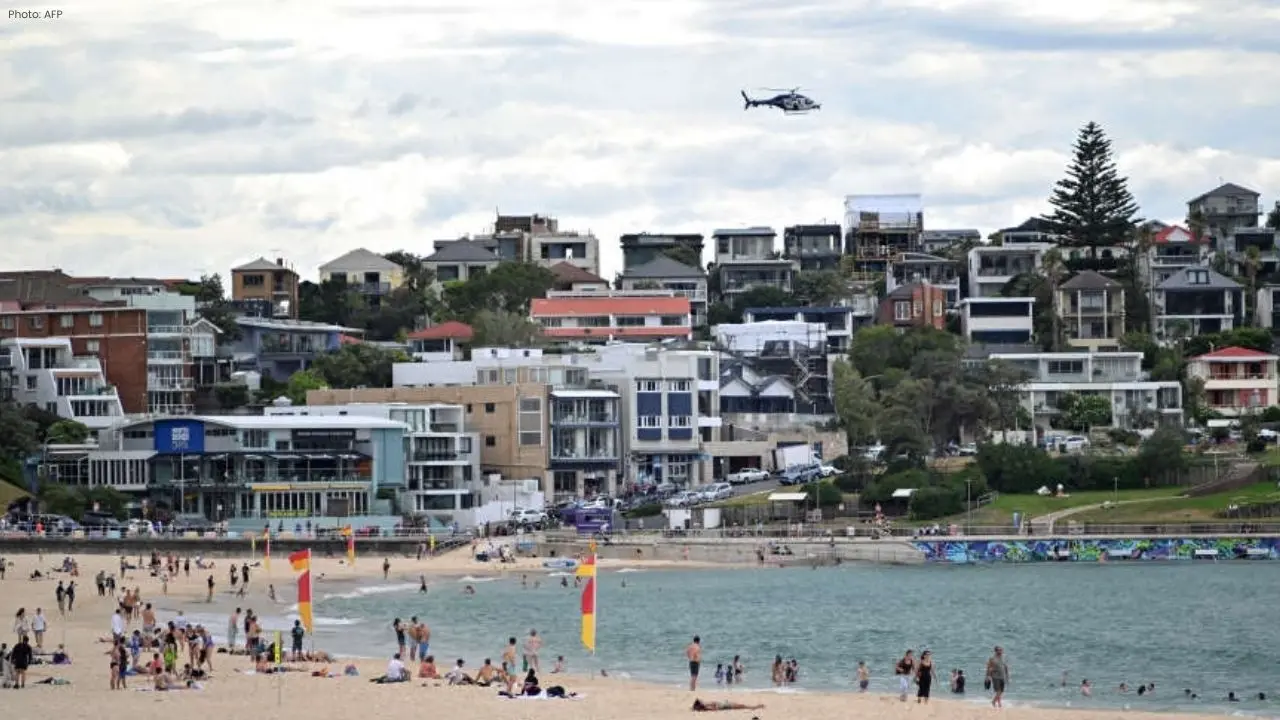
The Bondi Beach shooting, the deadliest mass attack in Australia in nearly 30 years, intensified national debate around gun control and rising antisemitism. Police say the alleged attacker, Sajid Akram, 50, was killed at the scene, while his 24-year-old son, Naveed, has been charged with 59 offences, including murder and terrorism.
Civil rights and activist groups have strongly criticised the new laws and announced plans to challenge them in court. Several organisations accused the state government of using the tragedy to push through measures that restrict protest rights and suppress political dissent.
At the federal level, Prime Minister Anthony Albanese has pledged tougher action against hate speech, including proposed laws to strengthen prosecutions and allow visa cancellations for individuals promoting hatred or violence. He has also raised the possibility of a national gun buyback scheme.
Amid growing concerns over antisemitism, Albanese confirmed he has spoken with Israeli President Isaac Herzog and extended an invitation for an official visit to Australia, signalling closer diplomatic engagement alongside domestic reforms.